

The cost of electricity versus gas needs to improve
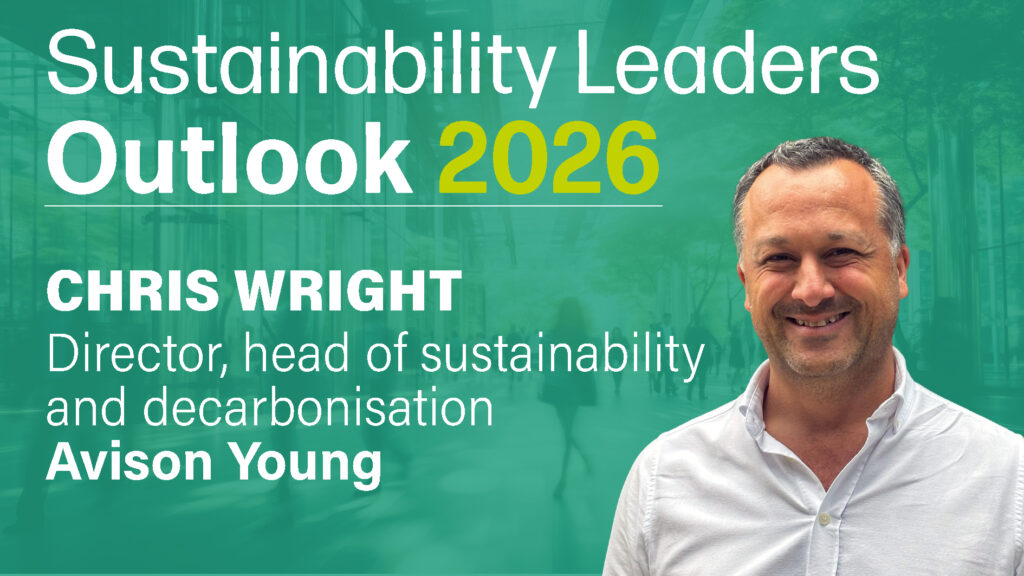
How do you assess the real estate sector’s progress on sustainability in 2026?
As an eternal optimist, I look at how we enter 2026 with a real sense of excitement of what can be achieved this year. The continued progress around grid reform will help unlock the infrastructure needed to not only provide the power we need to support our 2030 clean energy action plan, but also the additional energy capacity needed to enable the built environment to decarbonise and move from gas to electric.
We will also see the launch of the eagerly anticipated UK Net Carbon Buildings Standard. In the absence of any government legislation, this will provide the necessary framework, guidance and consistency to support new build and retrofit projects in reducing embodied carbon and energy, and their increased use of renewables.
Finally, with less than five years to go until the 2030 MEES target to achieve and EPC B, I expect to see an increased uptake and awareness for asset owners to turn the dial and improve the energy efficiency of buildings while also transitioning them from gas to electric.
‘Until the cost of electricity versus gas is improved, there are many projects that won’t get beyond a business case.’
Chris Wright, Avison Young
What would you say is the biggest issue facing the sector when it comes to sustainability – is it decarbonisation, regulation, certifications, technological innovation, including AI, or something else?
For me there are two issues: the current lack of energy capacity, although from my point above there is some great work being done to resolve this; and the ‘spark gap’. The lack of current capacity has been well documented, but until the cost of electricity versus gas (the spark gap) is improved, there are many projects that won’t get beyond a business case due to the significant cost of electricity against gas.
What are your specific plans and key priorities for 2026 and what are the main obstacles you see on that path?
Our plans and priorities for this year are to continue supporting our clients across some key areas as follows:
- Understanding the future electric demand they need to decarbonise their estates, and procuring additional power to achieve this;
- Unlocking renewables so we can accelerate the deployment of solar PV;
- Delivering EPC improvement plans that bring clarity to the costs and interventions needed to get an asset to EPC B for 2030;
- Developing and delivering strategies to reduce energy consumption.
All of these activities will have a significant impact in helping our clients turn ambition into action and deliver the interventions required to decarbonise commercial real estate.
Chris Wright, Avison Young
