

Project focus: using nature-positive actions to fight climate change
Leonie Haakshorst, corporate sustainability manager at Redevco, highlights four projects that incorporate biodiversity.
Biodiversity is our strongest natural defence against climate change – a fact underscored by the United Nations. As sustainability manager, I believe it is crucial that our industry recognises the intrinsic value of nature and biodiversity.
At Redevco, we have started to embed these elements into our real estate strategies. This is not only key to achieving our net-zero ambitions, but fundamental to safeguarding asset value, reducing climate risk, and supporting the well-being of communities.
We’re working on a more structured approach to executing and tracking the results of our activities to enhance natural value across our assets under management (AUM) and development projects. Reducing soil sealing and expanding areas dedicated to biodiversity – which in turn promotes species diversity – are central to this plan.
These measures are not just add-ons; they are integral to how we manage and develop our assets.
Throughout 2024, we laid the groundwork for robust data collection on green areas, water intensity and waste management across our AUM. This will feed into our sustainability tracking tool, Deepki, allowing us to build a comprehensive inventory and monitor our biodiversity initiatives effectively. This insight will help us continuously increase our impact over time.
Our latest Responsible Investment Report highlights four case studies that illustrate the practical steps we are taking to foster biodiversity within our portfolio. This reflects our dedication to integrating nature-positive actions into every level of our asset management work.
Promenade Sainte-Catherine, Bordeaux
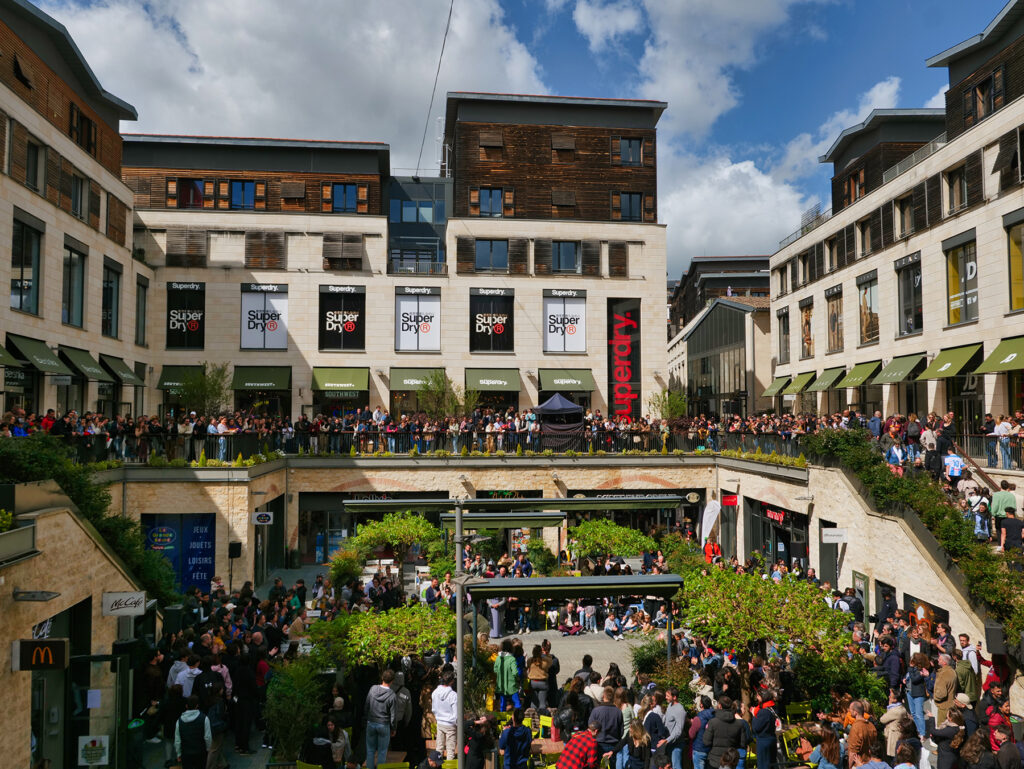
In 2024, a series of social and environmental initiatives were organised at the Promenade Sainte-Catherine, including:
1. Promenade dans le Parc, a three-day transformation of the asset into a giant garden to educate on the topic of biodiversity. Grass, shrubs and flowers were installed and distributed to visitors for their own gardens at the end of the event. The event featured workshops on aromatic herbs and indoor plants, roundtables on eco-responsible projects and a farmers’ market promoting local produce. The event attracted over 56,000 visitors, increasing footfall by 23%.
2. Its fourth annual Ocean Days event, focusing on protection of the seas, included open-air concerts, films, roundtables and workshops.
3. A specialised consultancy carried out a waste audit to ensure the asset is compliant with new French regulations, and highlighted areas for improvement. The results were positive. Waste sorting is carried out correctly: residual waste represents 46%, and cardboard 40% of total waste. The asset fulfils the obligation to sort waste at source and the seven-streams waste decree.
4. Water-retention tanks were installed to collect rainwater. This will be used to water the new green areas, plants and vegetable garden. The centre’s rating improved from an initial score of 51 in 2020 to 87 in 2024.
Promenade Sainte-Catherine achieved a four-star and green-star rating in the GRESB certification, signifying exemplary ESG performance.
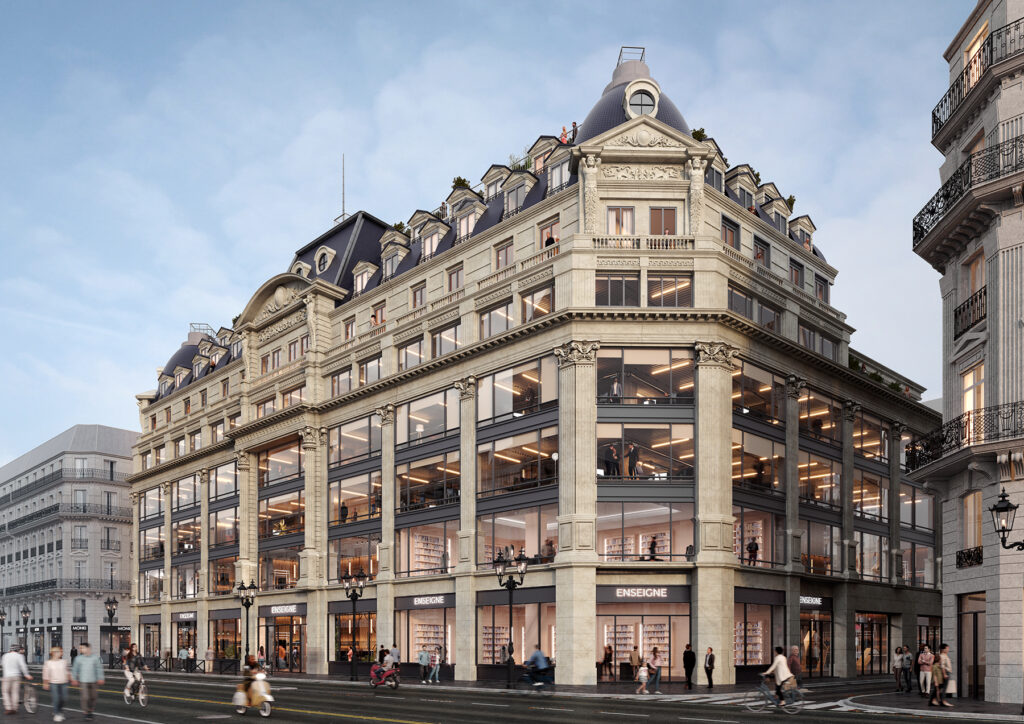
BPM Paris: Green rooftop, open to the public
The Radisson Collection will be on the fifth to eighth floors of 126 Rue de Rivoli, Paris. It will feature a spectacular green rooftop that will be open to the public.
The BPM (beats per minute) prioritises interaction between activities and areas of the building, which spans eight floors, covering more than 13,000 sq m. Of the 500 sq m of roof, 250 will be designated as a green area. The rooftop will be open to everyone, not just hotel guests, so that the whole community
can benefit.
Due to the building’s architecture, height and prominence, the rooftop – which is set to be the largest in central Paris – will provide a unique, uninterrupted 360-degree view of all the city’s landmarks, including the Eiffel Tower, Montmartre and Notre Dame.
Kuringen retail park, Hasselt: Responsible water consumption
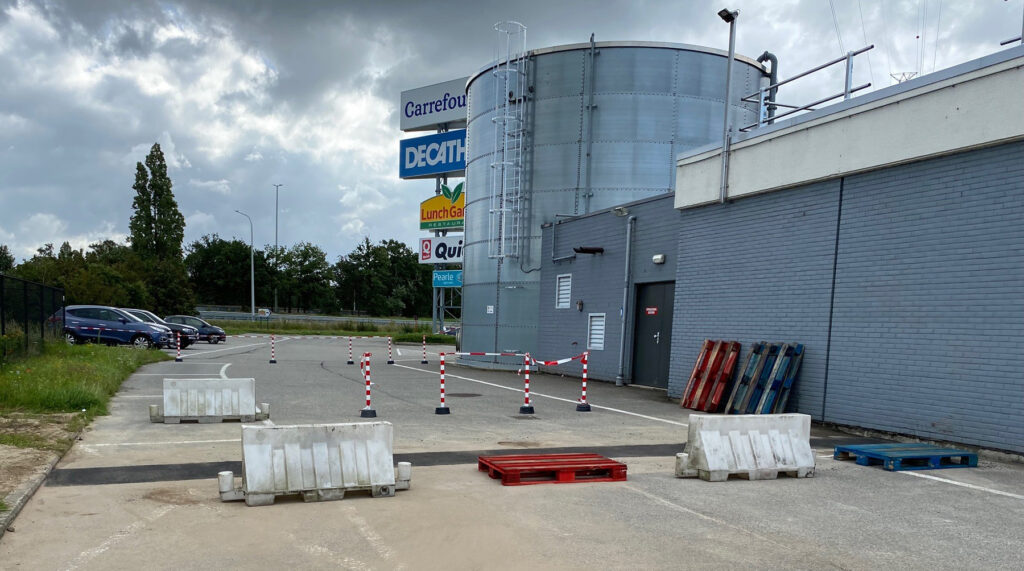
In Belgium, Redevco installed a system to collect water that would otherwise be discharged into the sewer every two weeks during the testing of a store’s sprinkler system. Instead, the collected water is now reused for subsequent sprinkler tests. This significantly reduces the amount of water required for this essential health and safety procedure.
James Street, London: Improving biodiversity and making use of Proptech
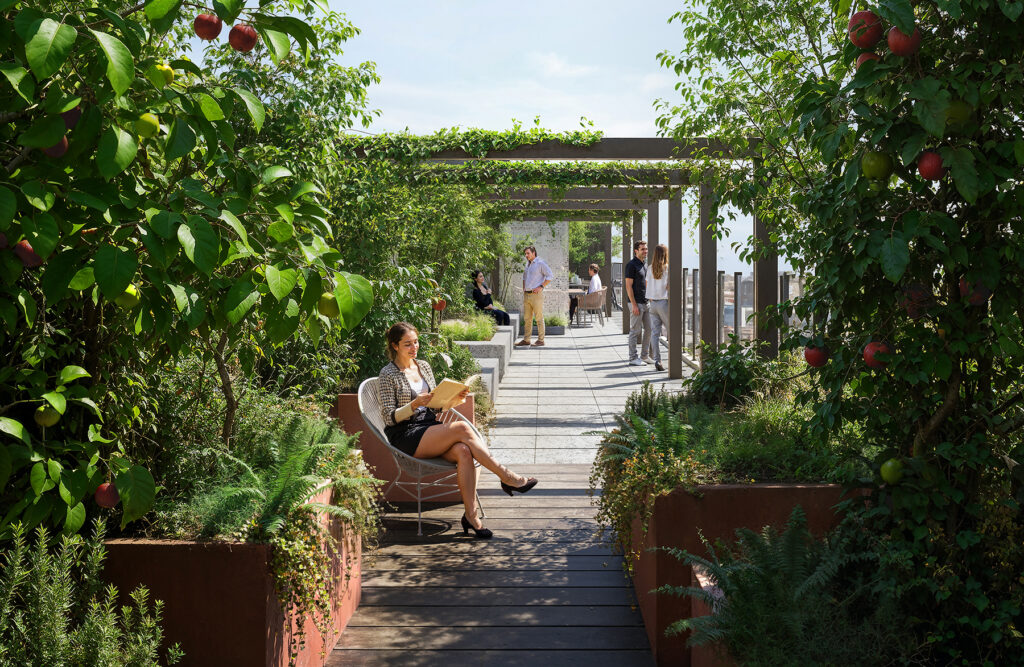
The redevelopment of 1 James Street, on the corner of Oxford Street, addresses several aspects of sustainability. Initiatives include a green roof, which enhances urban biodiversity and provides a natural space for tenants.
As part of the refurbishment, which began in 2024, redundant plants on the roof were removed to make space for the new rooftop garden. With photovoltaic panels and battery storage, the roof will not only contribute to the building’s energy efficiency, but serve as a habitat for plants and animals. Integrating vegetation and natural elements into the design will mitigate urban heat islands, manage stormwater and improve air quality.
The green roof will reduce energy consumption – and tenants’ utility costs – by providing natural insulation. It will enhance the wellbeing of occupants by creating a more pleasant and sustainable urban environment.
Proptech will cut energy use further. Each floor will have a new automatic meter reader, providing detailed data on energy consumption.
