

Celebrating the best in sustainability
The BREEAM Awards celebrate outstanding achievements in sustainable building design, development and management. Here, we highlight three 2025 winners.
BREEAM In-Use Residential Award
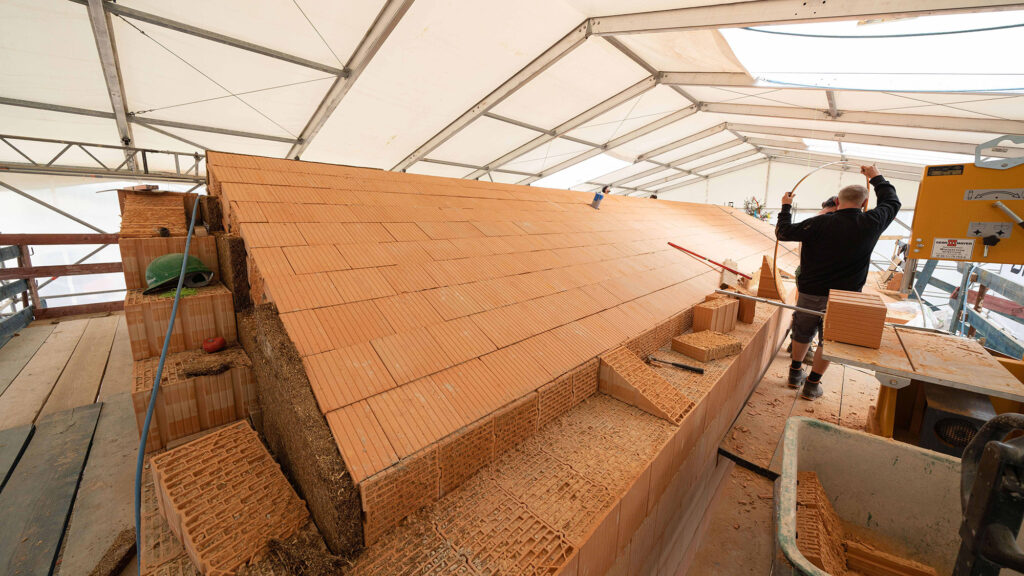
WINNER: ZiHaus, Germany, “the house without heating”
The ZiHaus is a pioneering concept that combines architecture and technology to demonstrate how high levels of comfort, energy autonomy and CO₂ neutrality can be achieved without the use of conventional heating, ventilation or air-conditioning. Designed and built by architect Hans-Günther Schwarz with his two sons, the heating-free house was awarded BREEAM Outstanding in 2024, recognising its exceptional environmental performance.
The building relies on an integrated energy system combining photovoltaic roof tiles, a small wind turbine and a vehicle-to-grid charging solution that uses an electric car battery as an additional storage unit.
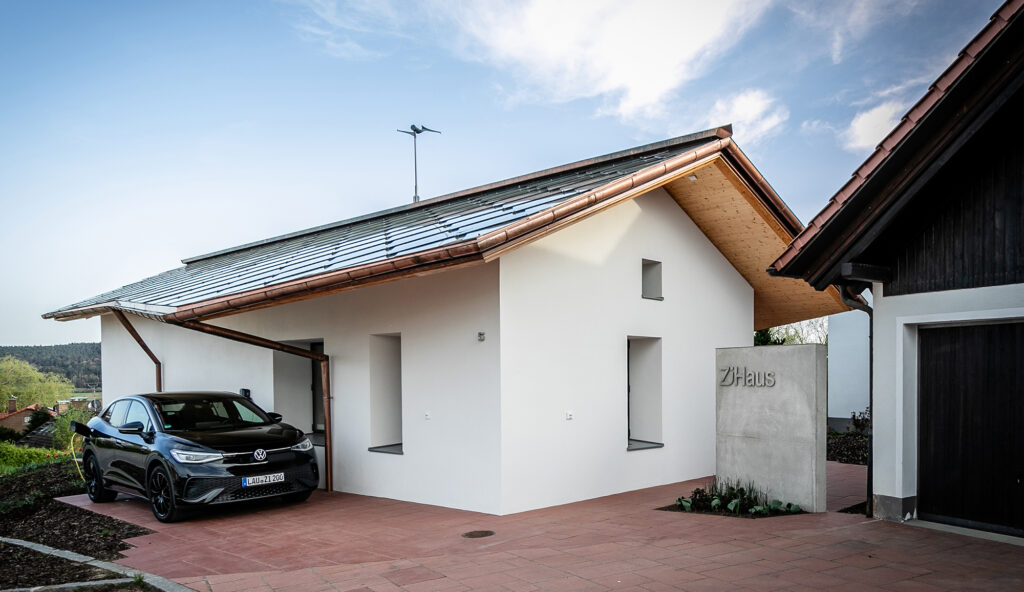
Together, these technologies allow the house to operate independently from conventional energy supply networks for most of the year. Careful attention has been paid to insulation, airtightness and passive solar design to maintain comfortable indoor conditions without active heating or cooling.
Internally, the ZiHaus is arranged as a single, multifunctional open space that serves as a living, conference and sleeping area. This adaptable layout supports multiple uses while minimising resources required for construction and operation.
From this autumn, the building will serve as a research residence, enabling real-life monitoring of energy performance, comfort levels and user experience.
People’s Choice – Residential Award and BREEAM New Construction Residential Award
WINNER: Jonas, Netherlands
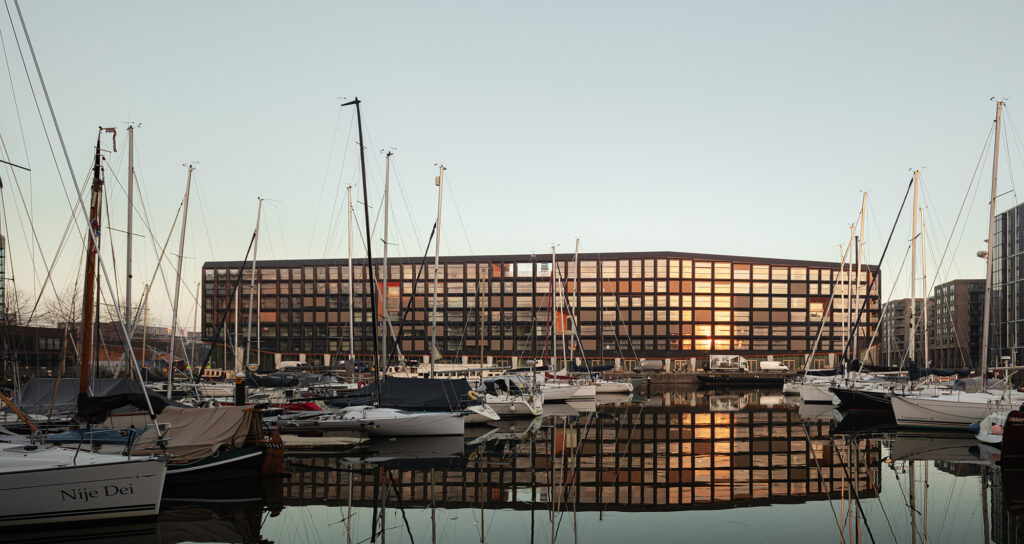
Jonas is an innovative housing concept and spectacular spatial interior that incorporates 190 mid-market rental studios, 83 owner-occupied homes and a range of shared community facilities.
The project is located on the harbour in Amsterdam’s Ijburg neighbourhood. Its design draws on water, quayside and shipbuilding themes that are expressed through its dark, pre-patinated zinc facade, diamond-shaped volume, and gently undulating window openings that appear to float above ground.
Named after the biblical story of Jonah and the whale, the building forms a resilient yet inviting presence. Inside, a continuous route links communal spaces including an atrium, forest patio, rooftop garden, cinema and informal lounge, encouraging encounters and collective activity.
Publicly accessible areas, such as a forecourt pavilion and nearby beach, extend its social role beyond its residents.
The 29,950 sq m development designed by Orange Architects and developed by Amvest has been awarded BREEAM Outstanding certification in recognition of its pioneering combination of mixed-use and residential spaces.
Jonas is fully energy neutral, with extensive solar panels, low-temperature heating connected to the district heating grid, and thermal energy drawn from surface water. Material choices were optimised for low environmental impact, including CSC-certified concrete with recycled granulate and responsibly sourced European Douglas fir wood.
BREEAM Lifecycle Award
WINNER: Warsaw Trade Tower, Poland
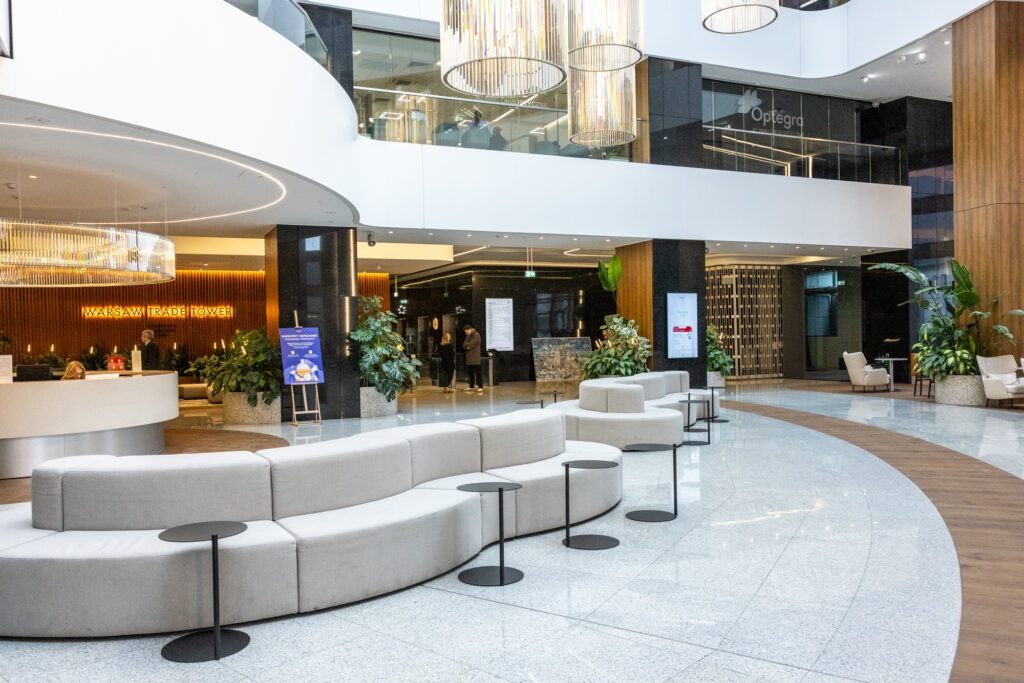
The Warsaw Trade Tower is one of the most recognisable and tallest office buildings in the Polish capital, rising 208 metres over 42 floors. The building has set new benchmarks in sustainable modernisation, proving that existing high-rises can achieve the highest environmental standards.
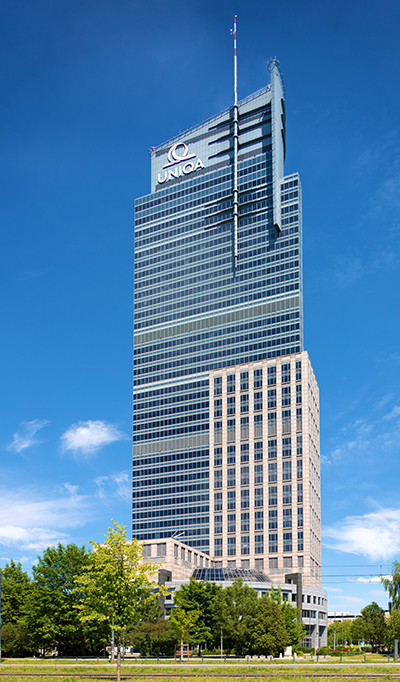
It has a BREEAM In-Use Excellent rating, reflecting a comprehensive approach to sustainability, accessibility and operational efficiency.
BREEAM played a key role in guiding upgrades, providing a structured framework for assessing and improving performance.
Accessibility improvements included measures to ensure ease of movement for all occupants and visitors, supported by inclusive design features and clear wayfinding.
Energy efficiency is maximised through high-performance heating, cooling and ventilation systems, advanced lighting controls and extensive energy metering.
Water-saving fixtures and monitoring systems reduce consumption, while green leases and regular tenant engagement support operational performance.
The building also incorporates biodiversity and well-being measures, including over 1,200 sq m of landscaped green space with trees, perennials and meadows, plentiful rest areas, fresh-air ventilation and high levels of daylight.
With excellent public transport links, facilities for cyclists and electric-vehicle charging, the Warsaw Trade Tower combines its landmark status with a forward-looking, sustainable operational model that ensures long-term resilience.
