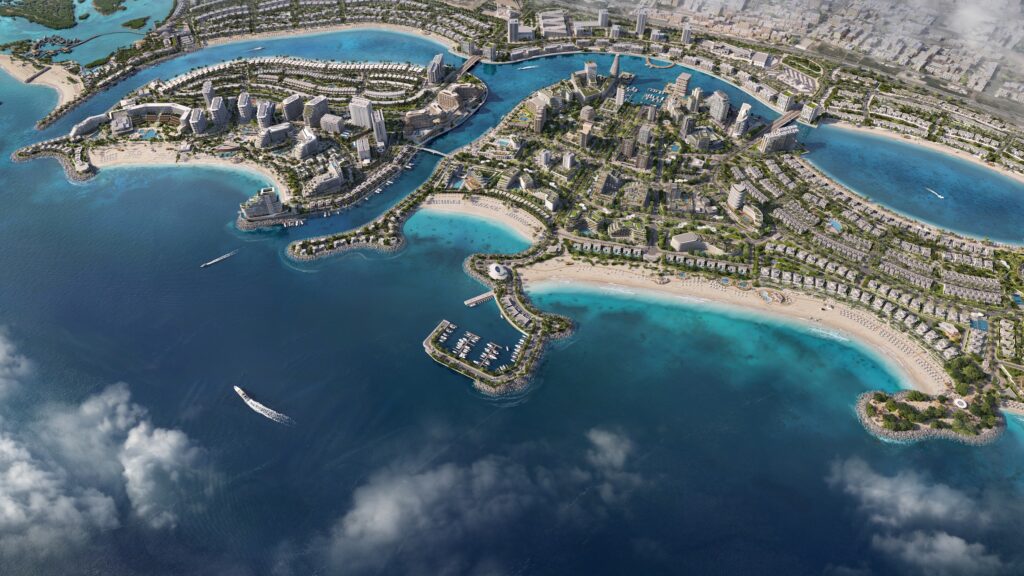
Sustainability is the fil rouge that links 2026 Mipim Awards winners
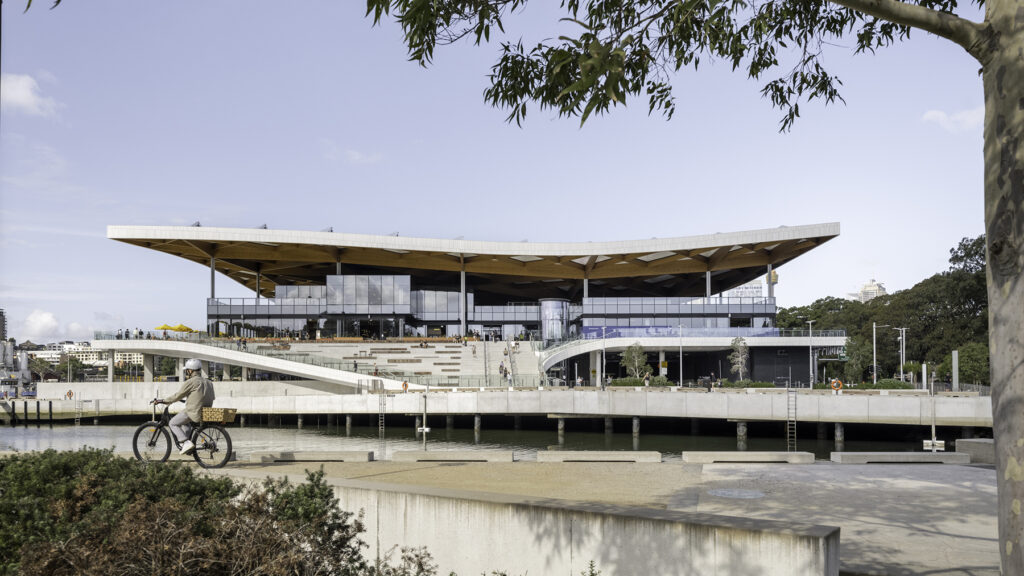
This year’s Mipim Awards featured projects that excel in environmental standards.
From exemplary buildings in real estate’s main asset classes to mixed-use and urban regeneration schemes that rewrite the rule book, the winners of the 2026 Mipim Awards have one thing in common: a commitment to sustainability.
The international real estate fair in Cannes ended with the unveiling of this year’s 11 winners. Created in 1991, the competition celebrates the world’s most useful, sustainable and visionary real estate projects, both completed and still under development, that are shaping the future of cities and communities.
Paris won the most awards: BPM in Rue de Rivoli, by Redevco, received the prize for Best Conversion Project, while La Fondation in Rue Legendre, by Galia, was recognised as the Best Mixed-Use Project. AXA IM Alts’ 25 Avenue Matignon won Best Workplace Experience.
Copenhagen won two awards: Home.Earth Naerheden won the Best Residential Project, while Nordhavn, by CPH City & Port Development, was named Best Urban Regeneration Project.
Bestseller’s Logistics Center West in the Netherlands won the award for Best Industrial & Logistics Project; and Populus, in Denver, US, won recognition as the Best Hospitality, Tourism & Leisure Project.
Hertshten Properties’ 85 Gracechurch Street, in London, won the Best New Development award, while Maraey Rio de Janeiro was named Best New Mega Development.
Projects prioritise transformation
This year’s Special Jury prize, as well as the prize for Best Cultural, Sports & Education Project, was awarded to Sydney Fish Market in Australia.
“We saw a clear shift in how the industry is thinking: projects that prioritise transformation, embed sustainability and circularity from the outset, and place genuine community benefit at their core,” said Véronique Bédague, Mipim Awards jury chairperson. “Many also drew deeply on local identity, proving that development rooted in context can still be bold, contemporary and ambitious.”
The jury focused on projects that seek to enhance the built environment’s prospects, in line with ESG goals. Each submission was evaluated on its environmental performance and integration into its surroundings, the quality of the user experience, economic contribution, originality and architectural qualities.
From consideration of construction and operational carbon, to climate and lifecycle concerns, prizes have been awarded to projects that best serve their end-users and wider communities while making a contribution to the economy.
“All of the projects submitted for this year’s awards demonstrate the industry’s outstanding commitment to developing and reimagining real estate across the world that will have a lasting impact on cities and communities for generations to come,” said Nicolas Boffi, director of Mipim.
“This year’s winners represent new building techniques, the growing practice of adaptive reuse and the power of civic identity when applied to design, all of which serve as impressive examples of where the industry is headed.”
The competition received entries from 19 countries, including China, the US, Canada, Australia, Oman and European nations.
Best Cultural, Sports & Education Project and Special Jury Award
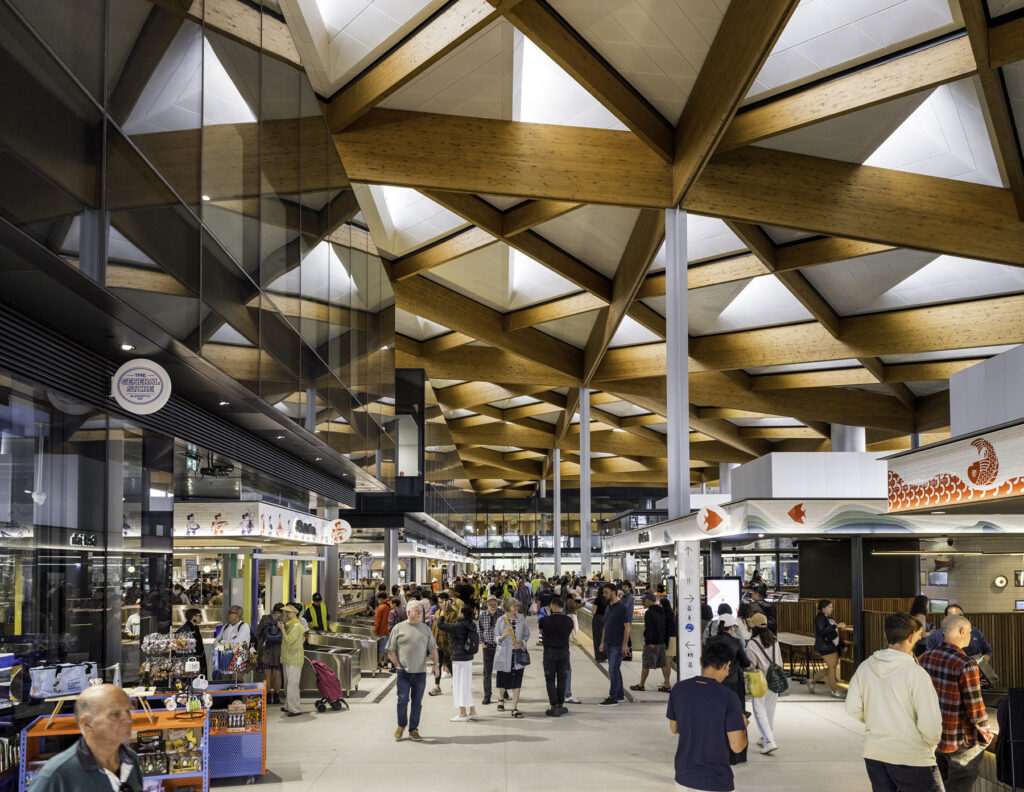
Sydney Fish Market – Sydney, Australia
Architects 3XN GXN (design architect); BVN Architecture (partner architect)
Developer Infrastructure New South Wales
The project is a new world-class culinary destination as well as a functional shopping centre. Inspired by the archetype of a traditional market, its design features a large, suspended roof structure made of wood and aluminium that appears to float above the building.
Best Hospitality, Tourism & Leisure Project
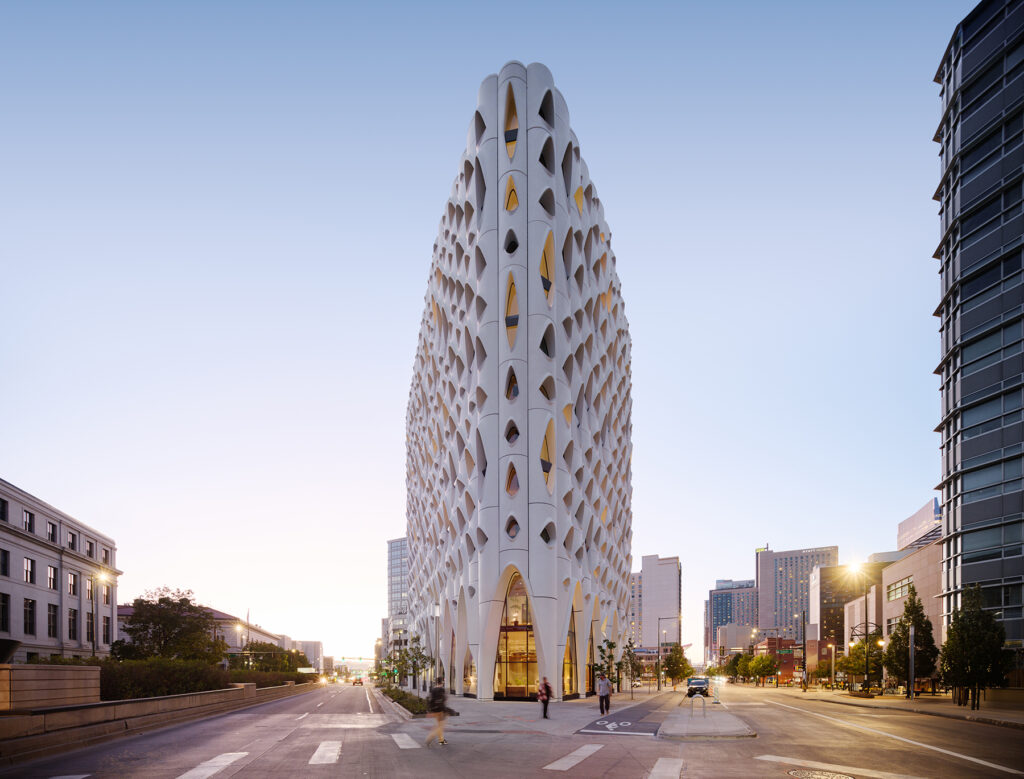
Populus – Denver, US
Designed by Studio Gang for Urban Villages, this eco-conscious hotel has been lauded for its sustainable design, which resembles aspen trees, and for its role as a pioneering ‘green’ hotel, the first carbon-positive hospitality development in the US.
Best Industrial & Logistics Project
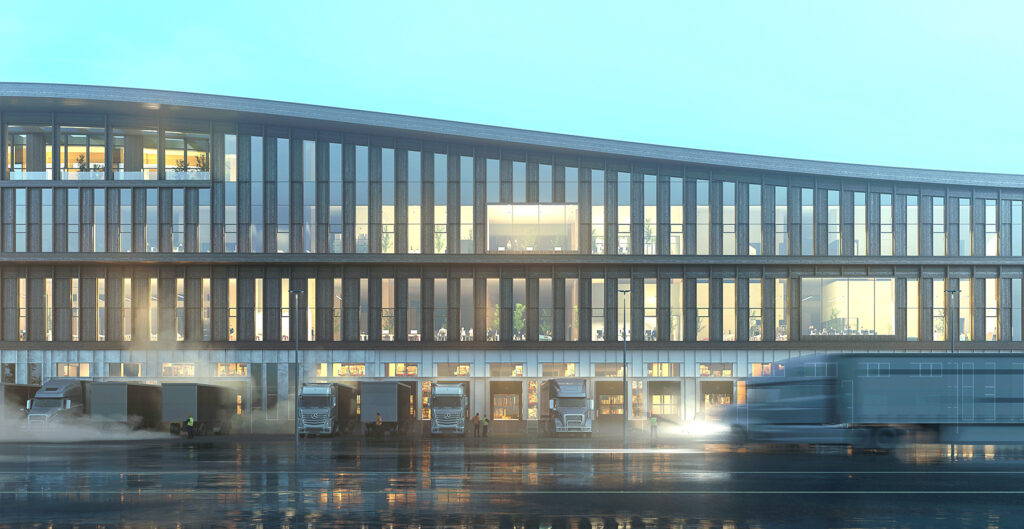
BESTSELLER Logistics Center West Lelystad, The Netherlands
Developer BESTSELLER
Designed by architect Henning Larsen, this will be Europe’s largest timber-built logistics centre (155,000 sq m), focusing on sustainability, biodiversity and circular design.
Best Workplace Experience
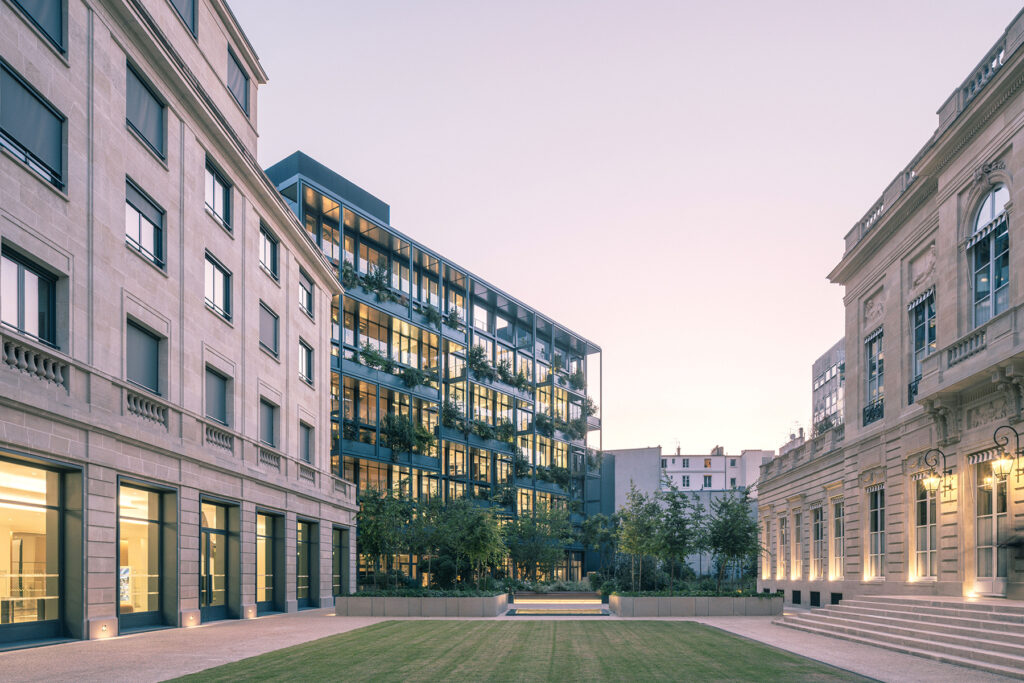
25, Avenue Matignon AXA IM Alts – Paris, France
Developer Sefri Cime
25 Avenue Matignon, designed by PCA-STREAM, was praised by the jury for the transformation of a heritage building into a business campus open to the city.
Best Residential Project
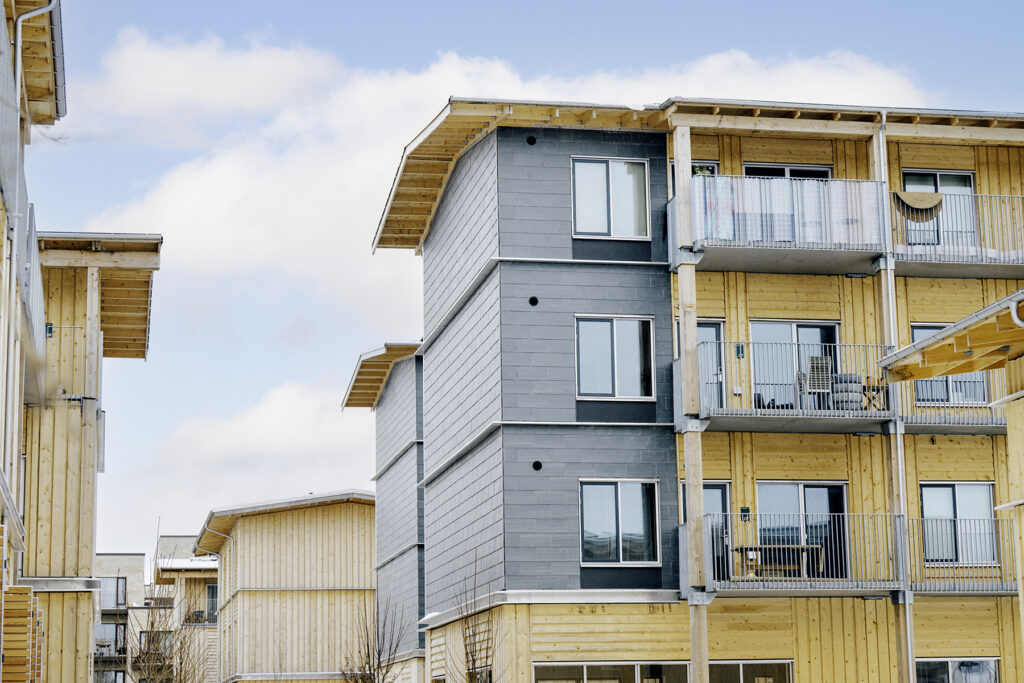
Home.Earth Nærheden, Copenhagen, Denmark
Architects Effekt Architects, Vandkunsten
Developer Home.Earth
The 158-unit development has been recognised for its ultra-low carbon footprint (with more than 60% reduction in total lifetime emissions), for its innovative, sustainable construction; and for its affordability, featuring no-deposit rentals.
Best Conversion Project
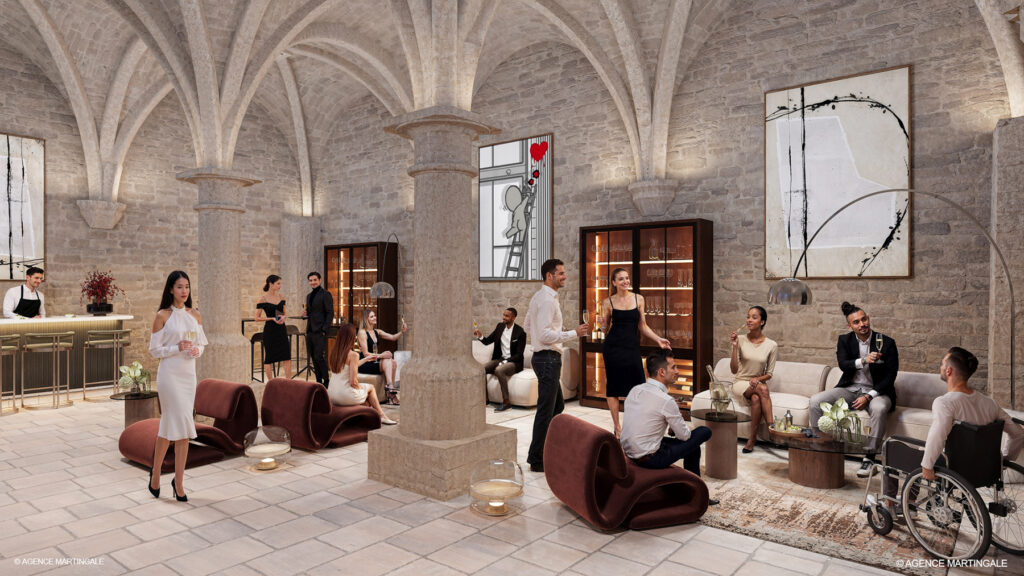
BPM, Paris, France
This project, developed by Redevco and designed by Franklin Azzi, transforms a historic building on the Rue de Rivoli into an innovative mixed-use development combining offices, shops, a hotel and urban logistics. BPM combines architectural innovation, sustainability, mixed uses and social integration in a demanding heritage context, located at 126 Rivoli in the heart of Paris 1.
Best Mixed-Use Project
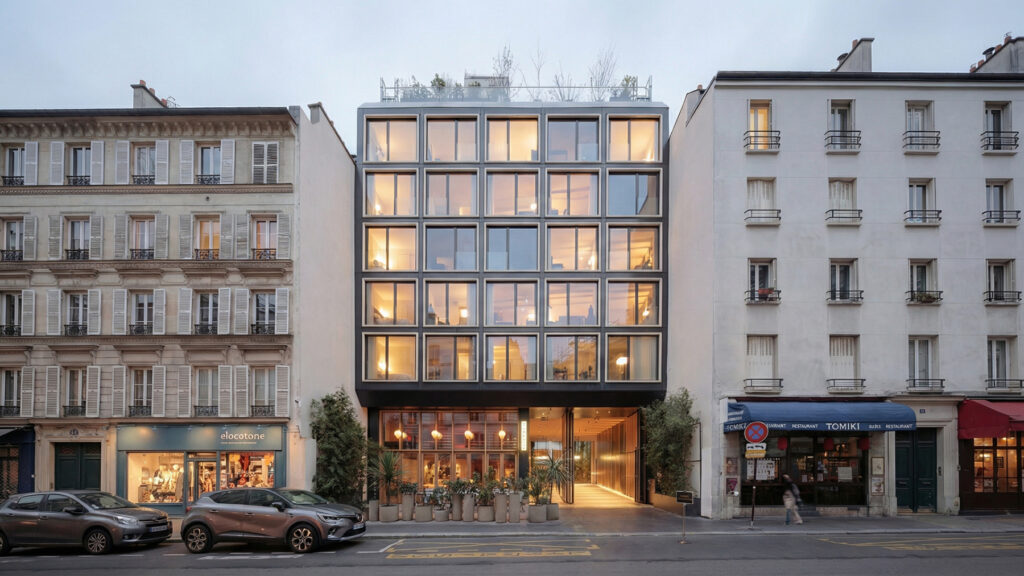
La Fondation, Paris, France
The project, conceived by PCA-STREAM for Galia, is an ambitious transformation of a former 1960s parking lot and office building into a hybrid space combining a hotel, spa, gym, offices and event space.
Best New Development
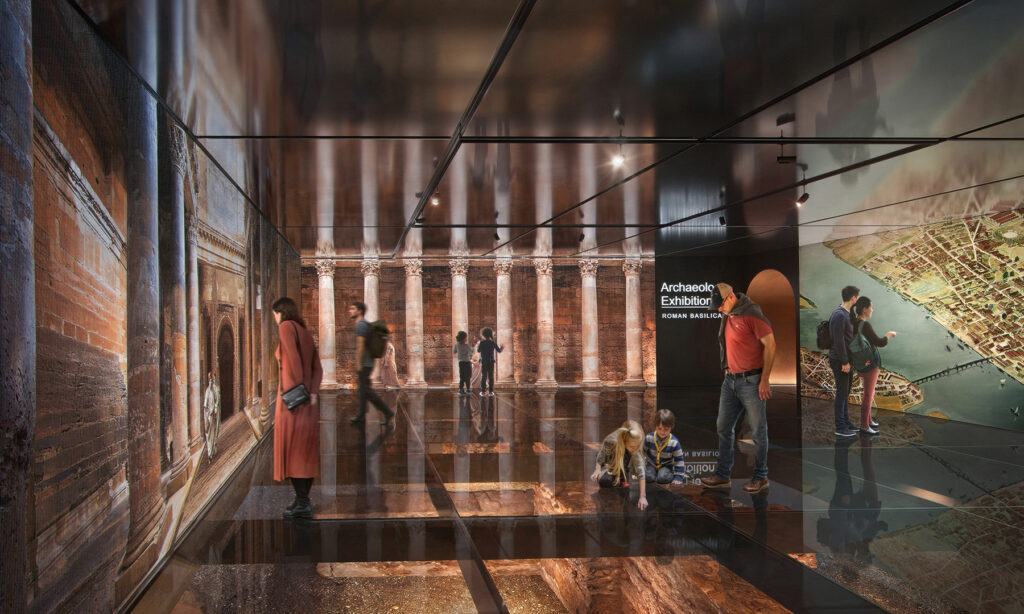
85 Gracechurch Street, London
UK Architect Woods Bagot
Developer Hertshten Properties
The site, next to the Grade II-listed Leadenhall Market, was once Roman London’s first Basilica, with archaeological remains of the foundations found within its footprint. The 30-storey building will provide flexible best-in-class office space, with landscaped terraces and a large public hall at ground level, as well as an archaeology exhibition with glass-floored event room over the Basilica remains.
Best Urban Regeneration Project
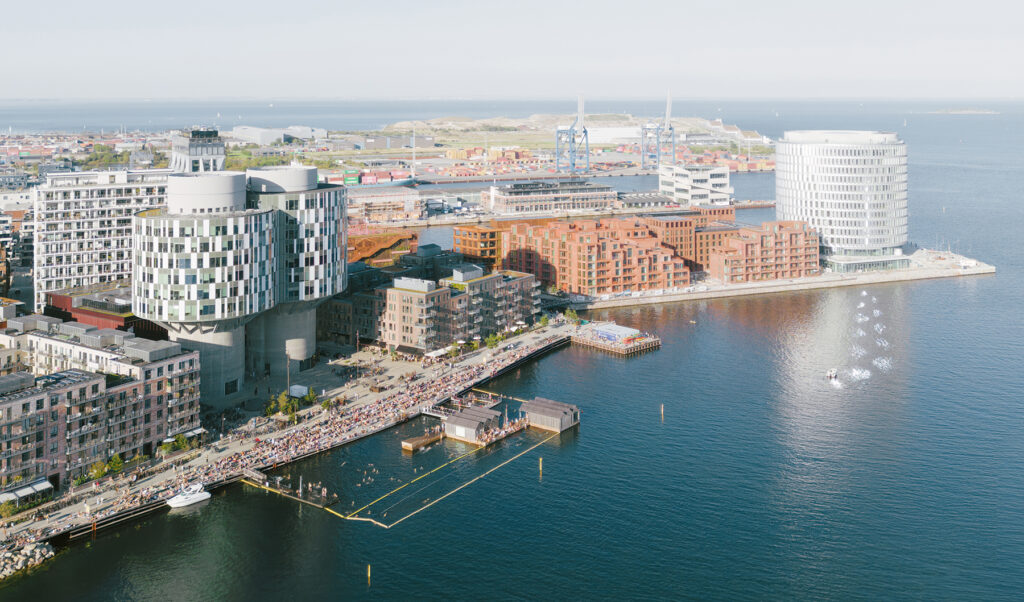
Nordhavn Copenhagen, Denmark
Architects Cobe, Sleth and WERK.
Developers CPH City & Port Development.
This project involved the transformation of a former industrial port into a sustainable mixed-use district that will eventually accommodate 40,000 inhabitants and as many jobs.
Best New Mega-development
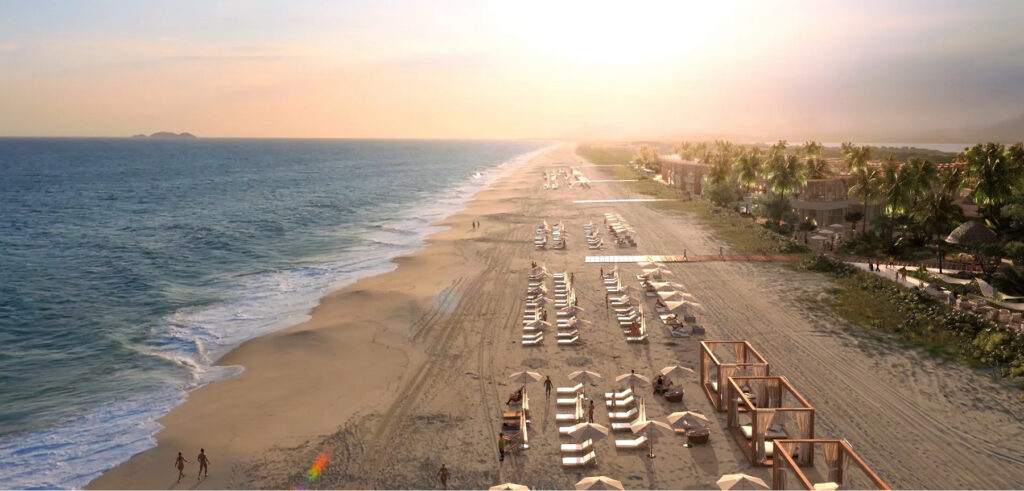
MARAEY RIO DE JANEIRO, Maricá, Brazil
This project has been recognised for its low-impact design: it preserves 440 hectares of sandbank vegetation and features luxury brands like the Ritz-Carlton Reserve and JW Marriott. It is one of the most ambitious sustainable urban developments in the world, confirming the rise of large-scale urban projects that seek to integrate tourism, environment and innovation.