

Public/private cooperation the key to unlock UK living sector
Long-term thinking and public/private cooperation can help overcome the UK residential sector’s current challenges, delegates heard at Real Asset Media’s ‘The Living Sector: transformation driving opportunity’ briefing, which was hosted by PwC at the central London offices.
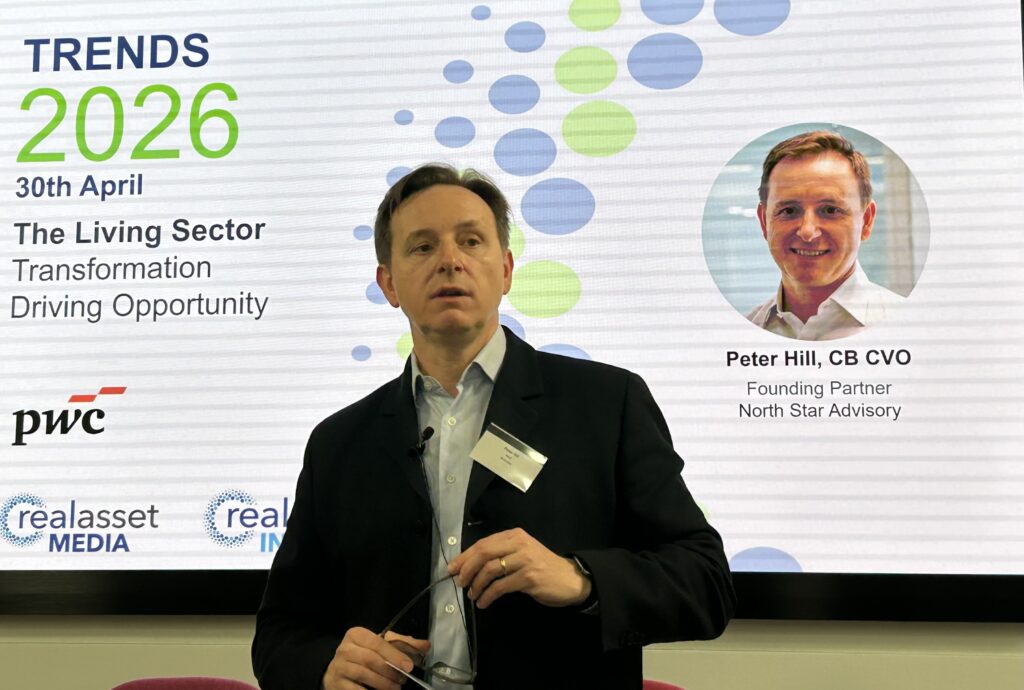
“The year started with cautious optimism but now the context is more complex”, said Peter Hill, Founding Partner, NorthStar Advisory. “The damage caused by the war will continue until the end of the year at least and possibly beyond into 2027 and the UK is badly exposed.”
There is an inevitable macroeconomic hit from lower growth and higher inflation, consumer sentiment is weak yet land prices and building costs remain high.
“The viability of the living sector is being challenged”, said Hill. “But the underlying demand for housing is strong and structural so new, radical solutions must be found.”
Despite spending constraints and the lack of cash in the Treasury’s coffers, there are some positive initiatives. The Government has a commitment to build more homes and has recently launched The National Housing Bank with a £16 billion fund for new homes and regeneration.
Private capital is also ready to step in. “There is a lot of money wanting to go into the living space, so it is not all doom and gloom” said John German, Managing Director Residential Investments, Invesco. “If we are pragmatic we can get strategic investments right. We need to think laterally and work creatively with partners.”
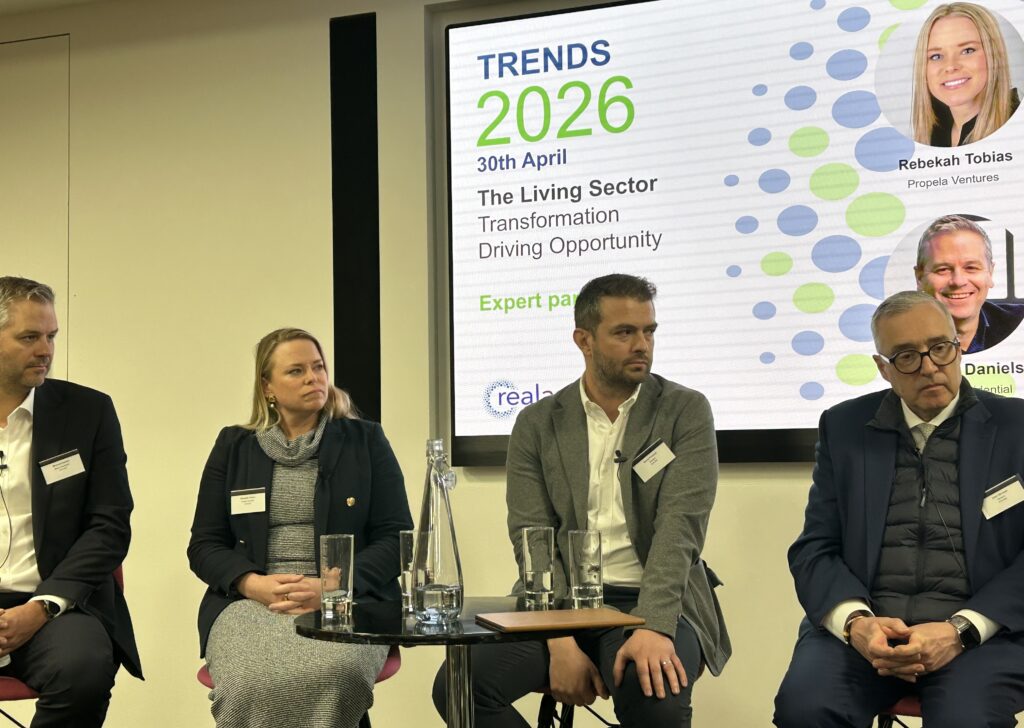
Tariff changes and new regulations are creating uncertainty and deterring investors. The market is jittery, as shown by the upheaval caused by the recent suggestion that the Chancellor, Rachel Reeves, was considering a one-year rent freeze for PRS. Property-related shares fell immediately, but it took 24 hours for the Government to deny the story.
“It has left a concern that things may change and really threw a grenade into an already massive supply problem”, said David Prescott, Deputy CFO, Grainger. “As a listed business, we were in the eye of the storm.”
One solution is finding a partner. Grainger has a long-standing joint venture with Places for London, Transport for London’s property arm, to deliver BTR projects across the capital.
“Public-private partnerships are crucial because it is a fact that public entities own a lot of the land and are long-term custodians of the community”, said Prescott. “TfL are very supportive of housing strategies and the jv means we can access interesting opportunities in good sites.”
Long-term partnerships are one way to find certainty in a very uncertain world, said Michael Daniels, Commercial Director, Wates Residential: “Confusing guidance from the UK government has brought many developments to halt, but regulations have also made us think longer term about assets. As all living products are in demand, it is possible to find a way to get things done.”
Flexibility is key in these challenging times, both in the types of assets and in the types of partnerships and investment strategies.
“There is no one solution”, said Daniels. “We invest, build, develop and sell. We are doing green and brown, we are doing BTR, co-living and low-rise houses. We do a mixture of private land and joint ventures with local authorities that retain the land. We are across the spread of procurement and exit routes, and that is our strength.”


