

Wind farms: five leading UK projects
The UK is a world leader in wind farm energy generation. Five projects described here highlight why.
The development of wind farms throws up familiar bones of contention. To some, the tall, turbined spires provide a glimpse of a green, low-carbon future, while for others they represent an inefficient, nature-threatening eyesore.
This split was embodied earlier in 2023 by the UK government, as the Cabinet clashed over the relaxation of wind farm planning laws. This was an attempt to reduce reliance on Russia for energy supplies in light of its war in Ukraine.
But with more than 11,000 onshore and offshore turbines in the UK, and as the country remains committed to a 68% reduction in emissions by 2030 in line with COP26, it’s clear that wind power is here to stay.
From its days as a seafaring supernation, the UK has always harnessed the power of the elements. As statistically Europe’s windiest country, it’s no surprise that it has a higher offshore wind capacity than any other nation, generating almost 11GW of the world’s 35GW capacity. Not only that – the country is home to seven of the world’s 10 biggest wind farm sites. Which is good news, as BloombergNEF predicts the world’s cumulative capacity can surpass the 200GW mark.
Below, we look at five of the UK’s key wind projects.
1. Hornsea
Located 120km off England’s North Yorkshire coast, the Hornsea 1 farm is the world’s largest operational wind project. The farm encompasses 174MW wind turbines and spans an area of over 407 sq km, powering over one million homes with green electricity. The site is maintained inland at a hub in Grimsby, which supports a workforce of more than 370 people.
The success of the project has led to further investment in the Humberside area with the commissioning of Hornsea 2 in 2020. Two further Hornsea projects are expected as the UK ramps up plans to become carbon neutral.
2. Shetland islands
Typically, offshore wind is more powerful and consistent than onshore wind, but that does not mean onshore cannot play its part in the UK’s net-zero drive. One of the industry’s biggest players, SSE Renewables, plans to build the UK’s biggest onshore wind farm on the Shetland islands. It plans to open the £580 million development by 2025.
The proposed plant would harness 103 turbines and would replace Shetland’s current power station, helping to decarbonise Scotland’s electricity.
3. Dogger Bank
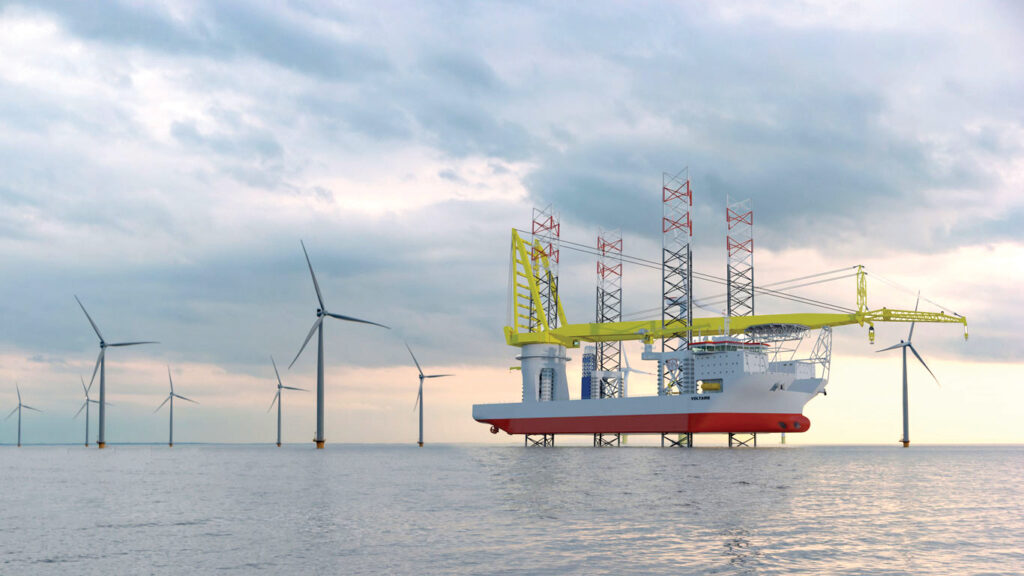
Since 2012, electricity costs from offshore wind have fallen by 66%, meaning building offshore wind farms are not only more environmentally friendly, but a cheaper alternative to fossil fuel power plants. One such development is the Dogger Bank complex, a group of wind farms off the east coast of Yorkshire.
The three sites – A, B and C – will collectively become the world’s largest wind farm, with an installed capacity of up to 3.6GW. Dogger Bank A, its first phase, is planned to become operational in 2023.
4. Walney Extension
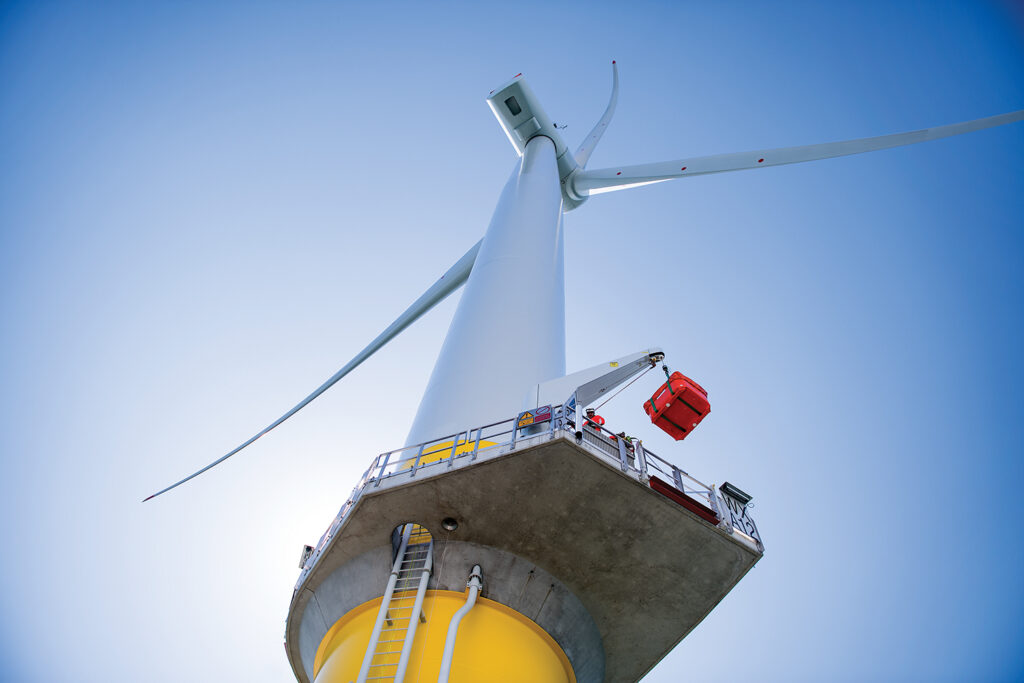
The UK boasts some of the best offshore wind speeds in Europe, coupled with large stretches of shallow seabed, which make it easy to install wind turbines. Opened in 2018, the Walney Extension is based 19km off the Walney Island coast in Cumbria. The project has 87 turbines which provide power to roughly 600,000 British homes. It is owned by 0rsted (50%) and Danish pension funds PFA (25%) and PKA (25%).
5. Floating Offshore Wind Farm Erebus
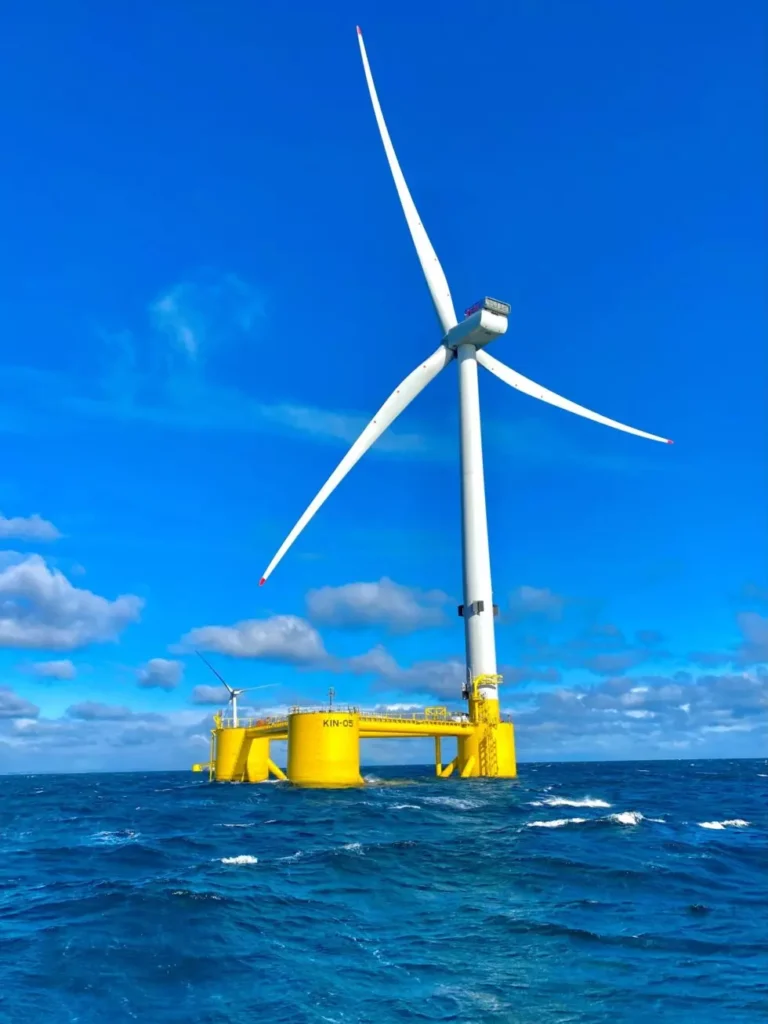
Studies show that as much as 50GW of green electricity could be available from the Celtic Sea of the UK and Ireland. Blue Gem Wind is making inroads into this market with the first floating wind project in the area.
A floating wind turbine is an offshore construction mounted on a floating structure that allows for electricity generation in greater water depths where foundations fixed to seabeds are simply not feasible. Reportedly, more than 80% of the world’s global wind resources are in water deeper than 60 metres, which makes this a key development for the future.
In summary, the UK has capitalised on its natural weather conditions to become a world-leading nation in wind power and is cementing its place with a number of new developments. With this infrastructure in place, the UK can stay at the vanguard of wind technology and on track to hit its emission reduction targets. Offshore wind can therefore form the backbone of the country’s modern clean, green energy revolution.
This article has been produced with insights from Northern Powergrid
