

Residency becomes part of the UAE’s competition for global capital
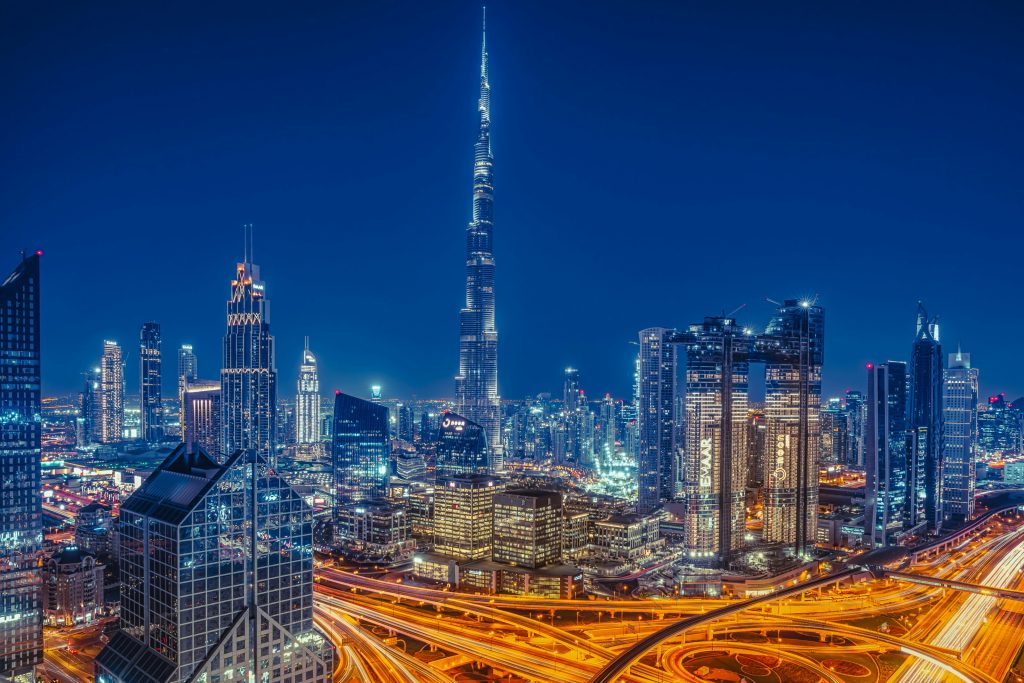
As competition intensifies for high-net-worth individuals, entrepreneurs and globally mobile capital, the UAE’s expanding range of long-term residency options is becoming an increasingly compelling part of its investment story.
Residency policy has increasingly become intertwined with investment attraction in the country, with routes available to investors, business owners, skilled professionals and other qualifying individuals.
Under the UAE’s Golden Residency framework, qualifying investors can obtain renewable long-term residency without requiring a sponsor; with categories covering investors, entrepreneurs and people with specialized skills and talent. For many investors, that shifts the conversation from a single transaction to the possibility of a longer-term base.
In Dubai, property investors owning real estate worth at least AED2 million can apply for long-term renewable residency, subject to eligibility requirements, while the framework also allows sponsorship of family members.
The property-linked route forms part of a wider residency system that includes the five-year Green Visa for qualifying investors and business partners, skilled workers, freelancers and self-employed professionals, alongside other programmes aimed at attracting international talent. Together, these programmes signal that the UAE is competing not only for capital, but for people likely to bring businesses, networks and long-term economic activity with them
Because investment decisions are often made at household level in the Gulf, not just at asset level, the impact on real estate investment dynamics can be significant. For high-net-worth individuals and family offices, such policies potentially influence a broader set of considerations than the attractiveness of an individual asset. Residency options can sit alongside taxation, connectivity, quality of life, ease of doing business and access to professional services when investors consider where to locate themselves, their families and their business interests.
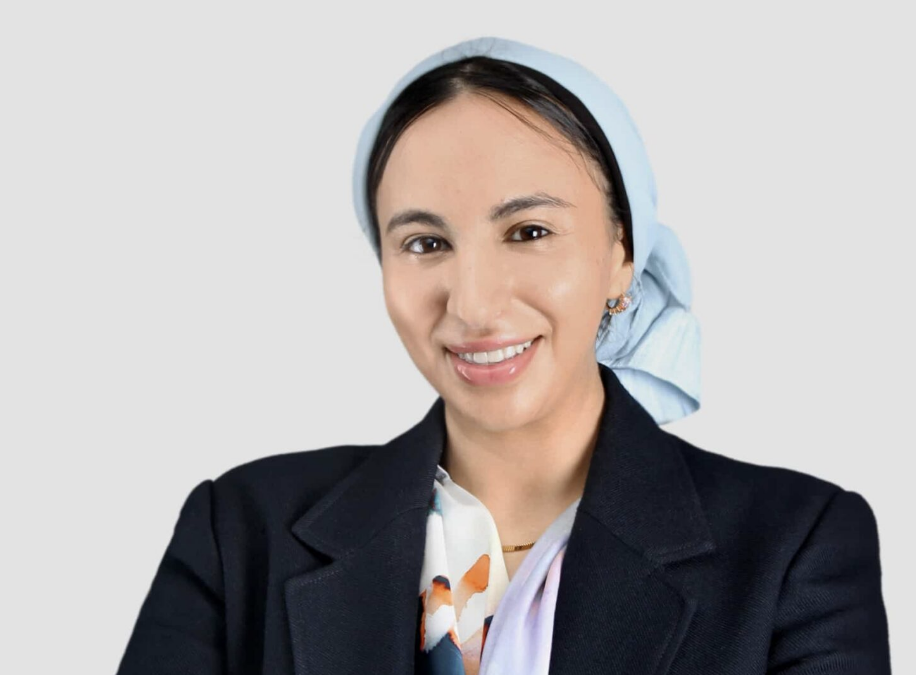
“For globally mobile investors and business owners, investment decisions now go well beyond the asset itself,” Nisan Abdulkader, vice president, government affairs and business development for Africa and the Middle East, for ResearchFDI.
“Residency, business ease, connectivity, and the ability to relocate family members or key staff all shape whether a market can serve as a long-term base for capital and growth.”
The development comes against the backdrop of continued international participation in Dubai’s property market. Dubai Land Department reported AED148.35 billion of foreign real estate investment in the first quarter of 2026, an increase of 26% year-on-year, while luxury real estate investment reached AED87.71 billion.
While those figures do not establish a causal relationship between residency programmes and property demand, they illustrate the wider environment in which the UAE is competing for international private capital.


