

CEE Summit: Resilience is Poland’s biggest attraction
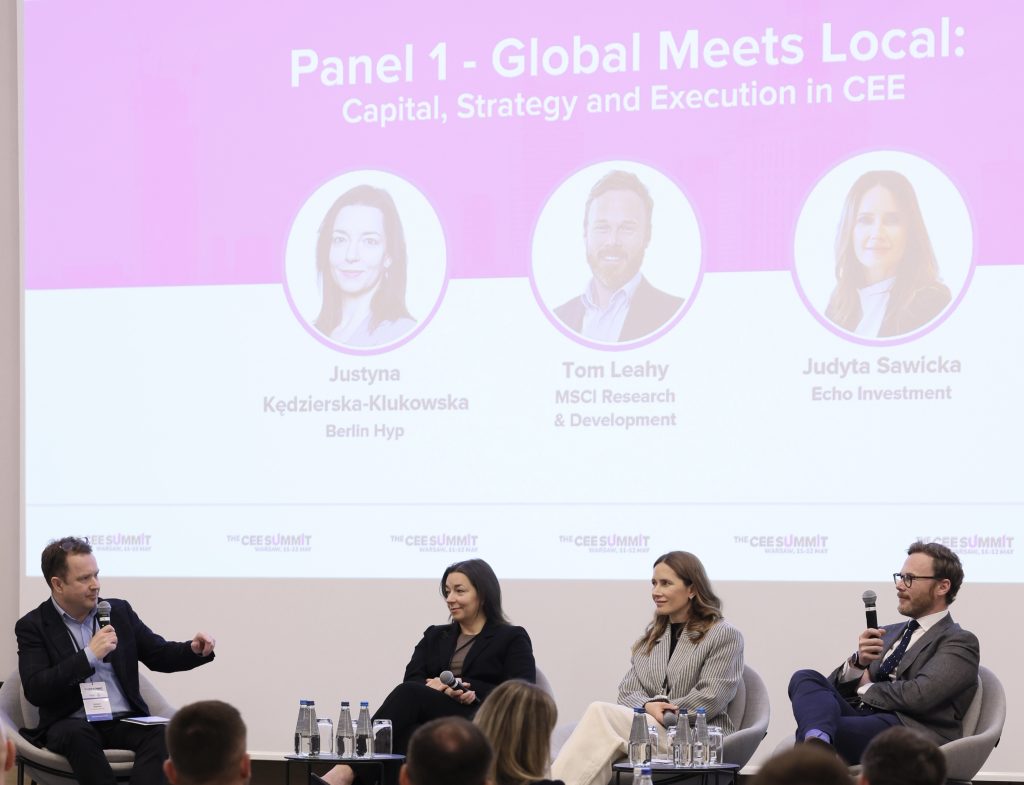
Poland’s resilience is being appreciated by foreign and domestic investors, experts agreed at the ‘Global meets local: capital, strategy and execution in CEE’ panel at the recent CEE Summit 2026 in Warsaw, which was organised by Real Asset Media and The Poland Observer.
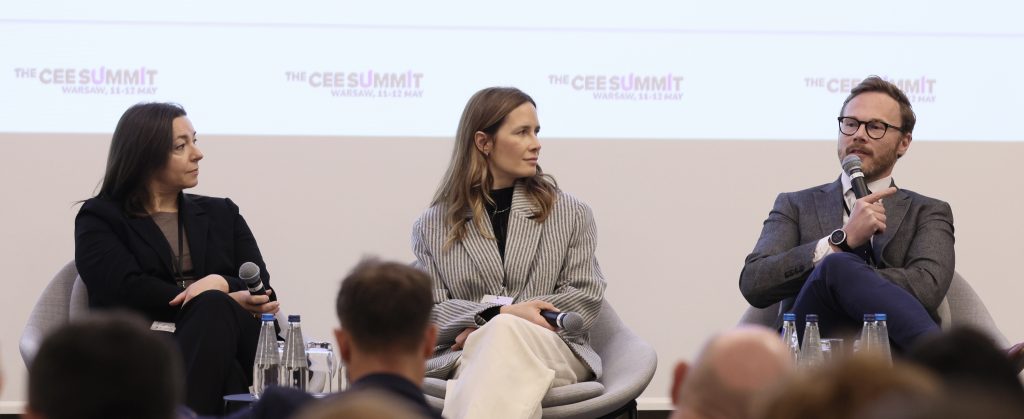
“What is noticeable is the appreciation of CEE in general, of its economy and of its resilience in the current volatile geopolitical environment”, said Judyta Sawicka, Head of Investment & Divestment, Echo Investment. “Resilience is a crucial element, as we do not know how long this uncertainty will carry on. We have sold assets and the majority of capital in the transactions came from Singapore. Private capital, family offices, asset managers are bringing investors, and we also see Western family offices and funds from France investing.”
The strength of the economy in Poland and CEE is attractive, especially compared to the sluggish growth in the UK and in most countries in Western Europe.
“We can only dream of 3.5% GDP growth”, said Tom Leahy, Head of EMEA Real Assets Research, MSCI Research and Development. “The economic growth story here is real and there is a lot to like in the region.”
Private capital has dominated the market for the past three years, but there are signs that institutional capital is slowly coming back to the market, which is a positive sign.
“Right now, the good thing is that last year’s results show a diversification of the investment market, which means there is a certain resilience in each market”, said Justyna Kedzierska-Klukowska, Head of Warsaw Office, Berlin Hyp. “The Warsaw office market, for example, is booming right now, with limited supply and growing demand. And Warsaw is still attracting people, capital, and business activity from the whole country. In my view, Warsaw will remain Warsaw. As an investor, you will not make a mistake in Warsaw.”
But institutional investors still have two main concerns, which are liquidity and currency risk. The CEE region accounts for about 4% to 5% of all investment volumes across the whole of Europe, so it still a relatively small market. If you look at investment volumes as a percentage of GDP, they’re relatively under-invested in real estate markets.
“There’s both an upside and downside to that: the upside is there’s clearly plenty of catching up that can be done”, Leahy said. “I think the downside is that as an investor buying into the region you have to be cognisant of exit risk. One of the reasons why fundraising for real estate at the moment is so tricky is that there’s a lot of capital locked up in funds who are unable to exit investments because the market has essentially turned against them. Then there is currency risk as well, which if you are a euro or dollar-dominated investor, you have to also hedge currency risk versus the local currencies here.”
But there are signs that the Polish market is becoming more liquid, not just in the capital but in the regions as well.
“What we are seeing is that liquidity in the Polish market has increased dramatically”, said Sawicka. “In Warsaw there’s competition for the best-located buildings, but we also see liquidity in the regions. We completed two transactions in Wrocław and we are about to complete one more in Kraków. The vacuum that was created after German funds stopped investing has been filled by regional investors plus Polish investors, which is why we see a number of transactions happening right now.”
It also depends on the sector: as well as offices in the capital’s CBD, logistics assets in the right locations and retail schemes can guarantee a good performance.
“We would definitely finance retail schemes in good locations with a proven track record”, said Kedzierska-Klukowska. “Retail parks are also very attractive, and we have seen also a lot of liquidity, a lot of interest in this market segment.”
There is a shift underway in Poland: there are many wealthy local businesspeople who now want to invest and diversify, and family offices are being created.
“I read a statistic that Poland is generating more millionaires on average than other countries in the EU”, said Sawicka. “This change in mindset that you need to invest, not only build your business, will stay even when institutional capital comes back. And this is dramatically improving liquidity in the Polish market.”
The rest of Europe is being more affected than CEE by geopolitical uncertainty and many investors are choosing to sit on their hands.
“Real estate is an industry for optimists in which I stand out as being something of a realist”, said Leahy. “I do not see much reason for optimism in the data that we have for real estate in Europe. If you look at European transaction activity in the first quarter, it was down by 10%. What we are seeing in this era of uncertainty is that the first reaction from players in the market is to put deals on hold and wait for a clearer path forward. Despite the positive fundamentals in the market, uncertainty is becoming a barrier to activity.”


