SHHA: demand/supply gap in German care market widening
The German care market is growing at pace but the gap between demand and supply is widening, delegates heard at the ‘Senior Living and Specialized Care in Germany: scope of development, financing, legal and later living’, organised by the SHHA in Frankfurt on Wednesday.
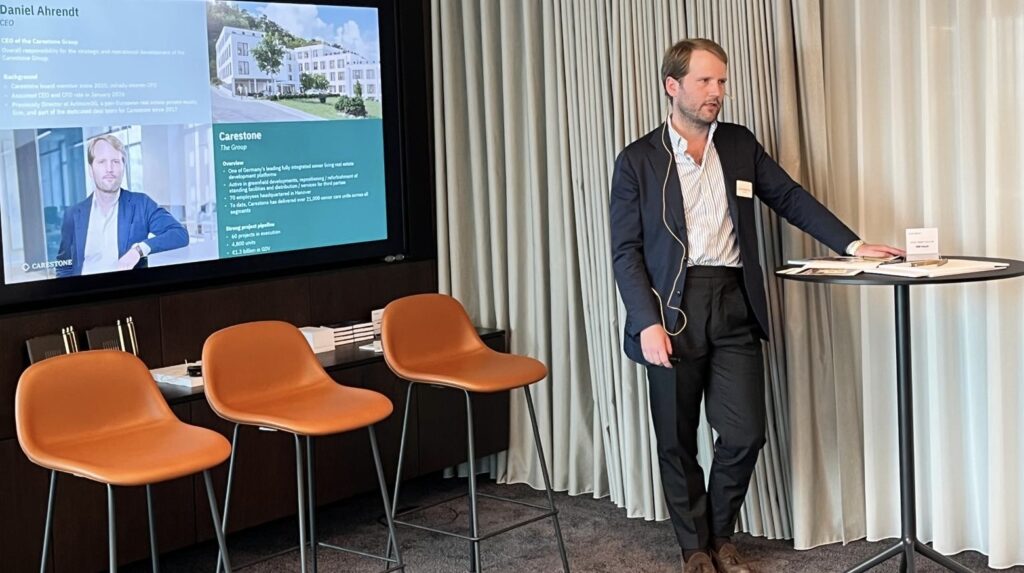
“Demand is structural, with significant investment potential in excess of €100 billion”, said Daniel Ahrendt, CEO, the Carestone Group, a fully integrated senior living real estate development platform. “The demographic trends are clear: the number of people in need of care is growing and will reach 6 million by 2040, a 20% increase on the 2022 figure. This means more nursing homes are needed, but annual supply is not keeping pace, infact it is barely delivering beds on a net basis.”
The prospect is a large gap in supply by 2040 if construction activity does not pick up. The problem is that construction costs have increased by around 50%, from €1,700/sq.m in 2019 to €2,500/sq.m in 2025. Given the predicted rise in inflation due to the fallout from the war in Iran, it is unlikely that costs will come down soon.
“New healthcare developments remain challenging”, said Ahrendt. “Construction and financing costs have risen considerably, while the development financing environment has become difficult. Pre-sales are virtually impossible to achieve, and the required equity coupled with already tight margins makes development unattractive from a returns perspective.”
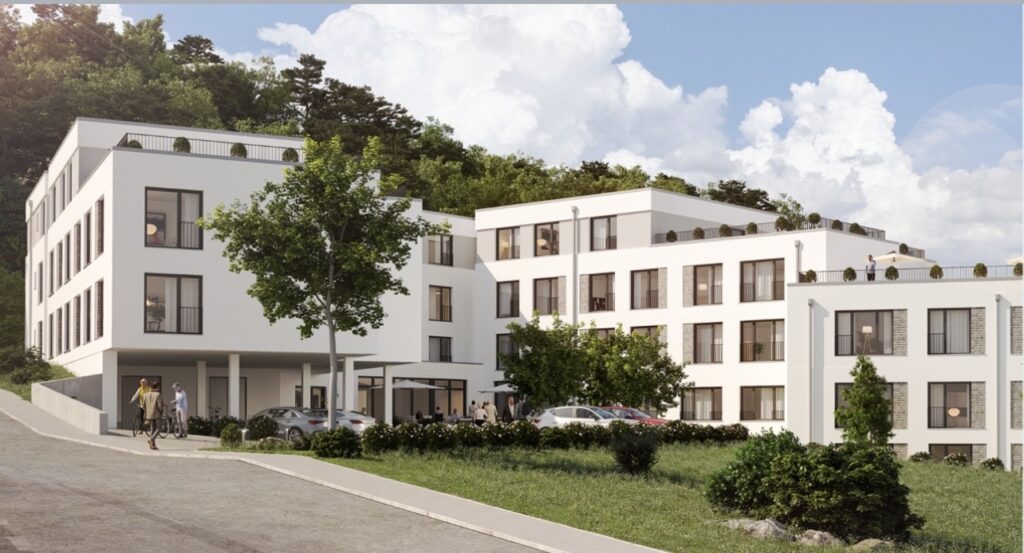
Rents at a national level have barely increased, but there are significant local differences driven by regulation at federal state level. They range from €40 per bed per day in North Rhine-Westphalia to €23 per bed per day in Lower Saxony. The capital value per unit ranges between €160,000 and €280,000 at virtually the same cost.
The question is how to overcome the challenges, as there is strong demand for inpatient care homes. “Regulation at federal level would be a positive”, he said. “Unified standards would provide clear guidelines for investors.”
The market is already adapting, focusing on alternative concepts or refurbishing standing facilities rather than building new ones.
“Value-add assets have seen significant repricing, and the underwriting is more straightforward than for new builds”, said Ahrendt. “As for alternative concepts, they include multiple service options in one location and ambulant care communities. The advantages are greater cost-effectiveness and operational flexibility, with the possibility of higher rents.”