

Vision 2030 drives $324bn Saudi real estate boom
Saudi Arabia’s real estate market registered SR 1.2 trillion in transactions ($324 billion) between July 2023 and July 2025, according to the General Real Estate Authority.
The surge reflects the implementation of the 2022 Real Estate Brokerage Law and a series of Vision 2030 reforms that have professionalised the sector through stricter oversight, broker licensing, and widespread digitalisation.
More than 8 million real estate transactions were recorded during the two years, supported by the licensing of over 86,000 brokers and the approval of 75 digital platforms, which hosted more than 685,000 property listings.
Tayseer Al-Mufarrej, general director of strategic communication at the authority, stated that the new regulatory system had transformed the market’s structure. “Brokerage has become a licensed profession governed by defined responsibilities and obligations,” he said.
In its first year of implementation, the system helped increase transaction volumes by 17%, with SR 605 billion ($163.35 billion) in deals completed between July 2023 and July 2024. The rise was attributed to standardised contracts, enhanced transparency, and increased bank participation in mortgage lending.
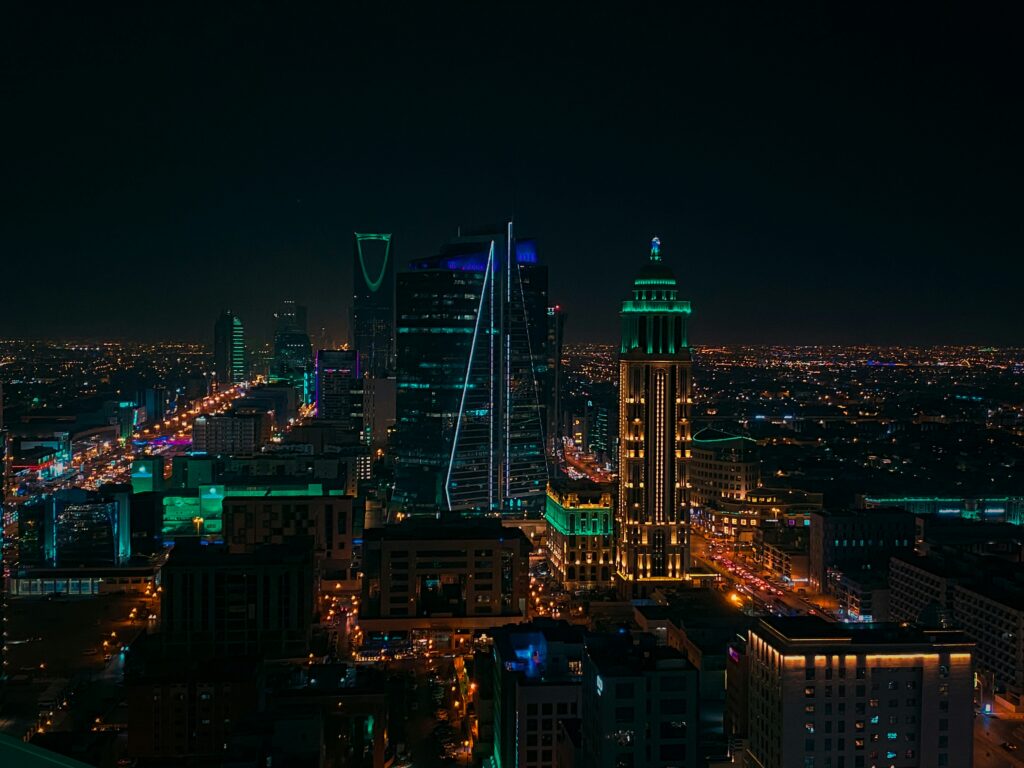
The changes are part of Saudi Arabia’s broader effort to raise the national homeownership rate from 63.7% in 2023 to 70% by 2030. The strategy involves expanding access to mortgage finance, diversifying funding sources, and streamlining the property transaction process through digital platforms.
Governance improvements and planning standards have also helped improve the quality of residential neighbourhoods – reinforcing investor confidence and supporting long-term sector growth.
Property transactions across residential, commercial, industrial and hospitality segments totalled SAR 2.5 trillion ($666 billion) in 2024, according to real estate registry data from the Saudi Ministry of Justice. It also captures a broader range of transfers than the General Real Estate Authority’s dataset, including inheritance, corporate restructurings, and other non-brokered activity.
In a further boost to market openness, Saudi Arabia approved a new real estate law in July 2025 that enables foreign individuals and companies to own property in designated zones, while maintaining restrictions in Makkah and Madinah. The law is scheduled to take effect in January 2026.
ANALYSIS: Saudi Arabia’s real estate sector is undergoing a structural transformation, driven by regulatory reform, digitalisation, and a shift toward institutional-grade transparency and participation.
The market recorded SR 2.5 trillion ($666 billion) in transactions in 2024, according to Ministry of Justice data, aided by over 8 million digitalised deals and the licensing of more than 86,000 brokers.
Pricing trends reveal a mix of stability in some segments and sharp increases in others. The Real Estate Price Index rose 4.3% year-on-year in the first quarter of 2025, led by a 10.3% increase in villa values, according to GASTAT. JLL data show sales prices rising 10% in Riyadh and 5% in Jeddah during the first half of 2024. Appreciation has been strongest around large regeneration sites such as King Salman Park and Jeddah’s Corniche.
Riyadh’s housing stock reached approximately 1.46 million units by the end of 2024, according to Knight Frank, following the delivery of around 49,000 new units during the year. As of mid-2025, the current supply pace remains inadequate to meet the rising demand or achieve Vision 2030’s target of increasing homeownership to 70%.
Apartment prices have risen by 75% since 2019, and four-bedroom villas now average SR 2.8 million ($747,000), exacerbating affordability pressures despite expanded mortgage access and a growing pool of residential borrowers.
Risks remain. Affordability issues and construction cost inflation persist. While Saudi courts have improved arbitration and enforcement through specialised economic circuits, legal consistency is still evolving. Instability in global geopolitics and energy markets could delay project delivery schedules. Investors require prudent structuring, strong local legal advice, and pricing that reflects execution risk.
Bank credit has scaled up. New residential mortgages totalled SR 91.1 billion ($24.6 billion) in 2024 – a 17% increase year-on-year – and the total real estate loan book has surpassed SR 850 billion ($229.5 billion). As mortgage penetration rises 9% annually, institutional capital is exploring mortgage securitisation, income-backed housing vehicles, and exposure to regulated financing channels.
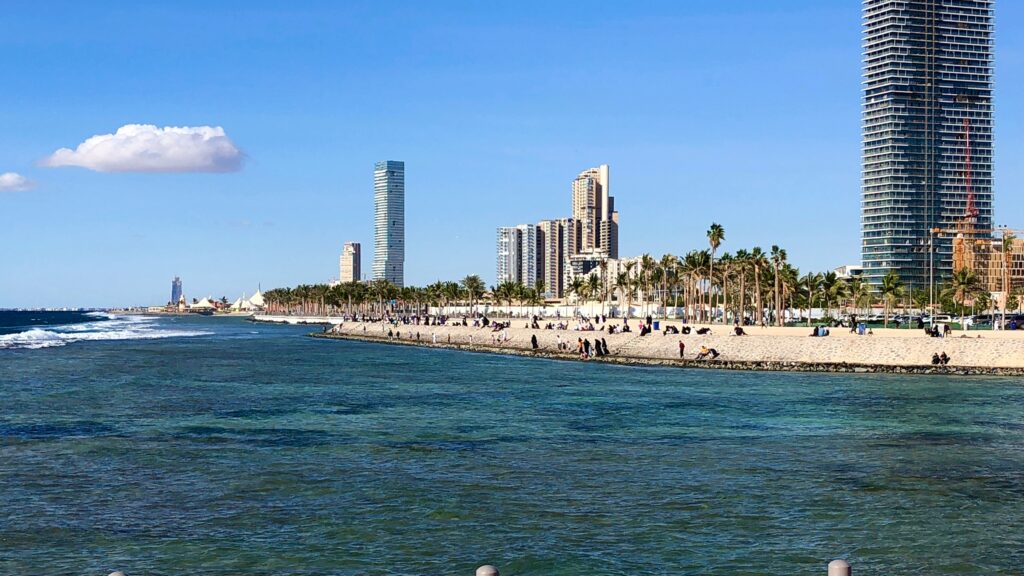
Foreign access to Saudi real estate is expanding. While foreign investors are already permitted to acquire office buildings, logistics assets, and other commercial property in most of the country — typically via REITs, joint ventures, or structured vehicles — the market is set for further liberalisation. The July 2025 foreign ownership law, effective from January 2026, will allow non-Saudis to directly purchase real estate in designated areas across the kingdom for the first time, excluding Makkah and Madinah.
It will also permit foreign investors to hold up to 49% of shares in listed companies that own assets in those restricted cities, creating indirect routes to religious tourism-related real estate. The law will be jointly implemented by the Real Estate General Authority and the Ministry of Investment, with executive regulations to be issued within 180 days of publication.
This regulatory shift is expected to deepen foreign participation in sectors such as logistics, hospitality, and offices, and supports Saudi Arabia’s goal of reaching SR 388 billion ($104.8 billion) in annual FDI by 2030. A parallel move from 15% VAT to a flat 5% transaction tax has improved market liquidity, particularly in the mid-income and SME segments.
Property developers face persistent delivery risks. While the Etmam platform — Saudi Arabia’s electronic building permit and project approval system — has streamlined development approvals, land costs and contractor bottlenecks remain high.
Giga-projects such as NEOM, Qiddiya, and Diriyah — valued at SR 4.9 trillion ($1.32 trillion) — continue to absorb much of the available construction, labour, and financing capacity across the market. However, new capital structures are enabling foreign participation through SPVs, PPPs, and development mandates in tourism, residential, and infrastructure-linked sectors.
Institutional capital deepened its role in 2025 through the use of REITs, joint ventures, and structured forward-purchase agreements. Riyadh and Jeddah remain the dominant markets, with residential transactions in Riyadh rising 51.6% year-on-year from July 2023 to July 2024, according to data from the Saudi Ministry of Justice.
Investors are also diversifying into tier-two cities, stabilised rental portfolios, and logistics parks aligned with the national infrastructure grid.
Office and logistics assets are repositioning. Net effective office rents in Riyadh rose by 12% in the first half of 2025, while logistics take-up increased by more than 40% over the same period, according to CBRE. Institutional demand is consolidating around ESG-compliant, income-generating assets with inflation-linked leases and robust pre-leasing activity in masterplanned zones.
New flows of foreign capital are targeting integrated resorts, branded residences, and logistics corridors tied to King Salman International Airport and coastal ports.As Saudi Arabia’s digital economy matures, data centres and last-mile logistics platforms are emerging as viable investment targets, with internal rates of return (IRRs) typically ranging from 12% to 16%, according to CBRE and JLL estimates.
Meanwhile, hospitality and residential assets linked to giga-projects such as NEOM and Diriyah are achieving equity IRRs of 15% to 18%, often supported by sovereign land grants and co-investment arrangements, according to developers and fund disclosures.
From 2026, foreign investors are likely to play a leading role in PPP-financed social infrastructure such as schools and hospitals, particularly in NEOM and Qiddiya. This will expand the investable landscape to long-duration, inflation-hedged public-use assets.
Institutional investors can expect different types of returns, depending on the strategy employed. Core and core-plus income-focused investors – such as pension funds and insurers – can target stabilised logistics, office, and residential assets delivering net initial yields in the 6% to 7% range, often indexed to inflation. Capital appreciation is concentrated in value-add and opportunistic strategies. These include land assembly, asset repositioning, and early-stage giga-project exposure, where total returns exceed 15% IRR under conservative underwriting.
Development deals, including data centres and branded residences, are offering stabilised yields on cost between 8% and 10%, with equity multiples of 1.6x to 2.0x, according to estimates from Knight Frank, JLL, and recent developer term sheets. For private equity real estate funds, closed-end structures with defined exit horizons are already underwriting gross IRRs of 14% to 18% in segmented hospitality, logistics, and social infrastructure plays. Exit yields for prime assets are compressing in high-demand nodes – particularly in Riyadh’s mixed-use clusters – offering scope for capital gain through yield compression and market normalisation.
Regionally, Saudi Arabia now offers the most scalable and underpriced real estate opportunity. Dubai and Abu Dhabi remain highly liquid, but they are further into their investment cycles. Saudi Arabia is still repricing – especially in data centres, logistics, and life sciences – creating asymmetric entry points for long-term capital. Life sciences are gaining relevance due to localisation mandates and expanding health budgets.
Saudi Arabia now represents the most comprehensive institutional real estate opportunity in the Middle East. For global investors, it is not simply a matter of gaining access – it is about influencing the architecture of a modernising market with long-term structural upside.


