

German data centres, domestic capital too slow to get on board
The German data centre market offers great opportunities, but it is international investors rather than European ones that are seizing them, experts agreed at this week’s Real Asset Media’s Data centres: Capital & Opportunities in Europe briefing, which was hosted by PwC at their offices in Frankfurt.
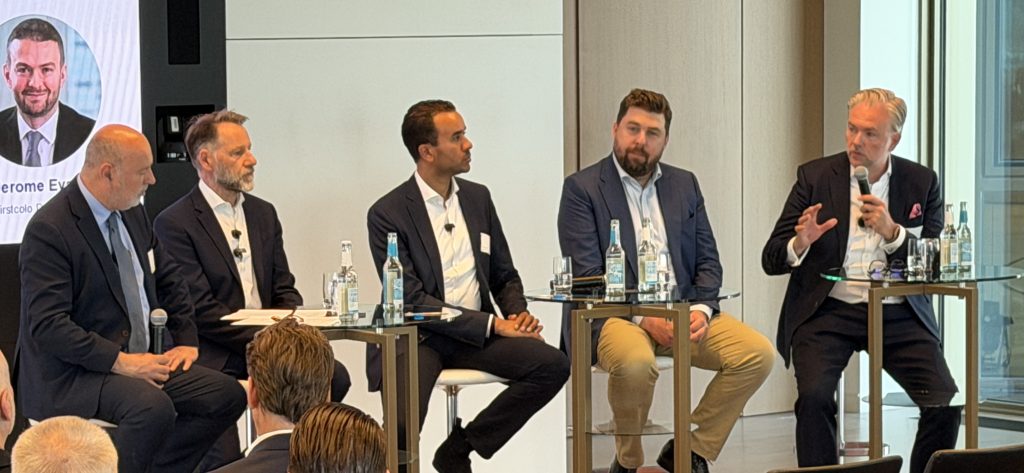
“It would be nice if German institutions were willing to provide more capital to the asset class”, said Frank Noé. Head of Capital Formation, Primevest Capital Partners. “They are never the first movers and they tend to act slowly, so unlike value-add investors they keep away from an asset class that is developing fast.”
Capacity is constantly ramping up and that is sending alarm bells ringing among German capital that is cautious about rushing into the wrong investment.
“So while German investors are looking, learning and having conversations, the majority of capital is coming from outside the country because of the perceived high-risk premium”, Noé said.
“On the equity side it would be good to see more risk appetite from German and European investors instead of just US or Asian capital”, said Jerome Evans, Founder & CEO, firstcolo Datacenters.
The need to develop strategic autonomy is being much discussed and all European governments want to improve local capacity. The sovereignty topic is leading to the creation of a European community on the operator side, but that is not happening on the financing side.
“Equity and debt are still dominated by non-EU money”, said Thomas Veith, Partner, Global Real Estate Leader, PwC. “German institutional investors are resistant to high risk, but that also means no high returns. We should follow the Canadian, US and Asian example and create data centre REITs and motivate institutional capital to invest more in the sector, as the demand is clear. There is so much momentum behind data centres now, we should be part of the wave.”
Having domestic institutions onside would also make obtaining the necessary permits and approvals easier, said Noé: “If you say you are financed by a German bank doors will open faster than for a Chinese or an American investor”.
There are signs that things are moving in the right direction, largely thanks to new German legislation to regulate the sector which is making municipalities and communities less uneasy about data centres.
“The demand flow is being created by Government now, and banks are more open to colocation rather than just hyperscalers”, said Noé. “So the message to equity investors is to be open and curious and get on board without waiting too long.”
Some banks are now understanding the market better and going beyond the safe option of one tenant and 20-year contracts. They are shifting to financing colocations, even if it means multiple tenants and shorter, 5-10 year contracts. This diversification should help the market.
“Banks should not be afraid because data centres are a safe haven in many ways, as we know demand will not stop growing”, said Michael Dada, Independent Data Centre Consultant, German Datacenter Association. “They need to forget about traditional sectors like offices or residential and understand that this is a different asset class. Data centres, like power plants, have become essential infrastructure.”


