Outlook 2026: foreign capital turns to EU & German logistics
Europe in general, and Germany in particular, are set to benefit from increased interest from international investors, experts agreed at Real Asset Media’s European Outlook 2026, which took place in Copenhagen recently.
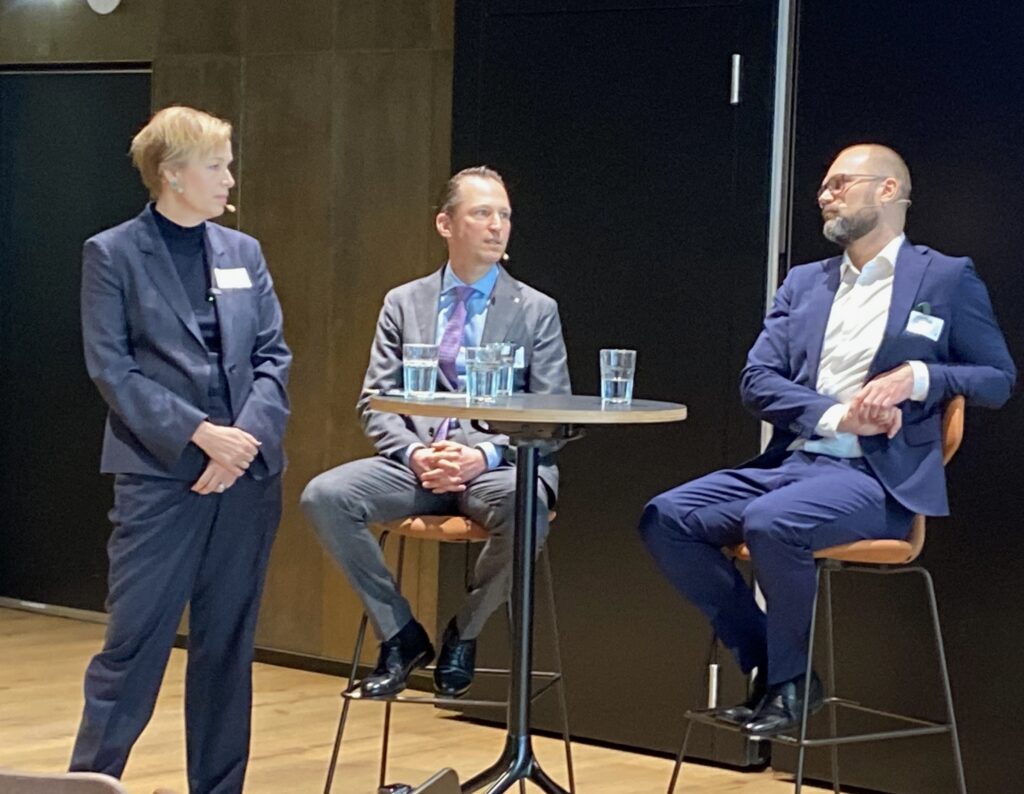
“Nordic and Benelux pension funds are looking at geopolitical uncertainty and want stability”, said Esther Heilmann, Managing Director Capital Formation, Periskop Partners. “There’s a real move away from the US because of high inflation and other factors.”
Europe is increasingly seen as a safe haven, with stable inflation and interest rates, rule of law and legislative clarity.
“This shift to Europe is a structural change set to last”, said Troels Andersen, Head of Funds Europe & Fund Manager, Aberdeen Investments. “We have three years left of Trump, so geopolitical noise and uncertainty are likely to continue. Investors like predictability, so more Canadian and APAC capital will be laser-focused on Europe.”
There’s a consensus on the need to build resilience and strengthen Europe’s own capabilities and production facilities, while the attractiveness of the EU’s market of 450 million consumers is not lost on foreign companies.
“Eleven out of investors’ 15 preferred targets worldwide are in Europe, with the UK in first place and Germany second”, said Heilmann. “And logistics is the perfect sector to invest that capital in.”
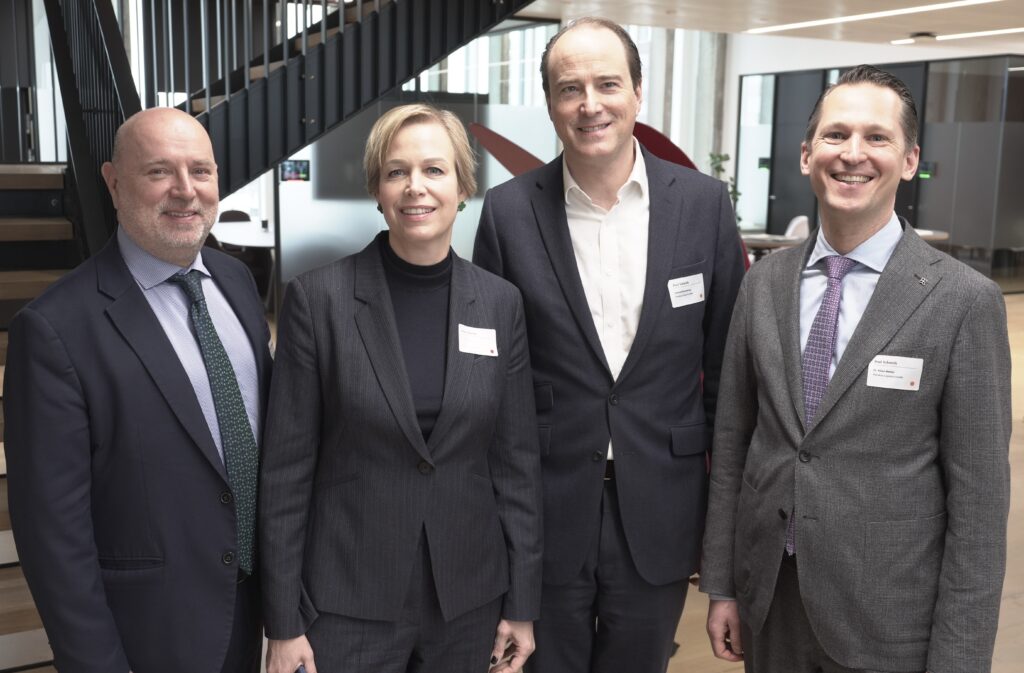
Many factors play in favour of logistics, experts agreed: price corrections have made valuations attractive, the nearshoring trend continues, more foreign companies are targeting European markets and the increase in defence spending will lead to more demand.
“German logistics is in a very strong position now”, said Kilian Mahler, Managing Partner, Periskop Logistics. “In the years ahead we expect significant demand, including 6 million sq.m just for defence requirements.”
The defence sector has many advantages, because it is looking for space away from the big cities but close to motorways, lease contracts are very long, usually 20 years, and the companies’ creditworthiness, backed by the State, is excellent. “From a portfolio management perspective, it is almost its own asset class with no correlation to other segments”, said Mahler. “It will need more space and it will have to be modern and energy efficient, so a lot will have to be built.”
There has been a real shift in attitudes towards increased defence spending, said Heilmann: “A year a go a lot of funds were not interested in the sector, but now it is seen as critical infrastructure.”
In the meantime, e-commerce penetration continues to increase and this will lead to more demand for logistics assets, in this case closer to cities, ideally last mile to minimise traffic and transport costs.
“We also see many Asian companies coming to the German market looking for space, especially close to the Northern ports”, said Mahler. “We get many calls asking for space, but our portfolio is fully let. Higher demand is likely to lead to higher rents.”
German logistics assets will be in demand from other quarters as well, from the pharmaceutical sector that has specific needs to store medicines to make sure they are available to automotive industries that need to build more electric cars and need specific fire-proof storage for batteries.
“Germany has been through a tough period, but now the future is looking bright”, said Andersen.