

New solutions to tackle labour shortages in senior housing
Imaginative solutions are needed to tackle labour shortages, the biggest problem the sector faces, experts agreed at the ¨Global Horizons: unlocking the future of senior housing worldwide¨ webinar, organised by the Senior Housing and Healthcare Association (SHHA).

It is a worldwide issue that is about to get worse in Europe, as the supply of workers from other countries may be drying up. ¨In Asia many countries that traditionally sent care workers abroad are now ageing fast, so they need these workers at home¨, said Janice Chia, Founder & Managing Director, Ageing Asia. ¨They are building great facilities in Asia and they need people to work there. Going overseas is becoming less attractive.¨
In Asia, in Europe or in the US, worker retention is a challenge. One solution is ¨professionalising the sector, giving people opportunities for advancement and above all valuing them more¨, said Chia. ¨It is an issue very close to my heart.¨
It is the right thing to do, but it is also necessary because without structural changes there will continue to be labour shortages.
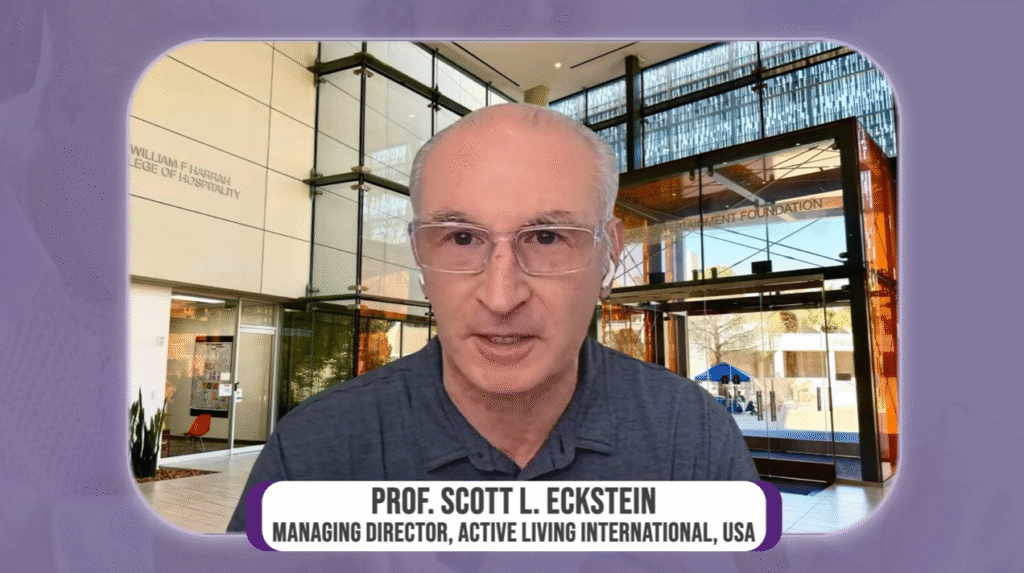
¨The fact is that senior living is not sexy and young people are not attracted to it, so we need to sell our business¨, said Scott L.Eckstein, Managing Director, Active Living International. ¨I have tried to change the conversation by partnering with hospitality and health & science students, as they have the same skills set needed for senior living. We need to provide the same opportunities that hotels or spas offer in order to attract people.¨
Hospitality and senior housing both require people skills, but senior housing offers a different kind of engagement and more meaningful relationships, as carers deal with people for months and years rather than just days.
¨My course in the US is doing certificate programmes and majors, as well as operational partnerships to get field experience and draw people to the senior living space¨, said Eckstein. ¨We also need less ageism, to bring more older people into the workforce.¨
Technology offers new solutions to deal with labour shortages in the sector. Artificial intelligence has been shown to be helpful in delivering better care, but boundaries must be drawn.
¨Using AI for cleaning and support services can make operations more efficient on the labour side, and by reducing costs it can also help with affordability, so it is a win/win¨, said Eckstein. ¨But AI can only go so far. In the end, people always want the personal touch.¨


