

We’re backing the French logistics market: this is why
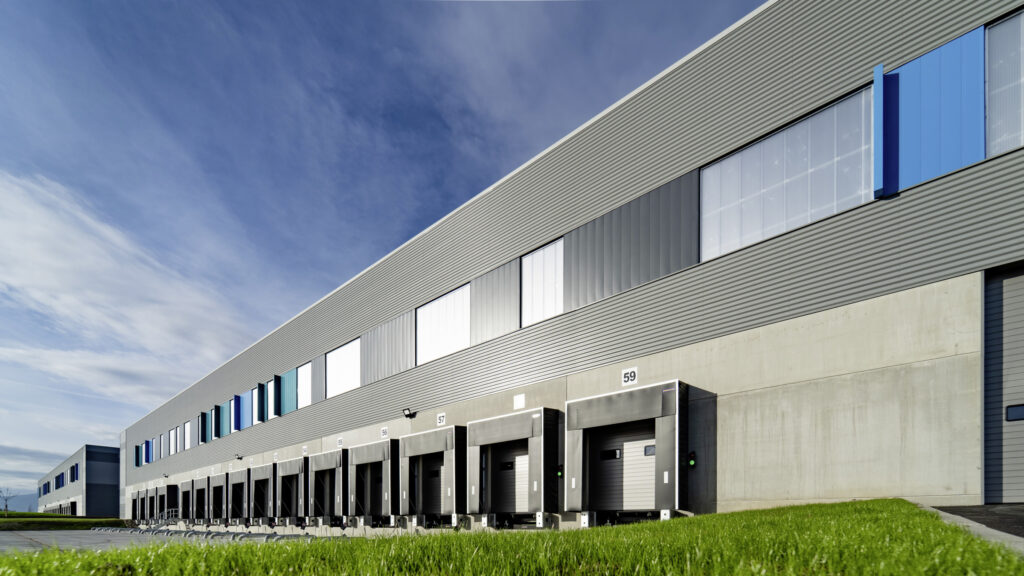
Union Investment’s Cedric Mallmann explains how France, especially in the regions, offers logistics opportunities boosted by growing online channels and lack of development.
The French logistics real estate sector ranks among the top three markets in Europe. The digital transformation of the economy, especially the diminishing role of bricks-and-mortar retail in the non-food sector, has spurred growth, attracting an increasing number of real estate investors in recent years.
The coronavirus pandemic further accelerated this fundamental shift, and in 2024, for the first time, transaction volumes for the logistics market in France exceeded the office market. At just over €5 billion, the figure represented an increase of around 60% year-on-year.
Union Investment has been active in the French market for about 20 years, primarily as an investor in offices, and has maintained an asset management unit in Paris since 2005. Our entry into the French logistics market began in 2019 with the acquisition of Logistrial Real Estate AG from Garbe Industrial Real Estate. The deal included a portfolio of 19 logistics properties, among them a development in Ensisheim, in north-east France.
Repositioning supply chains and logistics facilities
Fresh impetus for the logistics market is currently coming from the areas of fast fashion and social commerce – ie the sale of goods via social media channels. These sectors are focusing on the agility of supply chains and logistics facilities, for example by positioning products closer to the consumer and/or relocating production to European countries. This is leading to additional demand for modern logistics space close to metropolitan areas and also at established production sites.

High-quality space in good locations in France is in short supply. In addition, ESG requirements and the so-called ZAN policy (zéro artificialisation nette), which aims to avoid net new sealing, are making new developments more difficult, particularly in urban areas. The French government hardly allows any building land to be used for logistics centres. Their supply is therefore not growing.
The difficulty of finding available land, the complexity of administrative procedures and rising prices in conjunction with construction costs, which have risen significantly in historic logistics areas, are boosting the development of locations that were previously considered secondary. Therefore, in addition to the ‘dorsale’, a major logistics axis which runs from Lille via Paris and Lyon to Marseille, regions such as western France, Toulouse, Bordeaux and the Centre-Val de Loire are becoming increasingly important – supported by demographic growth and lower prices.
Data centres in demand
The advancing digital transformation and increasing use of AI are also having an impact on the French real estate markets. Data centres – particularly in the greater Paris and Marseille areas – are increasingly in demand and becoming more of a focus for investors. Due to approval requirements and the shortage of space, the conversion of warehouses into data centres is becoming more attractive. Data centres do not create many jobs and are therefore even less likely to gain permission for new sites.
The trend is bringing new areas of business: for example, some real estate service providers are now offering to review real estate portfolios to assess their suitability for conversion into data centres. In addition, locations close to power connections and fibre-optic infrastructure are seeing rising prices and demand.
According to some estate agents, investment volume overall this year should settle at pre-pandemic levels. Core-plus and value-add strategies remain the driving force, particularly in urban areas for small- to medium-sized units. Regional diversification and data centre concepts are seen as important competitive advantages. The shortage of space in France and stable demand will continue to support rental growth in any case – especially in undersupplied regions. Investors therefore prefer short remaining lease terms to leverage potential for rent increases. Older properties are also likely to be increasingly on the market – with opportunities for conversion or repositioning.
Cedric Mallmann is investment manager for logistics at Union Investment
