

Europe’s next logistics cycle is taking shape
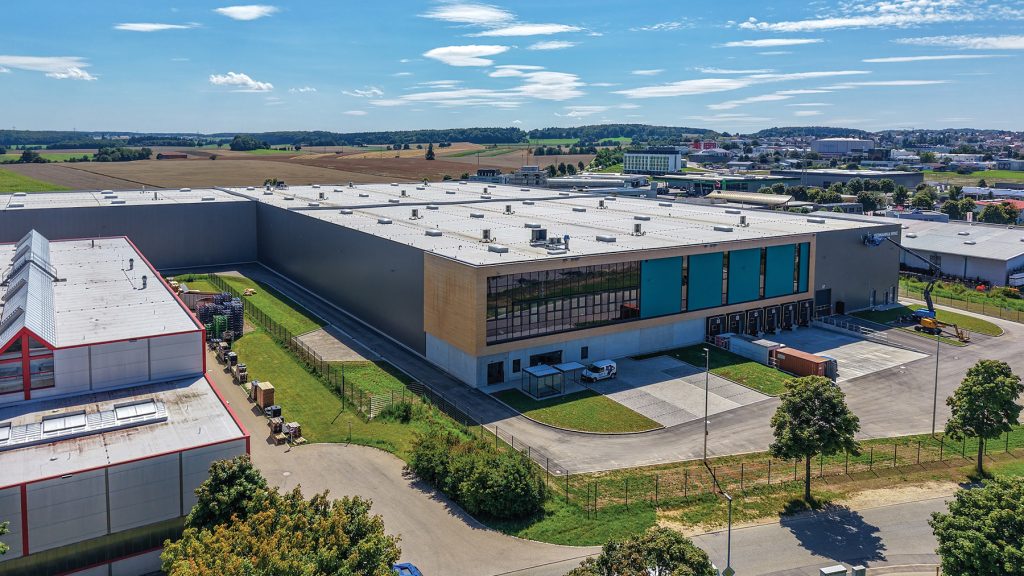
With logistics markets improving across Europe, a slowing development pipeline cannot match demand, creating opportunities for well-capitalised platforms, writes Ingo Steves.
As leasing activity is recovering and rental growth remains positive in many European markets, the supply of new, high-quality space is becoming increasingly constrained. Market reports by CBRE and BNP Paribas show that European logistics take-up reached its highest level in 14 quarters in Q2 2026, increasing by 30% year-on-year.
At the same time, net absorption exceeded new completions for the first time since Q3 2022.
Prime rents in a panel of 45 European markets rose by 2.7% year-on-year in Q1 2026. Germany mirrors this broader recovery: logistics take-up reached around 3 million square metres in the first half of 2026, an increase of 11% year-on-year.
These figures reinforce the rationale behind Swiss Life Asset Managers’ strategy of focusing on high-quality logistics developments in established European metropolitan regions, gateway locations and major transport corridors. The next cycle will likely favour investors and developers that can identify supply-demand imbalances early, secure the right locations and deliver the type of space occupiers increasingly require.
Demand is returning, but it is becoming more selective
The long-term fundamentals of logistics remain intact. Companies are redesigning supply chains in response to geopolitical uncertainty, nearshoring and the need for greater resilience. Automation, digitalisation and higher sustainability requirements are adding another layer of demand for modern logistics space.
At the same time, occupiers are becoming more selective. The distinction between available space and the right space is becoming increasingly important. Location, energy efficiency, building specifications and flexibility are moving higher up the agenda.
Going forward, this flight to quality is key to benefit our established strategy at Swiss Life Asset Managers even further. Swiss Life Asset Managers focuses on sustainable logistics assets in metropolitan regions, gateway locations and along Europe’s principal transport corridors. Rather than treating Europe as one homogeneous logistics market, investment decisions are based on detailed knowledge of individual regions and local occupier dynamics.
The supply equation is changing
Perhaps the most important number for the coming cycle, however, is not demand but supply. Development activity has slowed significantly over recent years as higher costs, demanding approval processes and increased regulatory requirements have made new projects more challenging.
This creates a potential mismatch. Demand is recovering at a time when the development pipeline cannot respond at the same speed. In Germany, Big Box vacancy declined to 4.6% in the first half of 2026 after reaching 5% at the end of 2025. Across Europe, the same pattern is beginning to emerge, albeit at different speeds depending on the market.
The development seen in the US provides an interesting comparison. Research shows how sharply construction starts have fallen there, while leasing by large big box occupiers has begun to recover. Historically, these large, sophisticated occupiers have often moved ahead of the broader market, making big box activity an important early indicator of improving logistics demand.
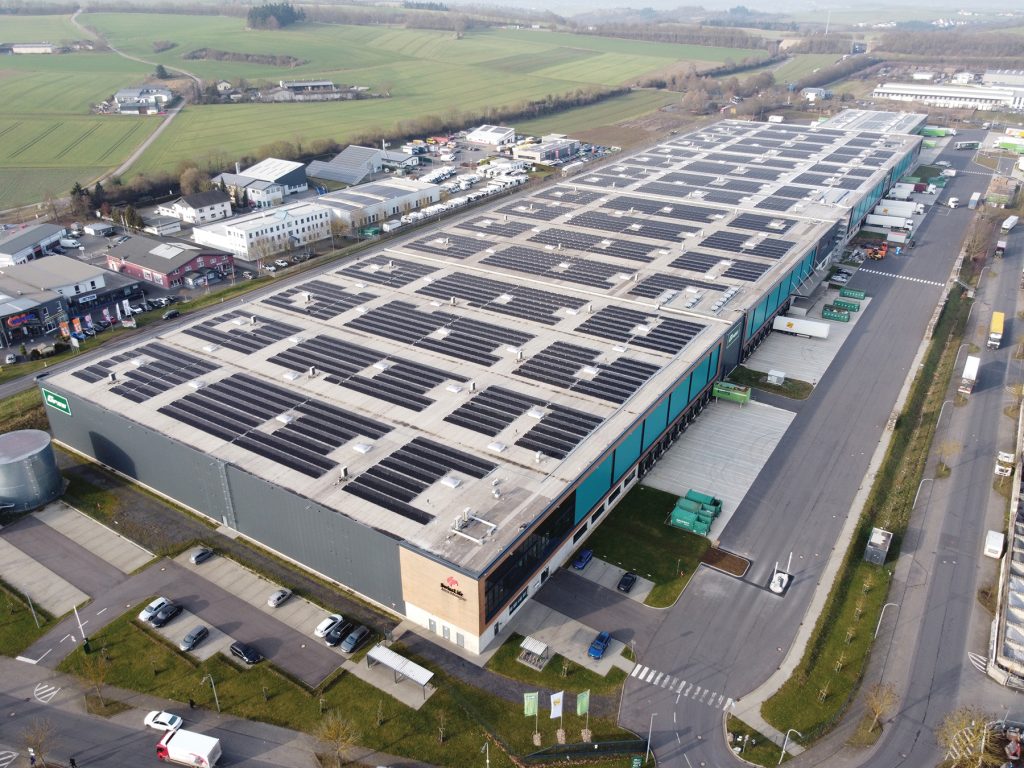
If occupier demand improves faster than new development can respond, modern space in established locations becomes increasingly scarce.
For a well-capitalised platform such as Swiss Life Asset Managers, this creates opportunities. With the ability to commit capital throughout the cycle, projects can be prepared while other market participants remain constrained.
Combined with local development expertise, this allows the platform to respond early to emerging imbalances rather than waiting until shortages are fully reflected in rents and valuations.
Scale matters, expertise matters more
The new cycle also changes what is required from logistics platforms. Capital alone is not enough. Developers need to understand individual markets, anticipate occupier requirements and increasingly think across national borders.
Swiss Life Asset Managers combines its position as a major European institutional investor with an integrated logistics platform covering investment, development and long-term asset management. Regional teams provide local market expertise, while the wider European network allows trends and occupier requirements to be understood across borders.
This is increasingly relevant for large occupiers whose logistics networks are themselves pan-European. For them, a warehouse is not simply a building but part of an operating infrastructure. Automation, energy supply, transport connectivity and flexibility can have a direct impact on the efficiency of their business.
The objective is therefore not simply to deliver square metres. It is to develop logistics assets that enable occupiers to grow while creating sustainable long-term value for investors.
The data suggest that the window for doing so is opening. Demand is recovering, quality is becoming more important and supply remains constrained. In this environment, the winners of Europe’s next logistics cycle are likely to be those that combine capital strength with local expertise, European scale and the ability to act early.
Ingo Steves is Managing Partner Logistics, Swiss Life Asset Managers
