

SHHA Summit: investors favour sector with ‘huge momentum’
There is plenty of capital available and many opportunities to be found in the European market but being selective is essential, delegates heard at the fourth SHHA Summit, organised by the Senior Housing & Healthcare Association in partnership with Real Asset Media and hosted by Deloitte at their Brussels offices.
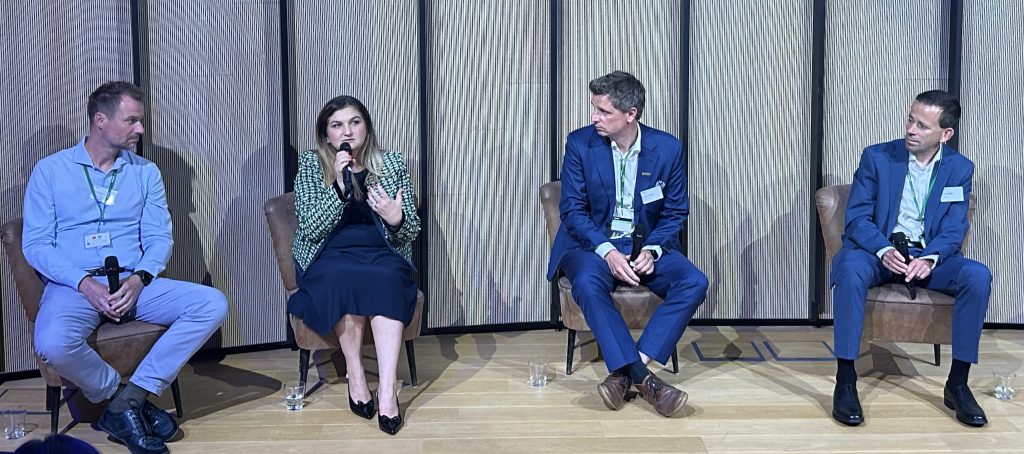
“There are more opportunities this year compared to last year and there is huge momentum in the sector”, said Yeliz Bicici, COO, Cofinimmo, during the ‘World of Investments: Opportunities and Markets’ panel.
The combination of a massive shortage of supply and a demographic time bomb is drawing investors to the senior housing and healthcare sector. As is often the case, the UK lead the field and other European countries are following.
“There is a wide range of capital already in the space and plenty more looking to come in”, said Michael Hodges, Managing Director Capital Markets, Christie & Co. “We have seen huge portfolio transactions in the UK, an investment activity which is largely due to the availability and transparency of data, which investors like.”
In some countries private equity capital is aggressively looking for distressed opportunities and has high returns expectations.
“We do see these investors in the German market, but achieving double digit returns is hard”, said Nikolai Schmidt, Head of Transaction Healthcare, Swiss Life Asset Management. “Finding cheap opportunities is not difficult, but adding value to these businesses is hard. You need time and experienced local managers, and not everyone is successful.”
The biggest problem is the different mindset and time horizon that private equity players tend to have.
“The timescale needed in the sector is an issue”, said Hodges. “You cannot get in and out in three or five years, it can often be a ten-year journey.” Focusing just on the financial metrics also overlooks the social impact aspect of investments in the sector, as it seeks to improve older people’s quality of life.
“In this market investors have to become good asset managers in order to be successful and they must have a longer-term horizon”, said Bicici. “For it to be a good deal, all the KPIs need to align and make sense: you need a high-quality operator, a good building and the prospect of good returns.”
When choosing what assets to buy, existing assets are preferable to developing new buildings for various reasons, experts agreed.
“There are huge opportunities in improving and redeveloping assets in the sector”, said Bicici. “Continuing to build new assets is not sustainable and often not practicable. Asset managers need to realise the potential of existing assets.”
Permits for new-builds are harder to get, construction costs are higher, so it makes sense to look at what you have in your portfolio, Bicici said: “There is a lot of potential that is not being recognised, but you need the right team to choose the right assets. There are opportunities everywhere, but you need local talent to spot them.”
There tends to be a two-tier market: some assets can be upgraded by adding solar panels and other features, which also makes them more energy efficient and therefore cheaper to run, while other, older assets are seen as unimprovable.
“The best opportunities are in existing stock, as development is challenging, but they must be assets no older than five years”, said Schmidt.
There is a strong case to be made for redevelopment, focusing on energy efficiency or ESG box-ticking or just on the cost-saving aspects. “Institutional investors love a renovation project”, said Kasper Wehner, Investment Director Denmark, Northern Horizon. “We have done that with obsolete military buildings and Danish pension funds have come on board with the funds. Public-private partnerships in this space are possible and are happening.”


