

SHHA Summit: creating the living-care-cure continuum
Getting rid of silos and creating integrated systems that span senior housing, care homes and medical care is the way forward, experts agreed at at the fourth SHHA Summit, organised by the Senior Housing & Healthcare Association in partnership with Real Asset Media and hosted by Deloitte at their Brussels offices.
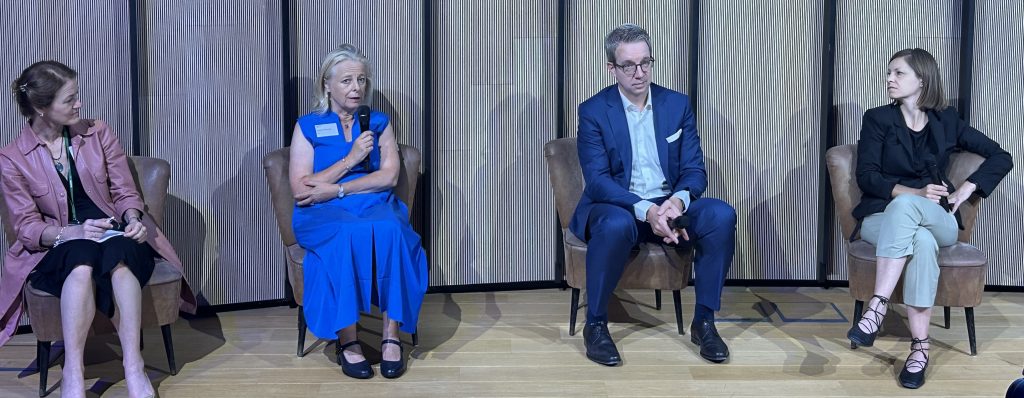
“From our perspective, integrated care campuses are an attractive proposition, bringing all three aspects into one place,” Raoul Thomassen, COO of Aedifica, told the panel discussion titled ‘From silos to systems: making the living-care-cure continuum work’.
Having all three in one location has obvious advantages for people who do not have to relocate as their needs change, but it is also good for efficiencies and economies of scale.
Unfortunately, Thomassen said, “there is no supply of integrated campuses that combine independent living, care homes and medical care, and the economic climate is not helping with developing these facilities. We need to attract partners on the operational side.”
The situation varies from country to country, but there is capital available, said Candice Blackwood, partner at CMS: “We need to move the market quickly, but in the UK public-private partnerships are working. Nuffield and other private companies are working hand in hand with the National Health Service and, for example, oncology at home is becoming common.”
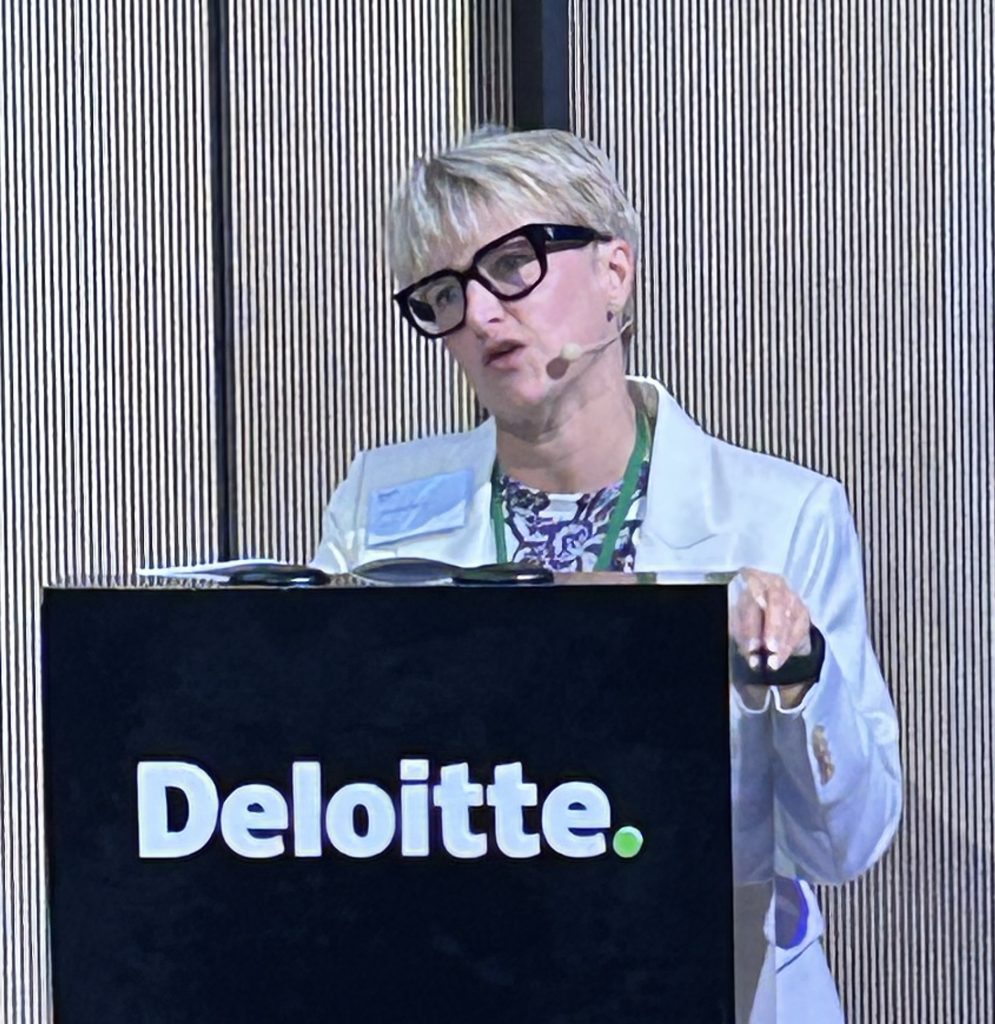
Integrated systems are also about quality of life for residents. “Care homes should not be separate because it is much better to bring medical expertise into the care home rather than taking the patient to hospital,” said Tessa Van Montfort, director of Monitor Deloitte. “This results in less hospital admissions, but it also helps the patients to be treated in their environment where they feel most comfortable. It is about bringing the community care aspect into the picture.”
Now insights have to be translated into practice and the pace needs to be stepped up. “We must look at the full operating model of care and scale it up, which also means sharing electronic medical records,” said Van Montfort.
The senior housing and healthcare sector has changed, and owners and operators need to come together to address the new challenges and deliver the solutions that people need.
“You need to be ready to change your investment priorities as the sector evolves and needs change,” said Isabelle Clerc, deputy CEO and real estate director of Euryale. “But we need an evolution of the way we operate, rather than a revolution. We also need marketing tools to make the sector attractive, explain that senior housing is a preferable environment to living alone, often in inadequate housing. There are new ways of living our later lives.”
Creating a continuum that works also extends to end of life care which, panellists agreed, is not talked about enough.
“In Ireland we wanted a multi-functional building that could continue to work flexibly,” said Thomassen, so an entire floor of the care home is a dedicated hospice, in a resident-friendly setting.
“In the UK end-of-life care is largely run by the National Health Service in hospitals, which are not a good place to die, or by charities with no state funding at all,” said Blackwood. “I strongly believe there is scope for further investment in that sector, both in the UK and in the EU.”
After integrated care, this is the next challenge, said Amanda Nurse, co-founder of Carterwood, who chaired the panel: “It is difficult to get engagements on these topics, but we should all work towards making the last part of our life as positive and rewarding as possible.”


