

SHHA Summit: integrating housing, healthcare and support systems for seniors
Integrating housing, healthcare and support systems can improve outcomes, efficiency, sustainability and quality of life for older people, delegates heard at the fourth SHHA Summit, organised by the Senior Housing & Healthcare Association in partnership with Real Asset Media and hosted by Deloitte at their Brussels offices.
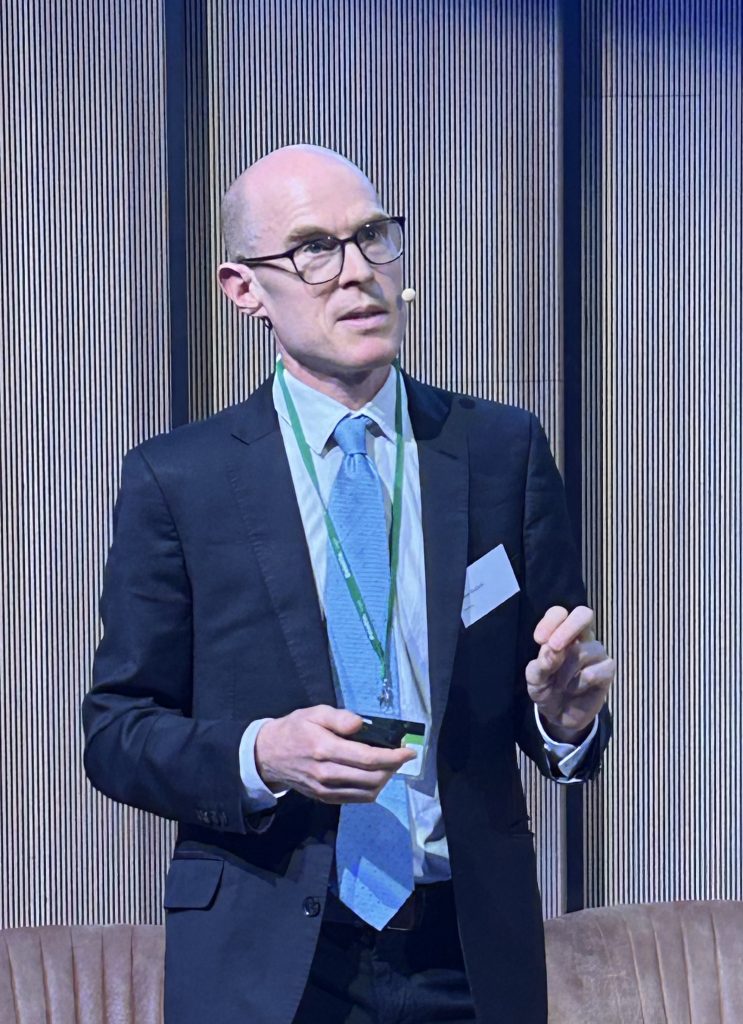
“All EU countries have not just a problem of affordability but also of inadequate housing and housing exclusion,” said Hans Dubois, senior research manager, social policies at Eurofound, in his keynote presentation on “Why good housing matters for ageing societies”.
According to research done by Eurofound, the European foundation for the improvement of living and working conditions, inadequate housing costs the EU €167 billion annually in health-related costs alone. “For every €3 invested, you would get a €2 pay-back in one year,” said Dubois.
Problems with accommodation range from lack of access to a balcony, garden or green space to noise from traffic or neighbours, from overcrowded and cramped conditions to poor insulation which leads to cold conditions in winter and overheating in the summer.
Housing problems affect people’s health and well-being, contribute to increased healthcare costs, labour shortages, reduced productivity (including of people close to those affected) and environmental damage.

The neighbourhood is as important as the home when it comes to quality of life, as living in a secure environment is crucial for older people. Neighbourhood problems can be physical, such as lack of light or clean air; social, such as not feeling safe in the house or in the street and feeling there is no local support, and they extend to local services, such as a lack of accessible shops or supermarkets or poor access to public transport leading to a sense of isolation.
Statistics show that older people are more likely to own their own home, but even senior home owners without a mortgage face problems and 25% of them cannot afford to heat their homes adequately, while only 26% have had their home retrofitted in the last five years.
“We must shift the focus from energy subsidies to reducing energy dependence,” said Dubois. “The right policy is reducing the household’s energy purchasing needs by massively advancing home insulation, solar panel installation and so on. It would be a triple-win policy: for household and EU financial resilience, for the health of the population, as it would result in cleaner air and fewer hospitalisations due to cold or heat, and for the environment.”
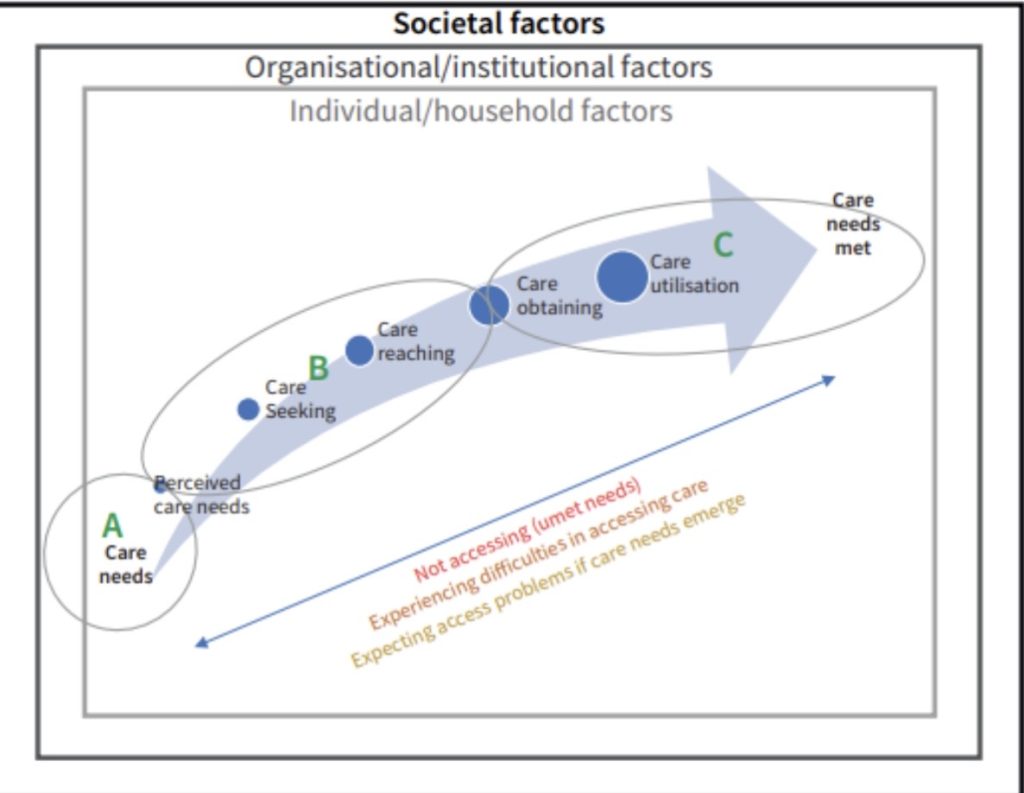
The solutions include increasing housing supply, renovating and building adequate homes, reducing the number of vacant dwelling and giving older people the benefit of long-term rent protection which means peace of mind.
The issue of mental health in young people has been widely addressed in recent years, Dubois said, but the fact is that older people face specific mental health risk factors, including inadequate living conditions and social exclusion yet they are badly represented in surveys.
“People over the age of 80, especially men, are at high risk of depression, and inadequate living conditions make the situation worse,” said Dubois. “We need to improve older people’s mental and physical health by improving living conditions and social inclusion. What is needed is a holistic coordinated approach.”


