SHHA Summit: ‘silver tsunami’ calls for longevity real estate
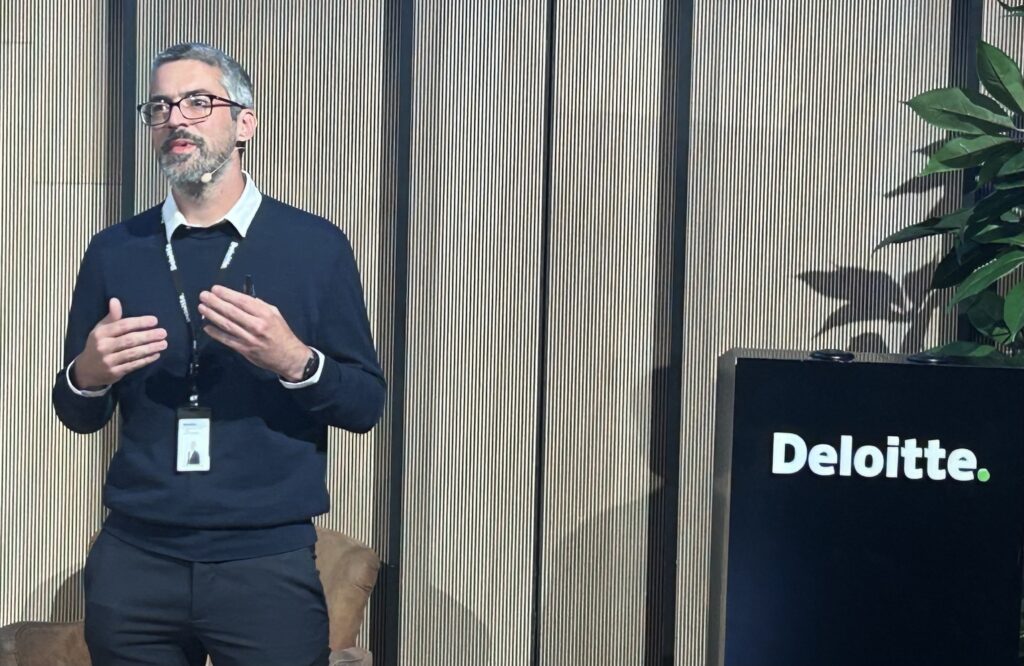
The property industry must adapt to demographic changes by making the longevity real asset class happen, delegates heard at the SHHA Summit. “Faced with a ‘silver tsunami’, the real estate sector must provide innovative solutions”, said Cédric van Meerbeeck, Senior Director Infrastructure & Real Estate, Deloitte. “It is a unique opportunity to create something that all ageing people can call home.”
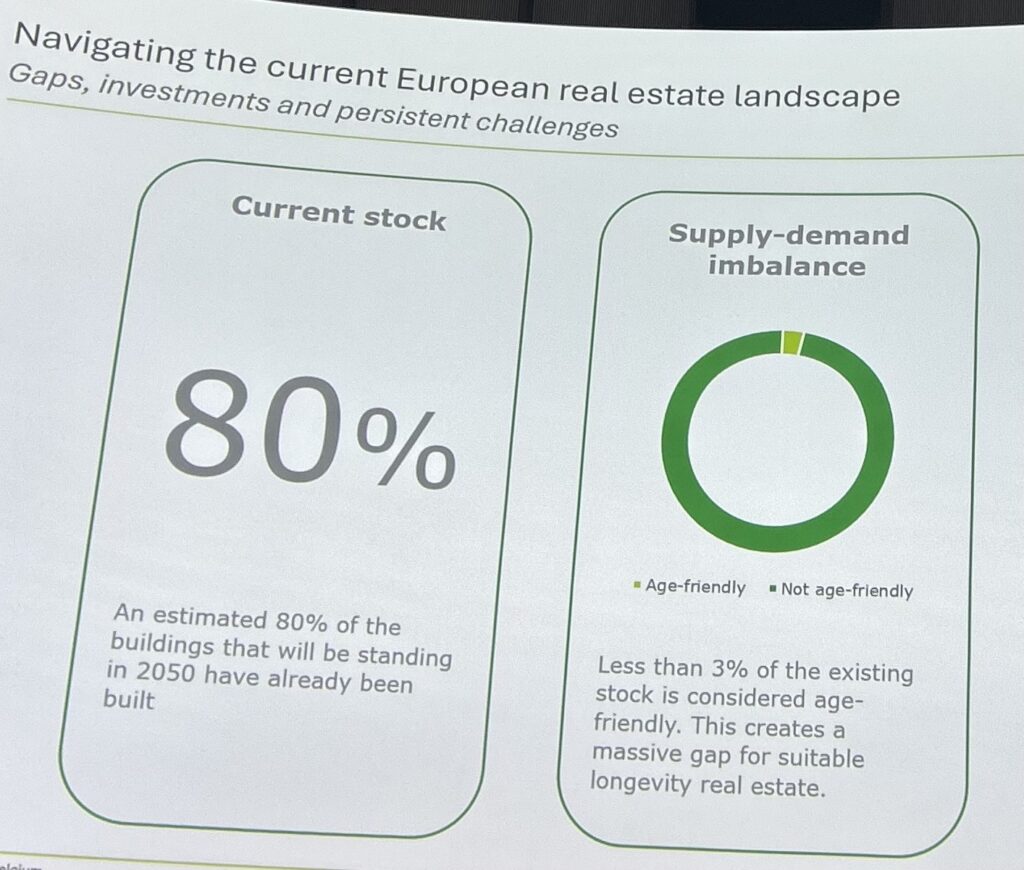
It is an opportunity but also a challenge, as 80% of assets that will be standing in 2050 have already been built, yet less than 3% of existing stock is age-friendly.
Adaptation of buildings is necessary, but difficult at present. The obstacles range from inflation to high building costs and from skills shortages to regulatory complexities, and they all delay the delivery of much-needed age-friendly real estate assets.
A combination of measures can help overcome these obstacles, said Meerbeeck: “Technology can help with delivery, but there must be incentives for companies to become active participants and building permits must be speeded up. The real estate landscape is not fit for purpose now, but EU deregulation is providing tailwinds for age-friendly and smart building adaptations.”
The EU’s three key approaches are liveability, sustainability and accessibility. Tech innovations are actively shaping the future of longevity real estate, moving from conceptual ideas to tangible applications, such as digital twins that reduce energy costs but also enhance residents’ experience by adapting to their needs.
“We must prioritise healthy ageing and real estate design has a key role to play in this”, said Meerbeeck. “It is not just about the individual building, but about its context. In order to achieve maximum impact, we must focus on better accessibility and on the community to prevent loneliness, which is becoming a social issue.”
By 2050 one third of the population in the European Union will be over 65 and the number of people over 80 will double, driving demand for specialised homes.
Progress is being made, with new options ranging from care homes to housing with care to home share to co-living to shared lives in an intergenerational context, where for example students pay lower rent but provide some services to senior people.
“New models are emerging to deal with the unfolding demographic imperative”, said Meerbeeck. “There’s a broad range of initiatives, often community-based and originating from people on the ground, because there can be no one size fits all approach to care.”
Longevity real estate is a diversified market that offers a spectrum of solutions tailored to different income levels, needs and desired levels of independence.
“There is a strong business case to be made, but it needs to cover six key aspects”, said Meerbeeck. “Develop innovative senior living models; leverage technology; provide seamless integration between housing and care; collaborate with public authorities, who decide what and where you will be able to build; implement community-centric approaches and accelerate the creation of age- and environment-friendly buildings. A proactive, visionary and collaborative approach is crucial.”