
IFC invests $80m in Porto Montenegro expansion, in a boost to the country’s tourism development plans
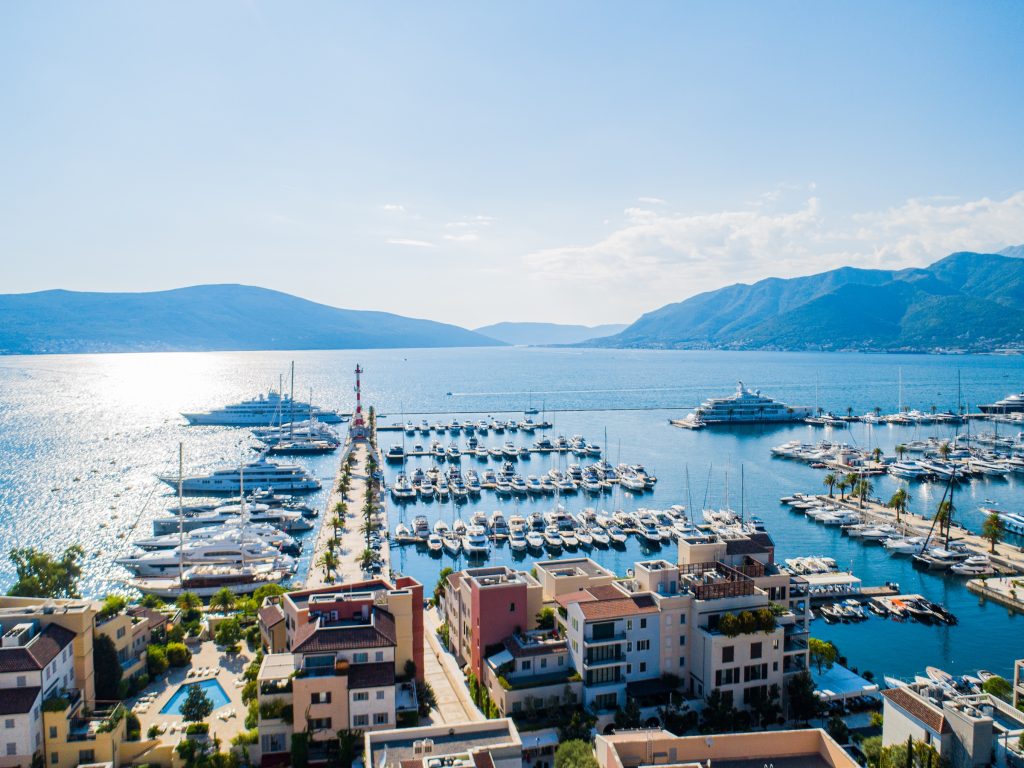
Porto Montenegro has secured an $80 million investment from the International Finance Corporation to support the next phase of development at the luxury waterfront destination and maritime services hub in Tivat.
The partnership between IFC, the World Bank Group’s private-sector arm, and Porto Montenegro developer Adriatic Marinas is expected to finance further development of the site while supporting job creation, local suppliers and additional investment in Montenegro’s tourism and maritime economy.
The deal is significant for a country in which tourism remains the dominant economic sector. OECD figures show that travel generated more than half of Montenegro’s service exports in 2024, while tourism revenues reached an estimated €1.5 billion. Wider estimates have placed the sector’s contribution at around a quarter of GDP and employment.
The proposed expansion will seek to broaden Porto Montenegro’s offer and generate more economic activity outside the traditional summer season. Reducing seasonality has become an important priority for Montenegro, whose tourism market is heavily dependent on overseas visitors: foreign tourists accounted for almost 96% of the country’s 15.4 million overnight stays in 2025.
“This collaboration with IFC reflects confidence in Montenegro’s long-term potential and in Porto Montenegro’s vision for future growth,” said David Margason, managing director of Porto Montenegro.
“It will support the next phase of development of Porto Montenegro, helping create economic opportunities, improve infrastructure, and deliver long-term value for local communities.”
Alongside the economic impact, the partnership will place an emphasis on environmental performance. The project is expected to promote internationally recognised building and environmental standards, including improved approaches to energy efficiency, water consumption and waste management.
That dimension is particularly important given Porto Montenegro’s location in the environmentally and culturally sensitive Bay of Kotor. The bay includes the UNESCO-listed Natural and Culturo-Historical Region of Kotor, recognised for the relationship between its historic settlements, architecture and surrounding landscape.
Tourism growth has brought increasing pressure to parts of the bay, including congestion, housing pressures and concerns about the impact of heavy visitor numbers on the marine environment. The emphasis on stronger environmental safeguards therefore gives the IFC investment a wider significance beyond the expansion of a single destination.
Wiebke Schloemer, IFC director for the Western Balkans and South Caucasus, said Porto Montenegro illustrated how private investment could strengthen the country’s tourism and maritime industries while also raising operating standards.
“By supporting year-round activity and expanding the range of services and opportunities available, this project can help create jobs, strengthen local supply chains, and contribute to the country’s long-term competitiveness,” she said.
Originally developed around a former naval base, Porto Montenegro has evolved into an integrated marina, residential, hospitality, retail and maritime-services destination. The IFC backing provides both growth capital and a prominent institutional endorsement as the development moves into its next phase.
For Montenegro, the investment also underlines the potential for large tourism and real-estate projects to deliver broader economic benefits when they are connected to local businesses, skills, infrastructure and environmental improvements rather than operating solely as seasonal resort developments.