

Flight to quality drives office fit-out costs higher across African markets
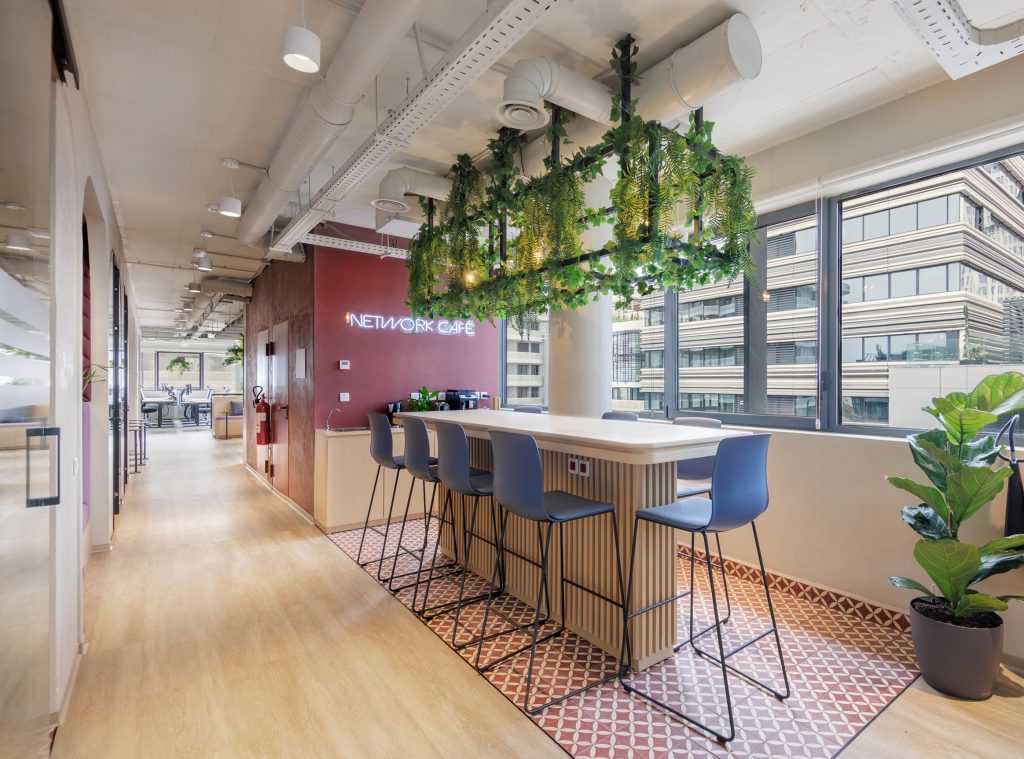
Growing demand for premium office space is pushing up fit-out costs across Africa, as occupiers increasingly prioritise high-quality, technology-enabled and sustainable workplaces, according to a new report from Turner & Townsend.
The Global Office Fit-Out Cost Guide 2026, which analyses 58 cities worldwide, highlights a continuing “flight to quality” as companies seek amenity-rich Grade A offices designed to foster collaboration, wellbeing and innovation. While the report focuses on Nairobi, Lagos and Johannesburg, Turner & Townsend says the same trends are evident across many of Africa’s leading commercial markets.
As hybrid working becomes entrenched, occupiers are placing greater emphasis on creating workplaces that attract employees back to the office. This is leading to demand for higher-specification, more flexible environments and increasing the complexity and cost of office fit-outs. Enhanced IT and audiovisual systems, soundproofing and digital infrastructure are becoming standard requirements for modern workplaces.
Global economic and geopolitical pressures are also affecting costs. Many African markets remain heavily dependent on imported materials and specialist equipment, exposing projects to currency volatility and higher import duties. Mechanical, electrical and plumbing systems in particular are subject to significant cost inflation.
Lagos emerged as the continent’s most expensive fit-out market, with high-specification office projects costing approximately $2,718 per sq m. Johannesburg, where premium fit-outs average around $2,026 per sq m, is experiencing pockets of tightening supply as multinational companies and call centre operators absorb Grade A space.
Unlike many mature markets, land and office stock availability are generally not constraints across Africa. However, demand is increasingly concentrated in well-located, higher-grade assets, with security and accessibility playing a decisive role in occupier decisions. Overall, many markets continue to experience subdued demand and an oversupply of lower-quality space.
“We are seeing the same global shifts in occupier expectations reflected across Africa’s office markets,” said Wendy Cerutti, head of real estate in Africa at Turner & Townsend.
“Organisations are placing greater emphasis on high-quality, amenity-rich spaces that support collaboration, wellbeing and performance. At the same time, the need to balance cost with long-term value is becoming increasingly important, particularly as projects become more complex and expectations continue to rise.”
Cerutti added that early engagement and strategic planning would become increasingly important as occupiers seek to optimise investment decisions.
Globally, New York regained its position as the world’s most expensive fit-out market at $5,886 per sq m, narrowly ahead of London, while Tokyo entered the top ten amid rising demand for Grade A space and constrained supply. Dublin recorded one of the largest increases in premium fit-out costs, climbing 12% year-on-year.
The report suggests that although Africa’s office markets remain characterised by abundant supply overall, demand is increasingly focused on premium assets, mirroring trends seen in more mature global markets and reinforcing the growing importance of quality, flexibility and technology in workplace design.


