

The science of merging talent and capital
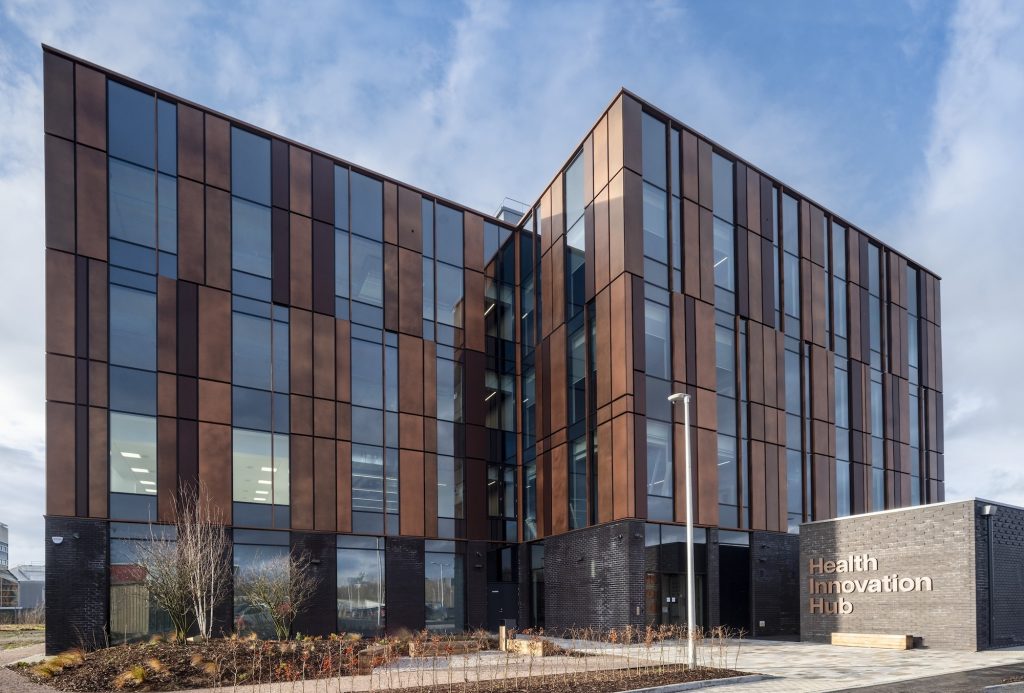
Successful innovation clusters need a blend of universities providing research and talent, infrastructure enabling scientific work, and a concentration of companies to commercialise innovation.
Across Europe, ‘innovation districts’ are proliferating, but not all are created equal. While many promise to replicate the success of Silicon Valley or Cambridge, only a handful develop into genuine ecosystems capable of attracting talent, capital and long-term investment.
For Steijn Ribbens, CEO of Kadans Science Partner, the difference is clear. “A real cluster needs strong fundamentals,” he says. “Without that, it’s just a label.”
Kadans, which operates 32 campuses across six European countries, has built its business around supporting science and innovation environments and setting them up for long-term success. That means looking beyond buildings to the underlying dynamics that make clusters work.
“Although we are a real estate developer and long-term investor, we hardly ever talk about real estate,” Ribbens says. “It’s a product you deliver to serve your clients.”
Instead, the focus is on creating ecosystems where research, talent and capital converge. At the centre of this approach is the classic “triple helix” model: universities providing research and talent, infrastructure enabling scientific work, and companies clustering together to commercialise innovation – supported by public sector frameworks.
Where these elements combine, visibility follows, and with it, investment. “Once a cluster identifies itself, it attracts capital and private sector activity,” says Ribbens. “Over time and with the correct nurturing it becomes self-reinforcing.”
Academic institutions
Proximity to strong academic institutions remains a critical anchor. Many of Kadans’ most successful locations are closely linked to leading universities, research institutes or medical centres, ensuring access to talent and innovation pipelines. But the nature of innovation is evolving rapidly. “What we increasingly see is that innovation happens at the edges,” Ribbens says. “Life sciences intersect with AI, quantum and other technologies. That’s where the most interesting developments are taking place.”
This convergence is reshaping how and where innovation zones develop. While traditional science parks were often located on the outskirts of cities, today’s clusters are becoming more urban and integrated. Collaboration, access to talent and quality of life are all pushing development closer to city centres.
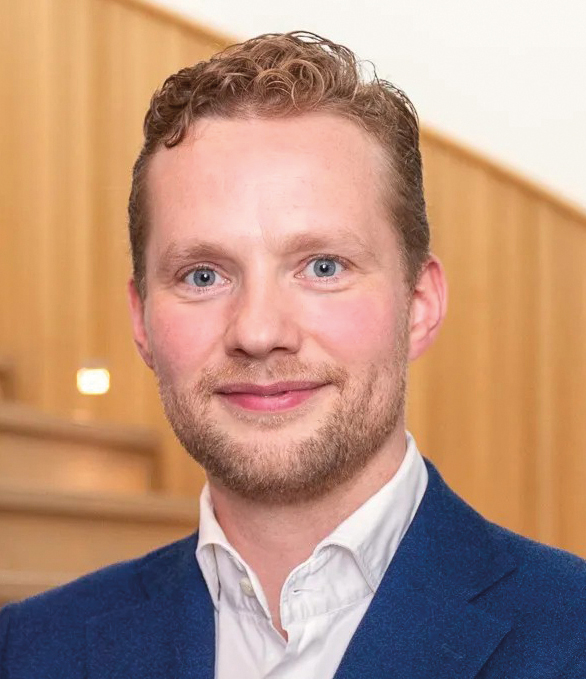
“You need a clear specialisation. Offering lab space alone is no longer enough. You need an innovative hook that builds a barrier to entry.”
Steijn Ribbens, Kadans Science Partner
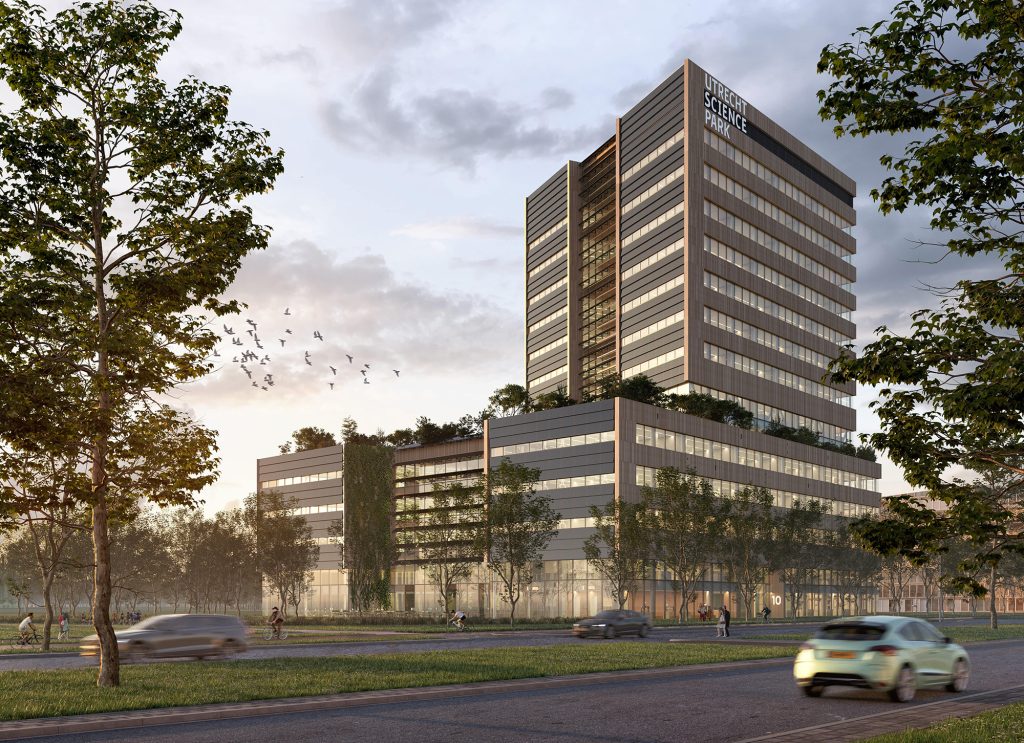
Kadans’ portfolio reflects this shift. Alongside established hubs such as Leiden Bio Science Park and Utrecht, newer developments are emerging in major cities including London and Paris. In France, the Paris Saclay Cancer Cluster – developed in partnership with Gustave Roussy Hospital – is building a full-service ecosystem around oncology, from research to clinical application.
Elsewhere, Wageningen in the Netherlands demonstrates how specialisation can underpin success. Focused on agritech and anchored by a world-leading university, the cluster has attracted major corporates such as Unilever, despite its relatively low profile internationally.
For Ribbens, this highlights a key point: successful innovation zones are defined not by scale, but by focus. “You need a clear specialisation,” he says. “Offering lab space alone is no longer enough. You need an innovative hook that builds a barrier to entry.”
Increasingly important concept
That distinction is becoming increasingly important as the concept of innovation districts gains popularity. Many projects adopt the label without the necessary foundations – such as access to capital, a pipeline of startups and strong institutional backing – to achieve critical mass.
Scale and timing also play a role. Ribbens suggests that around 30,000 sq m of commercial space is typically required to create a self-sustaining cluster, with a mix of early-stage companies and more mature occupiers. This, combined with other innovation anchors, allows for economies of scale. In the current market environment, investors are also favouring established locations where growth trajectories are already visible and the cluster comes with a history and track record.
“There is a clear flight to quality,” says Ribbens. “Capital is focusing on core locations with liquidity, demand, high sustainability requirements and proven ecosystems.”
Concurrently, the sector itself is evolving. The rise of data-driven science is increasing demand for hybrid wet and dry lab areas, while issues such as data sovereignty and supply chain resilience are influencing location decisions.
Despite broader economic headwinds, Ribbens is positive about the outlook. Leasing activity has strengthened since late 2025, and the development model is becoming more disciplined.
“We’re seeing more collaboration, more phased development and stronger public-private partnerships,” he says. “That leads to more sustainable clusters.”
Ultimately, the success of innovation zones comes down to clear alignment between research, infrastructure, capital and policy. Where those elements come together, clusters can grow organically and attract long-term investment.
“In the end, if you support innovation in the right way, it accelerates. And that’s what creates lasting impact,” Ribbens says.
