

Public and private sector leaders drive Seychelles’ investment and economic transformation
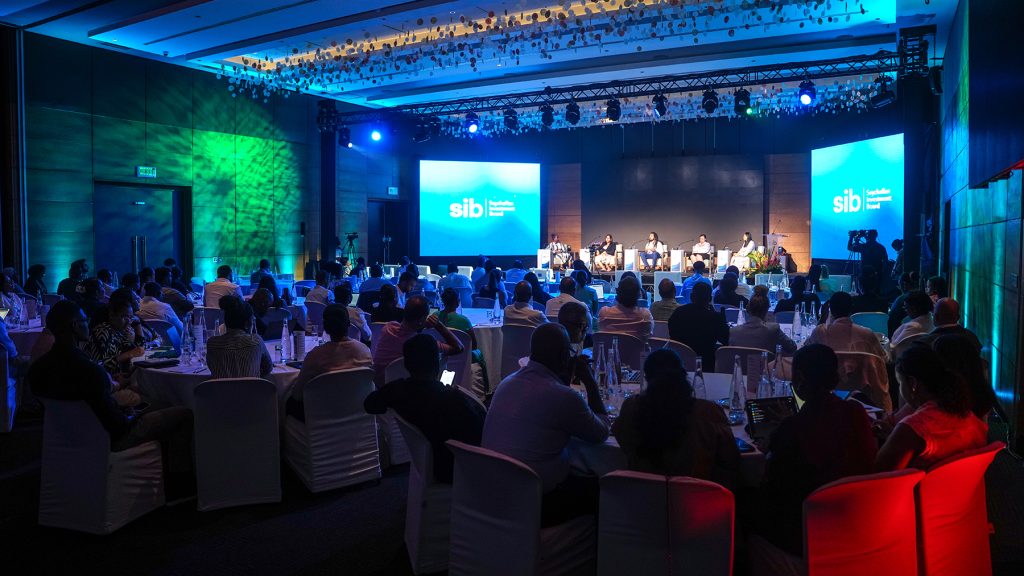
The Seychelles Investment Forum put economic diversification and new sources of capital at the heart of the country’s investment agenda.
As Seychelles looks to broaden the sectors and sources of capital underpinning its economy, investment readiness, alternative finance and greater public-private collaboration emerged as central themes at the Seychelles Investment Forum 2026.
The forum, held in Mahé on 13 August by the Seychelles Investment Board (SIB), brought together government officials, investors, private sector representatives, development partners and industry experts to discuss the country’s investment climate and the financing of future growth. It was held under the theme Public-Private Dialogue for Investment and Economic Transformation: Catalysing Partnerships, Driving Prosperity.
The discussions come as the Indian Ocean island economy considers how to reduce its reliance on established industries while attracting capital into new areas of economic activity.
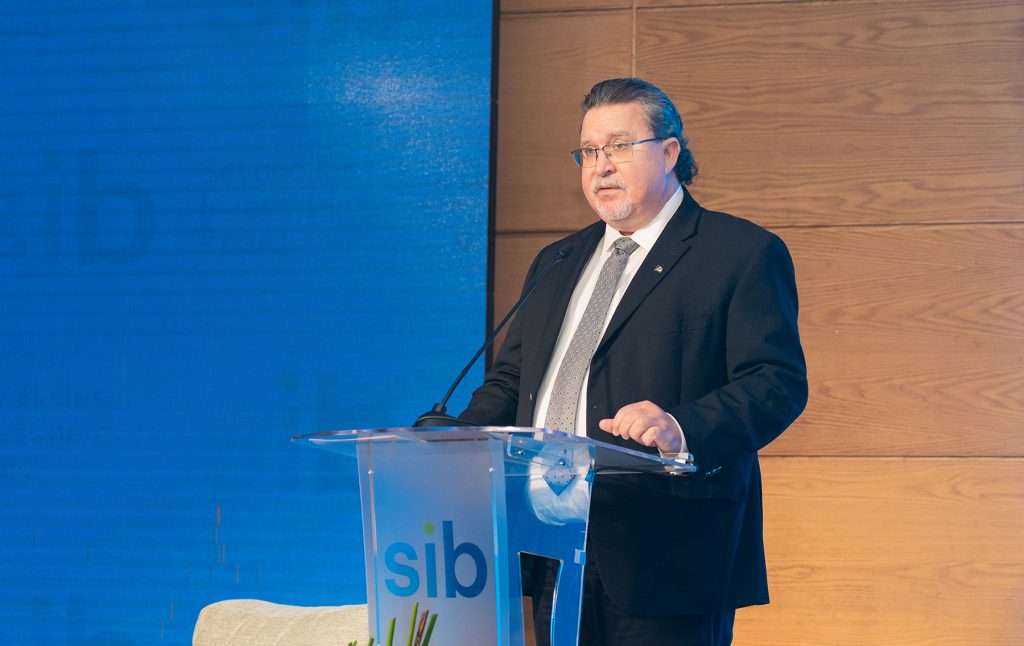
SIB chief executive Anne Rosette used her opening presentation to highlight both the strengths and constraints of the current investment landscape. Tourism remains the leading investment sector, but the presentation pointed to a gradual broadening of activity into professional services, ICT and communications, healthcare, manufacturing, transport and storage.
It also identified renewable energy, the circular economy, agriculture, arts and entertainment and health and wellness among areas offering potential for further development.
Financing constraint
Financing, however, remains an important constraint. Seychelles has a predominantly bank-led financing system, and SIB highlighted high collateral requirements, lengthy processes and the cost of borrowing among the obstacles facing businesses, particularly SMEs and younger companies. The forum therefore put considerable emphasis on how Seychelles could diversify its sources of capital alongside its economy.
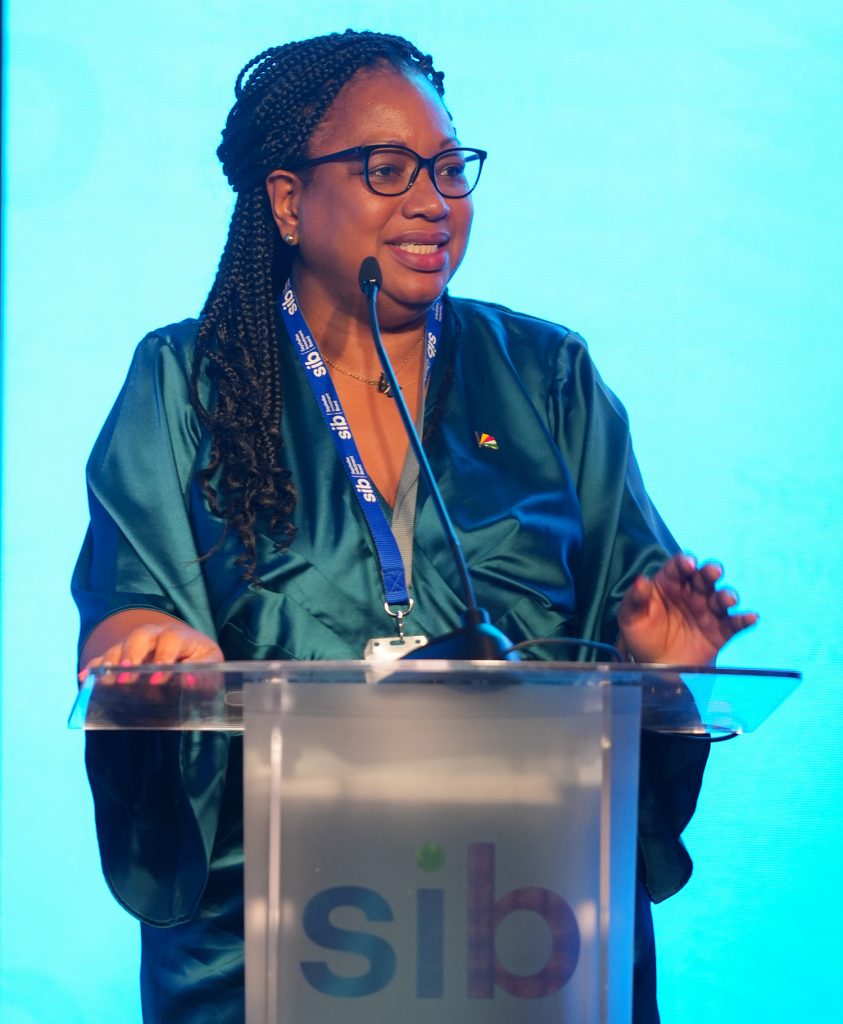
Opening the event, Pierre Laporte, minister for finance, economic planning, trade and investment, said the country’s approach to investment would need to evolve.
“We must look beyond traditional sectors and continue to identify emerging opportunities that can strengthen the resilience of our economy, create quality employment, encourage innovation and generate value for future generations,” he said.
Minister Laporte also acknowledged the importance of the investment environment itself, saying Seychelles needed to continue reforms aimed at improving the ease and cost of doing business. The government’s role, he said, was to provide effective regulation, transparent processes, infrastructure and a predictable business environment, while private investors could bring technology, expertise and access to new markets.
From bankability to blue economy
One of the forum’s central discussions focused on the fundamentals of project bankability and how Seychelles can develop a stronger pipeline of investment-ready projects capable of attracting finance.
That question is particularly relevant as the country looks towards sectors that may require different financing models from those traditionally used by established tourism and property businesses.
The blue economy featured prominently, with a session examining how circular-economy approaches could create greater value from Seychelles’ ocean resources while improving resilience. Venture capital was also explored as a potential source of funding for entrepreneurs and businesses in a small island economy.
A further discussion considered fintech, private capital and digital finance as potential drivers of diversification, including their role in expanding access to funding and sup-porting business growth.
Renewable energy provided another major investment theme. The forum examined what would be required to accelerate Seychelles’ renewable energy ambitions towards 2030, including the investment, project development and partnerships needed to translate targets into deliverable projects.
For an island economy exposed to imported energy costs and climate risks, the intersection between energy security, sustainability and investment is becoming increasingly important. It also forms part of a wider effort to identify sectors capable of adding new sources of growth alongside tourism.
Minister Laporte said attracting greater volumes of capital should not be the sole measure of success. “Our goal should not simply be to attract more investment but rather to attract the right investment,” he said, calling for investment that contributes to Seychelles’ long-term prosperity and for greater collaboration between international investors and local businesses.
For SIB, the next challenge will be converting the forum’s discussions into investable propositions. The agency said it would continue working with government, businesses, investors and development partners to turn dialogue into action and strengthen the country’s investment proposition.
