

EV slowdown prompts industrial market reset as developers look beyond automotive boom
The rapid expansion of electric vehicle manufacturing that helped fuel demand for industrial real estate over the past several years is entering a new phase, as slower-than-expected EV adoption prompts manufacturers to reassess investment plans while broader market fundamentals remain resilient.
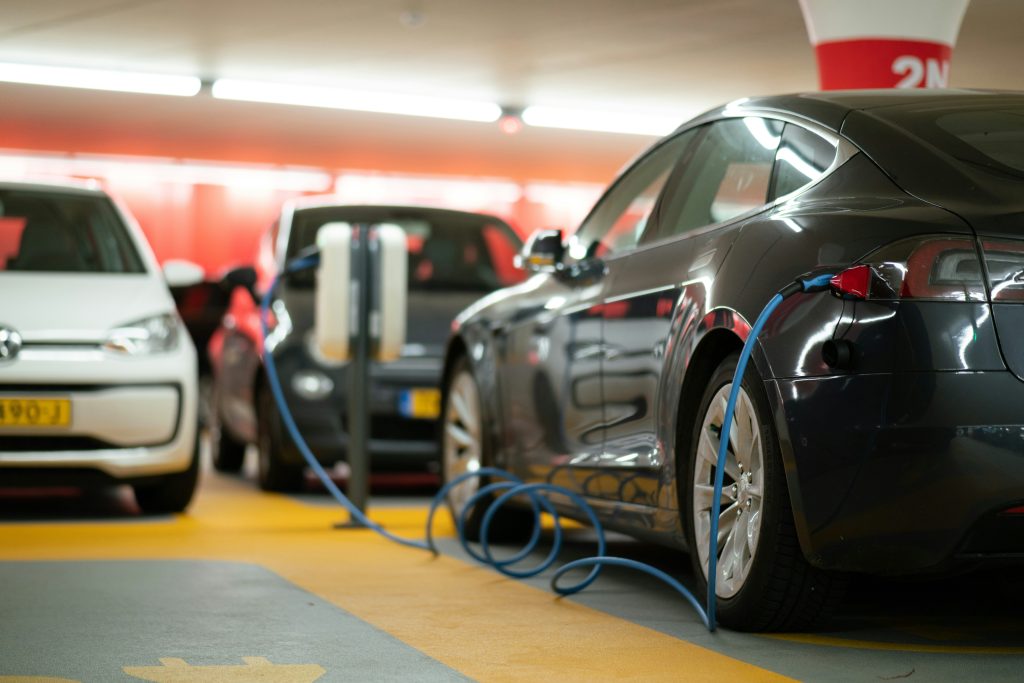
According to CommercialCafe’s July Industrial Report, the EV sector is adjusting to a more measured pace of growth following a period of rapid expansion, with manufacturers responding to softer demand, policy changes and evolving market conditions. However, continued investment in charging infrastructure suggests confidence in the industry’s long-term trajectory remains intact, even if the timeline has extended.
The report argues that this recalibration is reshaping industrial real estate rather than undermining it, as developers increasingly diversify beyond EV-related demand and focus on a broader range of advanced manufacturing, logistics and distribution occupiers.
Across the US industrial market, fundamentals remained relatively stable despite signs of moderation. Average in-place industrial rents reached $9.20 per square foot in June, up 5.3% year-on-year, although the double-digit rental growth seen in recent years has become increasingly uncommon. Meanwhile, the national industrial vacancy rate held steady at 9.1%, rising by just 10 basis points from a year earlier as the pace of new supply continued to ease.
Development activity also showed signs of returning to more sustainable levels. Around 399.5 million square feet of industrial space remained under construction nationwide, equivalent to 1.9% of existing inventory, reflecting a continued slowdown in new project deliveries following the record pipeline of recent years.
Investment appetite for industrial assets remained healthy. Year-to-date industrial transaction volumes reached $40.7 billion, with properties trading at an average price of $141 per square foot, underlining continued investor confidence in the sector despite a more challenging operating environment.
Regional markets continued to display varied performance.
Atlanta strengthened its position as one of the country’s leading development hubs, with its industrial construction pipeline expanding to 18.4 million square feet, making it the third-largest industrial development market in the United States. New Jersey also recorded robust growth in development activity, with its pipeline increasing 24% month-on-month to 8.8 million square feet.
On the investment side, Chicago recorded one of the strongest performances, surpassing $2.1 billion in industrial sales year-to-date after a 39% month-on-month increase in transaction volume. Meanwhile, California’s Inland Empire continued to lead the nation for rental growth, with asking rents increasing 8.4% year-on-year to $12.42 per square foot.
The findings point to an industrial property market transitioning from the exceptional growth of recent years to a more balanced phase. While the cooling of EV manufacturing investment has tempered one of the sector’s strongest demand drivers, developers and investors continue to benefit from structural trends including supply chain diversification, advanced manufacturing and infrastructure investment, suggesting long-term demand for modern industrial space remains intact.


