
Foreign investment comes into focus for Tuscany’s superyacht cluster
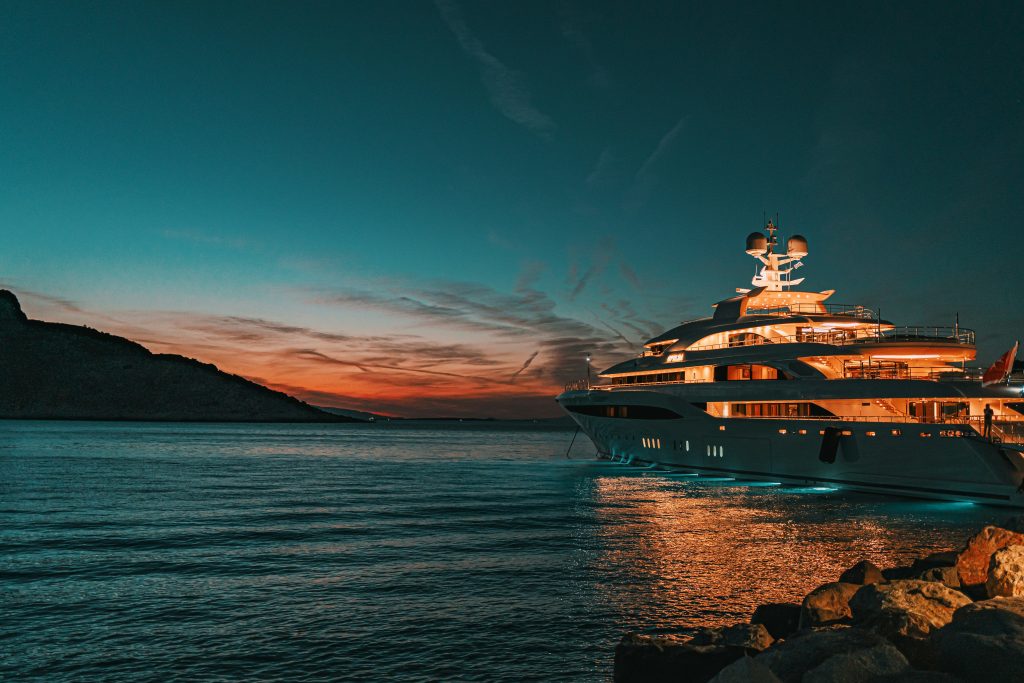
Home to 40% of the world’s custom superyacht production, Tuscany’s Viareggio nautical district is seeking international investment to help finance the technologies that will shape the industry’s future.
For decades, Italy’s Viareggio nautical district has been one of the country’s industrial success stories hidden in plain sight.
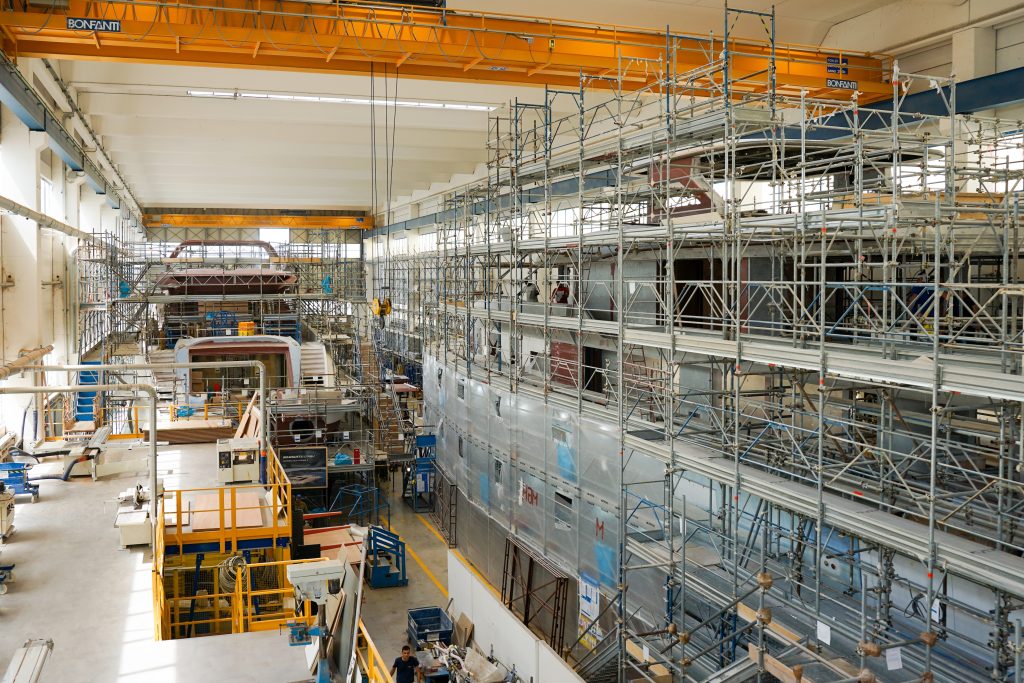
Stretching across the Tuscan coast from Viareggio to Pisa, Livorno and Massa-Carrara, the cluster builds around 40% of the world’s custom superyachts over 30 metres. It encompasses some 4,500 companies, employs around 22,000 people and generates annual revenues of approximately €4 billion. Exports reached a record €1.57 billion in 2024, extending a remarkable run of more than 20% annual export growth over the past four years.
Yet despite its global reputation, the district has remained overwhelmingly Italian-owned. That could now be changing.
Driven by the industry’s transition towards lower-emission propulsion, advanced materials and increasingly complex onboard technologies, the region is actively seeking international investment partners to help finance the next phase of its evolution.
“This is an industrial district that deserves to be better known from an investment attraction perspective, because it offers great potential for foreign companies,” says Filippo Giabbani, director of Invest in Tuscany.
“One of the most fascinating districts in Tuscany, where today the presence is mainly Italian, but there are great investment opportunities – particularly in new technologies such as circular economy, emissions reduction, and alternative propulsion systems.”
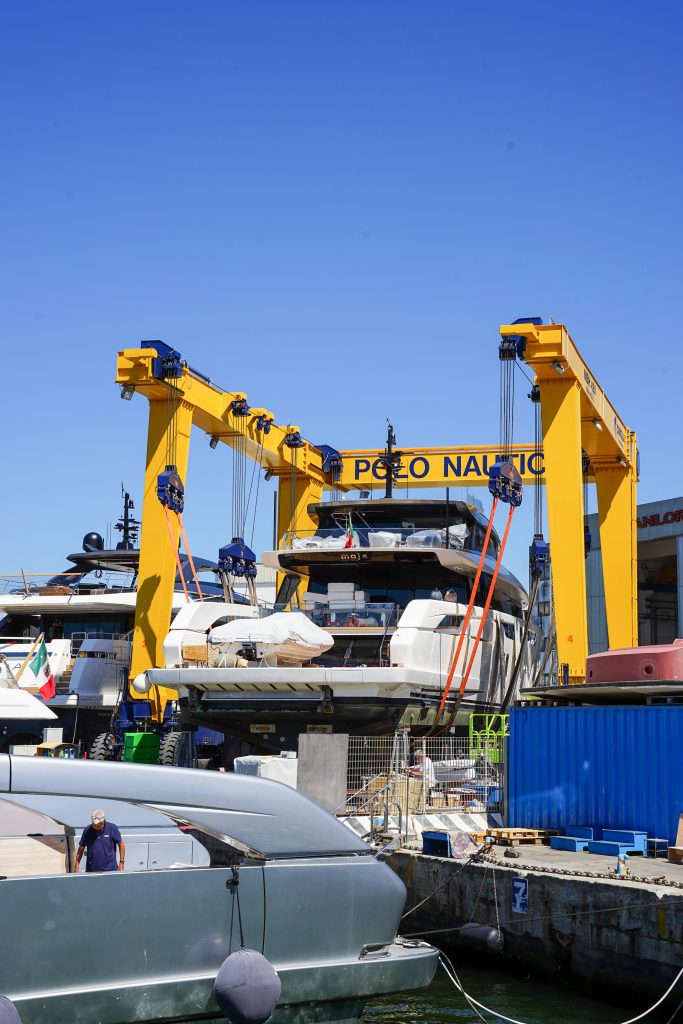
The shift reflects a broader trend affecting advanced manufacturing across Europe. While established industrial clusters possess deep engineering expertise and highly specialised supply chains, many now face substantial investment requirements as decarbonisation, digitalisation and automation reshape production processes.
In Viareggio, that challenge is particularly acute. Superyacht builders are investing in hybrid and alternative propulsion systems, lightweight materials, energy-efficient onboard technologies and circular manufacturing practices to meet evolving customer expectations and future environmental regulations. These investments often require capital and technological expertise that extend beyond the traditional capabilities of family-owned shipyards and specialist suppliers.
The opportunity extends well beyond yacht construction itself. Investors specialising in marine technologies, clean propulsion, advanced composites, automation, digital shipbuilding and sustainable materials could all find opportunities within one of the world’s most concentrated maritime manufacturing ecosystems.
The district also benefits from an exceptionally international customer base. Around 98% of yachts are sold to overseas buyers, with North America representing the largest market, followed by Greece, Turkey, the UK, the UAE and Germany. That global orientation has helped underpin strong export growth while reinforcing the region’s reputation for craftsmanship and engineering excellence.
The cluster is coordinated by Navigo, Italy’s largest nautical business network, which has played a central role in strengthening collaboration between shipyards, suppliers, research institutions and public authorities.
For foreign investors, the proposition is distinctive. Rather than creating a new industrial cluster from scratch, Tuscany is offering access to one of the world’s most established centres of high-value manufacturing at a moment when technological transformation is creating new investment needs.
As global demand for large custom yachts remains resilient, the next phase of growth may depend not only on Italian craftsmanship but also on international capital and technology partnerships capable of accelerating the industry’s transition towards a more sustainable future.