

Global trade reaches $35trn but rising fragility weighs on developing economies
Global trade expanded strongly in 2025, but mounting geopolitical and structural risks are clouding the outlook, according to the April edition of UN Trade and Development’s Global Trade Update.
The report finds that global trade in goods and services grew by $2.5 trillion in 2025 to reach $35 trillion, underscoring continued resilience in cross-border activity. However, the outlook is becoming increasingly uncertain.
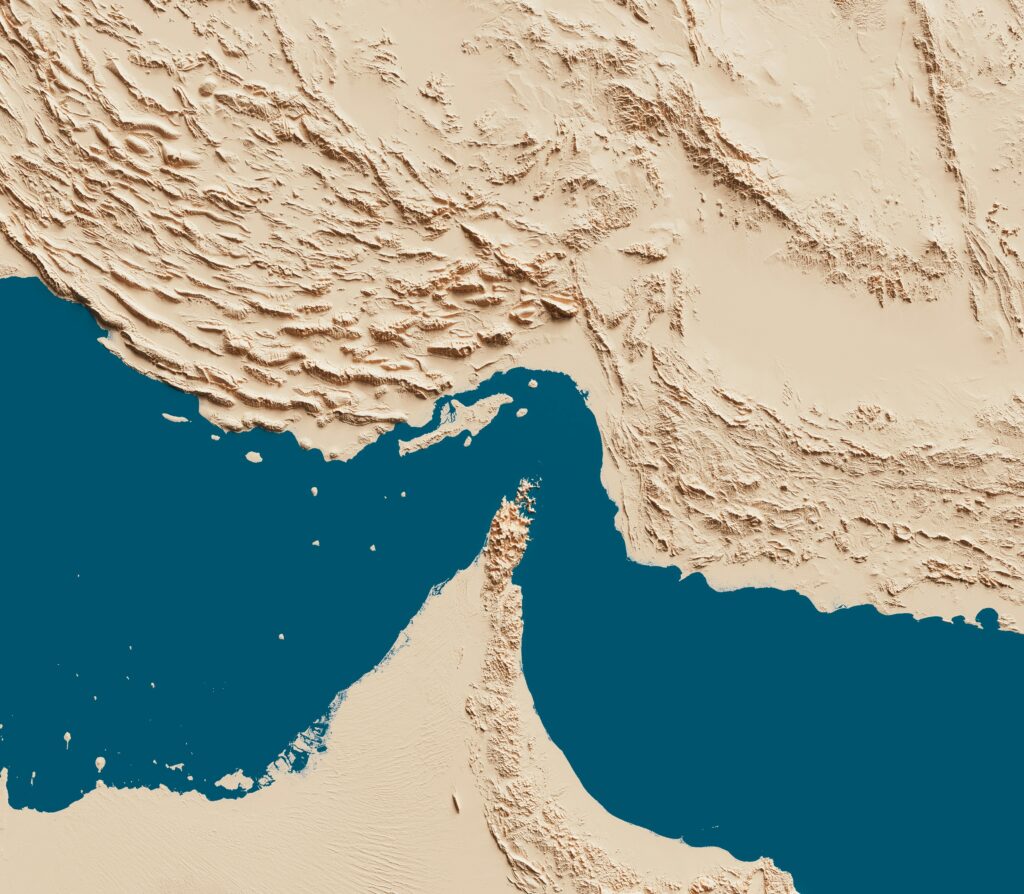
Escalating tensions in the Middle East, alongside shipping disruptions in the Strait of Hormuz, are affecting key energy flows and trade routes. These developments are raising transport and insurance costs, adding pressure to global supply chains and amplifying volatility in commodity markets.
For investors in real assets, these dynamics are highly consequential, as trade patterns underpin long-term investment decisions in infrastructure, energy, logistics and industrial ecosystems.
For developing economies, the impact of the volatility is particularly acute. Higher import bills, tighter financial conditions and limited fiscal buffers are constraining their ability to sustain growth and investment. Countries heavily reliant on energy imports or concentrated export structures face heightened exposure to these shocks.
At the same time, the report notes that trade growth remains uneven, with some emerging economies continuing to demonstrate relatively strong demand, helping to support global trade flows despite broader headwinds.
Structural challenges are also intensifying. The global trading environment is becoming more fragmented, with an increase in policy uncertainty and trade-restrictive measures. This trend risks undermining long-term investment decisions and slowing the integration of developing economies into higher-value segments of global value chains.
South–South trade continues to act as an important stabilising force, maintaining momentum even as demand in advanced economies softens. However, least developed countries remain marginalised in global trade, accounting for only a small share of total exports.
UNCTAD warns that without greater stability and coordination, trade’s role as a driver of development could weaken. A more predictable and inclusive global trading system—supported by effective multilateral frameworks—will be critical to sustaining growth.
As geopolitical tensions persist and supply chains adjust, the key challenge for policymakers and investors alike will be navigating a more complex and fragmented global trade landscape.


