

Hungary election signals policy shift and potential reset for investors
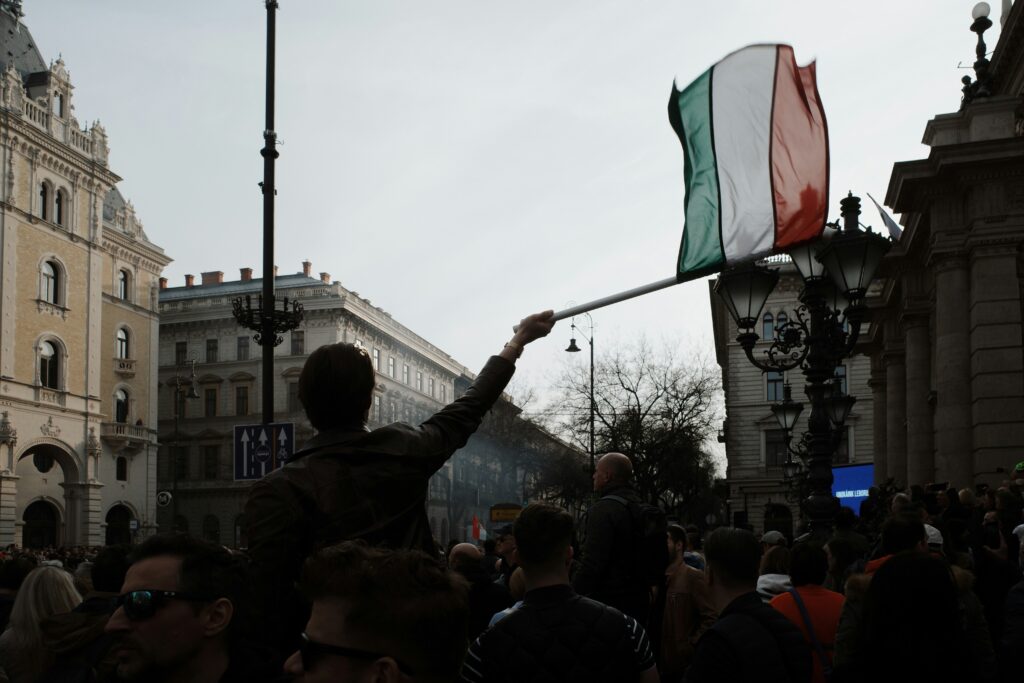
Hungary’s political landscape has shifted significantly following the election of a new parliament dominated by Péter Magyar’s TISZA Party, ending 16 years of rule by Viktor Orbán’s FIDESZ-KDNP coalition.
Magyar is expected to form a new government in the coming weeks, with early signals pointing to a substantial recalibration of economic and investment policy.
In a client briefing, law firm Lakatos Köves said the change in government could mark a broader repositioning of Hungary as an investment destination, particularly through renewed alignment with the European Union.
“One of TISZA’s priorities will be to re-establish co-operative relations with the EU… and to ensure the release of EU funds,” the firm noted, highlighting the importance of restoring confidence in Hungary’s commitment to rule-of-law standards.
The new administration is expected to maintain Hungary’s integration within European supply chains, but with a shift in emphasis. According to Lakatos Köves, TISZA is likely to move away from “large scale, subsidy intensive assembly projects” in favour of higher value-added investment in areas such as R&D and engineering.
At the same time, strengthening governance will be a key focus. The party has pledged “zero tolerance of corruption”, including plans to establish a new prosecutorial office and join the European Public Prosecutor’s Office. While this may lead to reviews of existing contracts, it could ultimately improve legal certainty for investors.
The firm also points to potential restructuring opportunities across parts of the economy previously linked to the government’s informal “System for National Cooperation”, which “has become a byword for cronyism and corruption”. Sectors such as telecommunications, banking, construction and hospitality could see increased competition and asset sales.
In parallel, the new government has promised to end discriminatory taxation and regulatory practices that have affected foreign investors in sectors including retail, utilities and telecoms.
Looking ahead, energy and infrastructure are expected to be key areas of investment. Hungary has committed to eliminating dependence on Russian energy by 2035, requiring significant investment in alternative supply, storage and transmission networks. Planned spending on transport, healthcare and education infrastructure is also likely to generate new opportunities.
While Lakatos Köves cautions that “it may take some time for investors to become comfortable” with the new policy direction, the shift towards a more rules-based, EU-aligned model could mark a turning point for foreign investment in Hungary.


