
Interpipe expands into EU with Romanian acquisition as nearshoring momentum builds
Ukrainian industrial group Interpipe has acquired a steel pipe facility in Roman, north-east Romania, marking a significant foreign direct investment move that underscores the region’s growing appeal as a nearshoring destination.
The company confirmed it has completed the purchase of the ArcelorMittal Tubular Products (AMTP) plant, with the transaction finalised on March 31, 2026.
The deal gives Interpipe its first manufacturing platform within the European Union, strengthening its footprint in key regional markets and positioning it closer to customers across Europe.
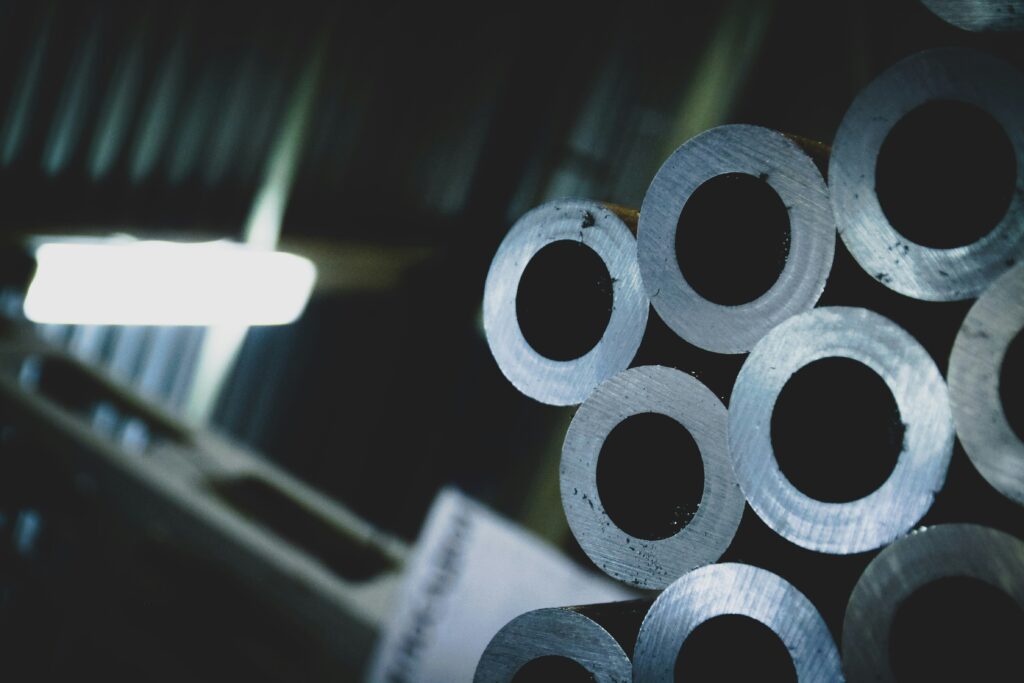
Located in Romania’s north-east — a region increasingly highlighted for its cost competitiveness and access to EU markets — the Roman facility produces seamless steel pipes for energy, construction and industrial applications, sectors that are central to Europe’s infrastructure and energy transition agenda.
For investors and developers, the move reflects a broader shift in industrial location strategy. Companies are seeking to diversify supply chains and reduce geopolitical risk by establishing production capacity within the EU, particularly in emerging regional hubs such as north-east Romania.
Interpipe said the acquisition will enhance supply chain resilience and improve operational efficiency by integrating the Romanian plant into its vertically integrated production network.
The investment also highlights the evolving role of industrial real estate in economic development. Existing manufacturing assets — particularly those with established infrastructure and skilled workforces — are becoming attractive entry points for international investors seeking rapid market access.
Romania’s industrial base is undergoing significant restructuring, with assets previously owned by ArcelorMittal being acquired by new investors, including Ukrainian groups, as the sector repositions to meet changing market dynamics.
For north-east Romania, such investments reinforce its positioning as a competitive destination for nearshoring, offering lower costs than western Europe alongside EU regulatory alignment and improving connectivity.
More broadly, the transaction illustrates how FDI is increasingly driven by strategic considerations around resilience, regional integration and proximity to end markets — with implications for where future industrial, logistics and infrastructure investment will be directed.
As Europe continues to rebalance supply chains, locations that can offer both industrial capacity and investment-ready sites are likely to see sustained interest from international manufacturers.