

US office sector faces $289bn refinancing test as cities compete for corporate investment
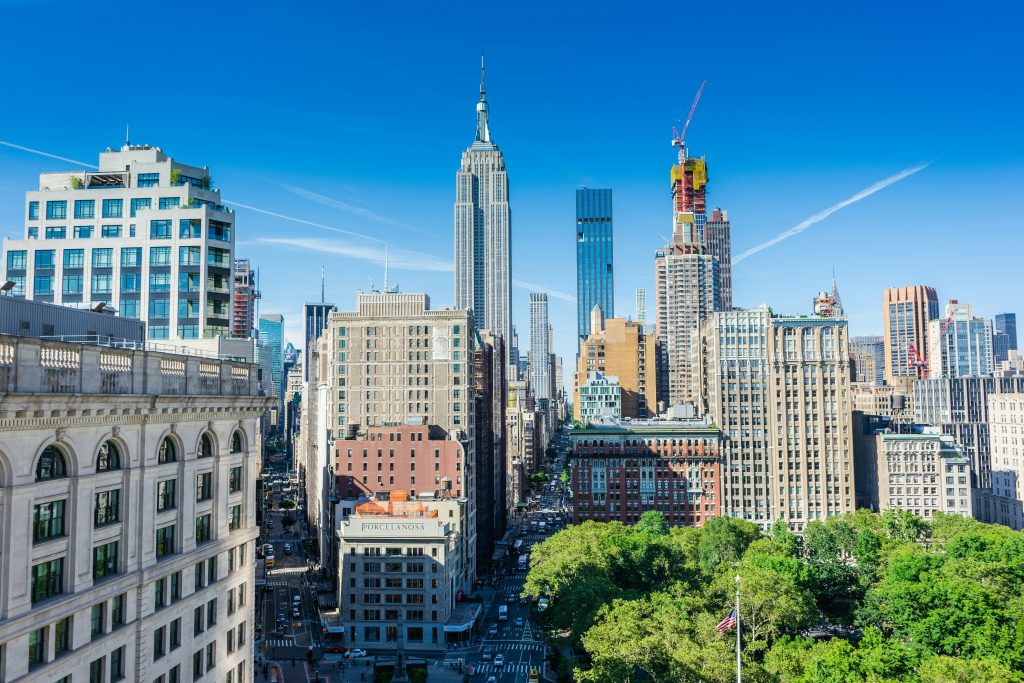
US office markets face a significant refinancing challenge over the next several years, with $289.2 billion in loans across approximately 14,000 properties having recently matured or scheduled to mature by the end of 2028, according to new research from CommercialCafe.
Nearly 59% of the loans originated before 2021, leaving many borrowers refinancing assets in a very different interest-rate and occupier environment.
The exposure is particularly significant in markets where office vacancy remains high. Markets with vacancy rates above 20% account for $61.6 billion of maturing loan volume, including $13.5 billion in the Bay Area, $12.6 billion in San Francisco and $8.3 billion in Seattle.
For cities seeking to attract corporate investment, the figures highlight the increasingly close relationship between FDI, economic development and real estate demand. New headquarters, regional offices, technology centres and other internationally mobile business functions can generate occupier demand, while the availability, quality and cost of suitable office space can itself form part of a location’s proposition to investors.
High vacancy therefore presents a more nuanced picture for investment destinations. While it places pressure on landlords and asset values, a substantial stock of available space can give cities the capacity to accommodate incoming and expanding companies without the constraints associated with tight property markets. The challenge is whether economic and investment growth can generate sufficient demand — and whether available buildings meet the increasingly exacting requirements of occupiers.
There are signs of improvement in the broader US office market. National vacancy stood at 17.8% in August, down 90 basis points from a year earlier, while average asking rents increased 1.7% to $33.20 per square foot.
Investment activity has also continued. Office sales approached $43 billion across 1,850 transactions in the first eight months of the year, with 11 of the 25 major markets analysed surpassing $1 billion in transaction volume.
Meanwhile, new supply remains relatively constrained. The national construction pipeline stood at approximately 32.4 million square feet, with Manhattan, Boston and Dallas the only markets with more than 3 million square feet under construction. Together, the three accounted for more than 32% of the national pipeline.
The combination of limited construction and improving vacancy provides some support for existing assets, but the scale of upcoming loan maturities means financing conditions will remain an important influence on the sector.
It also puts greater emphasis on underlying economic and occupier demand. For US cities competing for domestic and international corporate investment, attracting new business operations and expansions can help absorb available space and support regeneration of office districts. At the same time, investors making location decisions may find greater choice — and potentially more favourable occupancy costs — in markets where office availability remains elevated.


