

UNCTAD warns geopolitical shocks threaten investment and infrastructure outlook
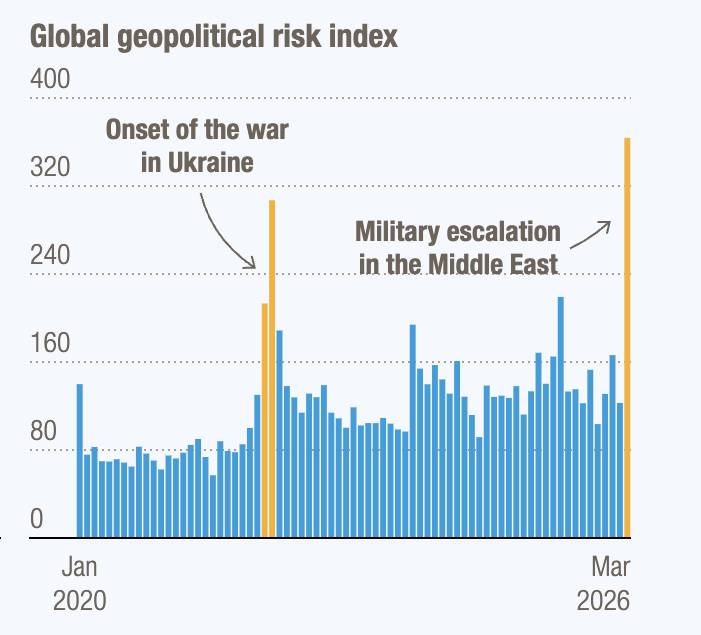
Rising geopolitical tensions, higher energy prices and growing financial volatility are creating new risks for global investment and real asset markets, according to UN Trade and Development (UNCTAD).
In its latest Trade and Development Foresights report, UNCTAD warns that the global economy is entering a more fragile phase, with supply disruptions, food security concerns and tighter financing conditions threatening growth and long-term investment. Global growth is expected to slow from 2.9% in 2025 to 2.6% in 2026 as higher transport costs, market uncertainty and a flight to safe assets weigh on economic activity.
While trade and industrial production entered 2026 with resilience, supported in part by AI-related investment, geopolitical risks are increasingly replacing trade tensions as the dominant source of instability. The report points to energy disruptions and higher shipping costs as key pressures that could ripple through supply chains and capital markets.
For investors and owners of real assets, the implications extend well beyond trade flows. Rising costs for energy, logistics and financing could delay infrastructure projects, industrial developments and manufacturing investments, particularly in emerging markets.
UNCTAD notes that developing economies are especially vulnerable to capital outflows and tighter borrowing conditions, potentially undermining investment in transport infrastructure, industrialization and the energy transition. Smaller and more import-dependent countries face additional pressure from rising food and fuel costs, increasing the risk that governments divert resources away from long-term investment priorities.
At the same time, the report suggests that sectors linked to energy security, logistics resilience and clean technologies could benefit from shifting investment patterns. Strengthening infrastructure, expanding renewable energy capacity and building more resilient supply chains are identified as critical priorities for reducing exposure to future shocks.
The warning comes as investors are increasingly focused on geopolitical risk when evaluating projects and locations. In recent years, supply chain resilience and energy security have become central themes shaping decisions around manufacturing facilities, logistics hubs and strategic infrastructure.
UNCTAD argues that predictable trade rules, stronger financial safeguards and accelerated investment in clean energy and critical technologies will be essential to maintaining growth and avoiding a more severe slowdown.
The report also highlights the growing importance of financial conditions in determining trade and investment outcomes. As capital becomes more selective and borrowing costs remain elevated, countries competing for foreign direct investment may need to place greater emphasis on policy stability, infrastructure quality and resilience.


