

Wealthy Americans increasingly seek second citizenship as global uncertainty reshapes mobility strategies
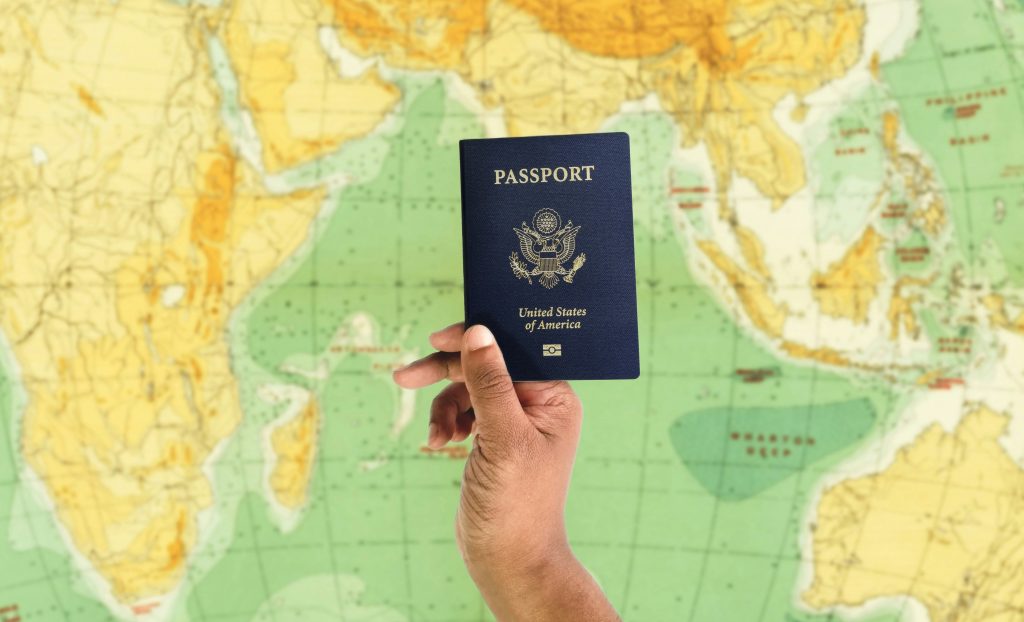
High-net-worth Americans are increasingly incorporating second citizenship into their wealth and family planning strategies, according to the World Citizenship Report 2026, which found that US nationals now account for 21% of all citizenship-by-investment applications worldwide.
Published by London-based government advisory firm CS Global Partners, the report points to a sharp rise in demand among affluent Americans amid growing concerns over geopolitical tensions, economic uncertainty and policy volatility. Inquiries from US citizens regarding citizenship-by-investment programmes rose by 183% in early 2025, making Americans the largest source market in the investment migration industry.
According to the report, the shift reflects a broader transformation in how wealthy individuals approach long-term security and opportunity in an increasingly multipolar world.
“The findings of WCR describe a new equilibrium as 71.6% of mass affluent individuals are more inclined towards alternative citizenship, while only 2.7% are less inclined. Citizenship planning is no longer a contingency; it is the default setting,” said Micha Rose Emmett, CEO of CS Global Partners.
While political uncertainty and economic headwinds have contributed to the trend, the report suggests that access to a higher quality of life, family security and greater mobility have emerged as the primary drivers. Only 33.5% of high-net-worth individuals surveyed expressed confidence that their existing citizenship alone would provide sufficient opportunities and protection in the future.
As a result, wealthy families are increasingly viewing jurisdictional diversification as part of a broader wealth preservation strategy. Rather than being driven solely by concerns over political instability, affluent investors are integrating access to multiple jurisdictions and economic systems into long-term planning aimed at enhancing resilience and expanding opportunities.
The report also highlights concerns surrounding tariff-driven inflation, policy shifts and slowing economic growth, warning that sustained trade tensions could weigh on the global economy in the years ahead. These factors, combined with ongoing geopolitical conflicts, are prompting many wealthy individuals to reconsider reliance on a single jurisdiction.
According to the report, 71.6% of mass affluent individuals globally are now considering acquiring an additional citizenship or residency as a response to evolving global events. This reflects a significant shift from previous decades, when alternative citizenship was largely viewed as a contingency measure rather than a core component of wealth management.
The growing demand has important implications for investment migration destinations, many of which are increasingly positioning themselves as providers of stability, mobility and lifestyle benefits rather than simply tax or residency advantages.
As geopolitical fragmentation and economic uncertainty continue to reshape the global landscape, the report suggests that alternative citizenship is becoming less of a luxury and more of a strategic asset for internationally mobile high-net-worth individuals.


