

Seychelles looks to ramp up solar power to meet energy targets
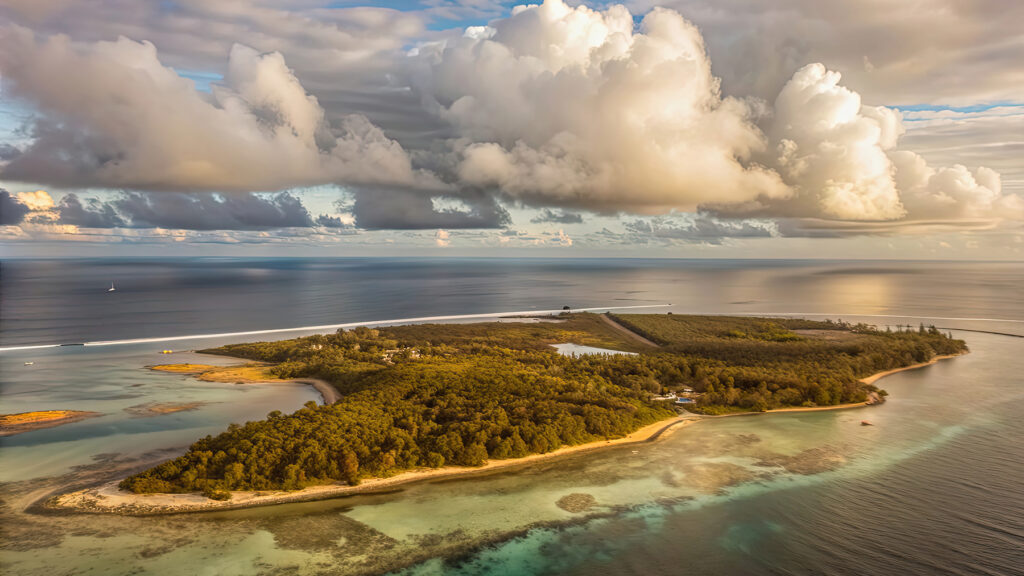
Seychelles has set out an ambitious energy transition pathway with policies and incentives designed to attract investment into its renewables market.
As a small-island developing state with ambitious climate goals and a growing energy demand, Seychelles is positioning renewable energy as a strategic pillar of its economic and sustainable development agenda. For international investors, the country offers a compelling combination of strong policy commitment, clearly defined investment models and measurable impact outcomes – particularly across solar and alternative energy solutions.
Seychelles has set out an ambitious energy transition pathway. The government aims to increase the share of renewables in its energy mix from around 5% today to 15% by 2030, with a longer-term objective of achieving full decarbonisation of the energy sector by 2050. These targets are driven not only by climate commitments, but by economic realities: the country remains heavily reliant on imported fossil fuels, exposing it to price volatility and external shocks.
To support this transition, Seychelles has introduced a range of enabling policies and incentives, including the Seychelles Energy Efficiency and Renewable Energy Programme, which provides subsidised financing for renewable energy investments by households and small and medium-sized enterprises. This policy clarity creates a stable foundation for private-sector participation.
One of the most mature and attractive renewable investment opportunities in Seychelles lies in grid-connected rooftop solar photovoltaic (PV) systems. These can be installed across residential, commercial and public buildings, including hotels, cold-storage facilities, fish processing plants and public institutions.
From an investor perspective, the fundamentals are strong. Total electricity consumption in Seychelles exceeds 400 million kWh annually, providing a sizeable and growing market. Commercial consumers are permitted to generate up to 50% of their monthly electricity consumption through rooftop solar, while households can install systems covering up to 100% of their usage.
Four-year payback
Indicative returns for rooftop solar projects exceed 25%, with payback periods of under four years, supported by tax exemptions on imported solar equipment and rebate schemes backed by the government and development partners. For investors seeking relatively low-risk, high-impact opportunities, this segment represents an immediate entry point into the Seychellois renewable energy market.
Beyond the main islands, off-grid solar PV systems are a strategically important investment area. Several of Seychelles’ outer islands – including Desroches, Alphonse, Astove and Farquhar – already rely primarily on solar energy, while others are expected to transition fully to clean power in the coming years.
Related articles
- Seychelles looks to balance openness with responsibility
- Seychelles’ multi-pronged bid to attract investors
These projects typically serve hotels, desalination plants, water treatment facilities, small businesses and households, enabling energy access in locations not connected to the national grid. While payback periods are longer, typically 5-10 years, indicative internal rates of return range from 10% to 15%, supported by VAT exemptions on renewable energy equipment and public-sector co-investment in early-stage projects.
Off-grid solar investments deliver particularly strong development impact, contributing to energy security, business continuity and improved public services in remote areas – outcomes that are increasingly attractive to impact-oriented investors.
floating photovoltaic systems
Seychelles’ limited land availability has prompted growing interest in floating photovoltaic (FPV) systems, which can be deployed in lagoons or nearshore areas without competing with land-based uses. These utility-scale projects are developed under independent power producer (IPP) models, with the national utility acting as the off-taker.
The country has already awarded rights for a 4MW floating solar project in Providence, demonstrating both technical feasibility and regulatory readiness. FPV projects typically offer 10-15% IRR with payback periods of 5-10 years, while delivering significant benefits: reduced reliance on imported fuel, lower electricity costs and preservation of scarce land and forest areas.
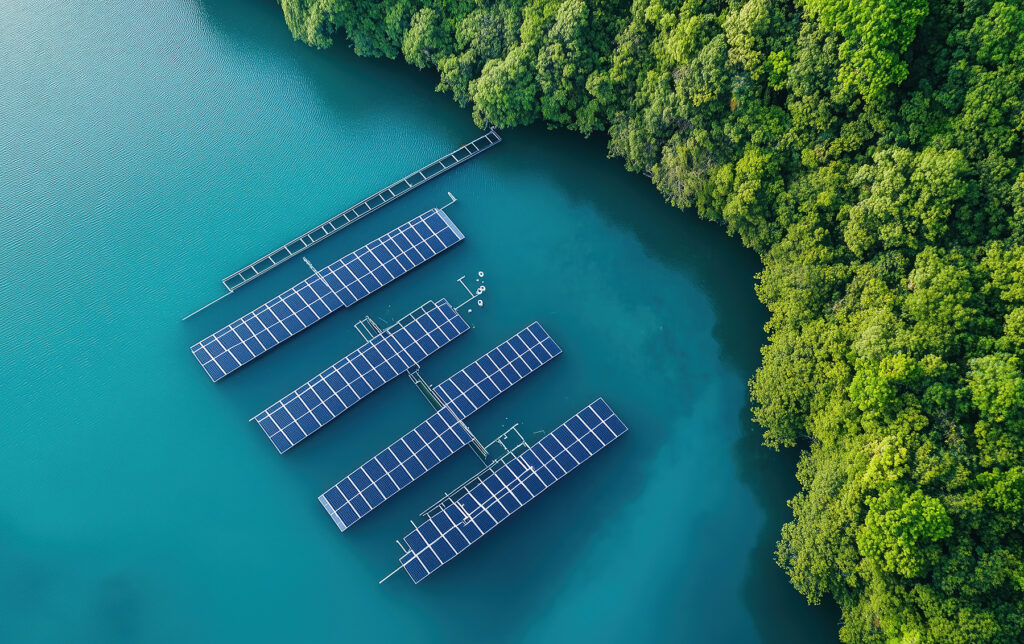
For investors with experience in utility-scale renewables or innovative solar technologies, floating photovoltaics in Seychelles represent a differentiated opportunity aligned with long-term national energy planning.
Beyond individual project economics, Seychelles offers a broader investment environment that enhances its appeal. The country consistently ranks among Africa’s top performers on governance, human development and ease of doing business indicators. It is the only country in Sub-Saharan Africa classified as high-income and benefits from a stable legal framework, strong institutions and an increasingly digitalised public sector.
Sustainable strategy
Crucially, renewable energy investments are embedded within Seychelles’ wider sustainable development strategy, as reflected in the UNDP-supported SDG Investor Map, which identifies market-ready investment opportunity areas aligned with national priorities.
Seychelles’ renewable energy sector stands out as a pragmatic and investable transition story.
The combination of clear demand, supportive regulation, proven business models and strong impact credentials makes the country an increasingly attractive destination for renewable energy capital.
For investors willing to engage early and partner with local stakeholders, Seychelles offers more than sun and sea – it offers a pathway to power a sustainable future while generating competitive returns.
