

McKinsey: FDI flows are “a window to what’s coming next” for the global economy
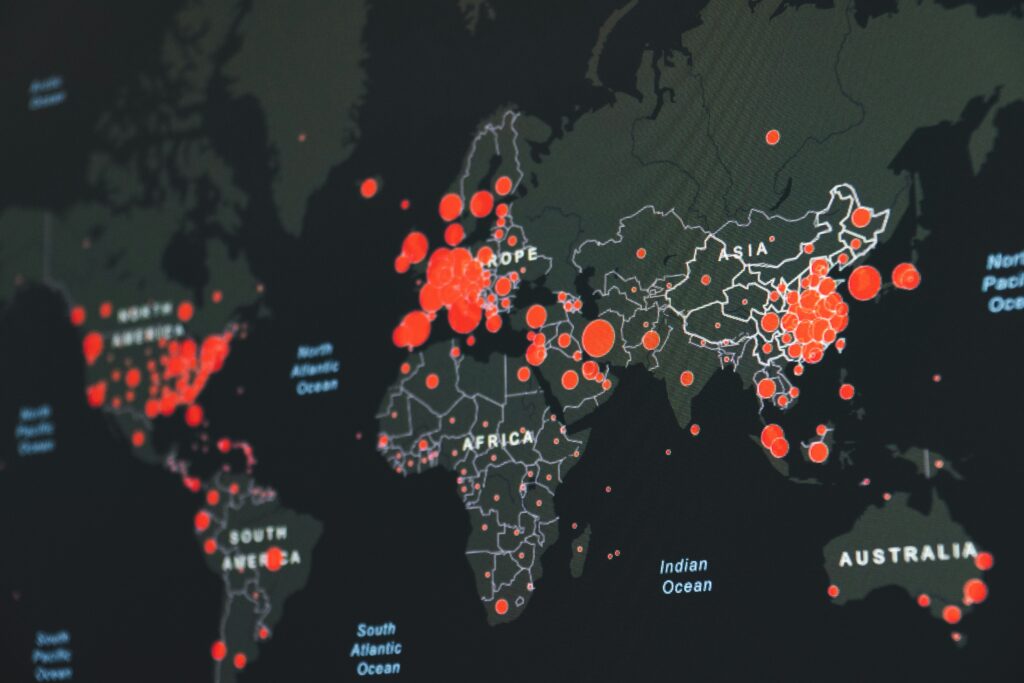
Foreign direct investment (FDI) is undergoing a profound transformation that is reshaping global industry and trade, according to new research from the McKinsey Global Institute.
The report finds that recent patterns in greenfield FDI are not just cyclical, but structural — offering what analysts describe as “a window to what’s coming next” for the global economy.
Based on analysis of around 200,000 cross-border investment announcements between 2015 and 2025, the study highlights a decisive shift in both where and how companies are investing.
A growing share of capital is now flowing into what McKinsey terms “future-shaping industries”, including advanced manufacturing, clean energy, semiconductors and digital infrastructure. Since 2022, around three-quarters of FDI announcements have been concentrated in these sectors, up significantly from pre-pandemic levels.
These investments are already beginning to redraw the industrial map. If realised, recent FDI commitments could more than quadruple battery manufacturing capacity outside China and significantly expand global data centre infrastructure supporting artificial intelligence.
At the same time, geopolitics is playing an increasingly important role in shaping investment decisions. Companies are reconfiguring their global footprints, favouring locations that are not only geographically but also “geopolitically closer” to key markets and partners.
This shift reflects a broader move towards resilience and security in global supply chains. As one McKinsey expert notes in the accompanying podcast, firms are increasingly “following the money” into locations that align with industrial policy, energy availability and strategic priorities.
The result is a more fragmented but also more intentional global investment landscape, where capital is concentrated in fewer, larger projects. Megadeals — often exceeding $1bn — are becoming more common, particularly in capital-intensive sectors such as clean energy and AI infrastructure.
For policymakers and investors, the implications are significant. FDI is no longer just a driver of growth, but a key mechanism through which countries position themselves in emerging industries.
As McKinsey concludes, understanding where investment is flowing, and why, has become essential to anticipating the future geography of production, trade and economic power.


